Non-genetic risk factors associated with glenohumeral osteoarthritis-related shoulder arthroplasty
Declared ties to: U.S. National Institutes of Health, Stryker, Shoulder Innovations and 7 more
Abstract
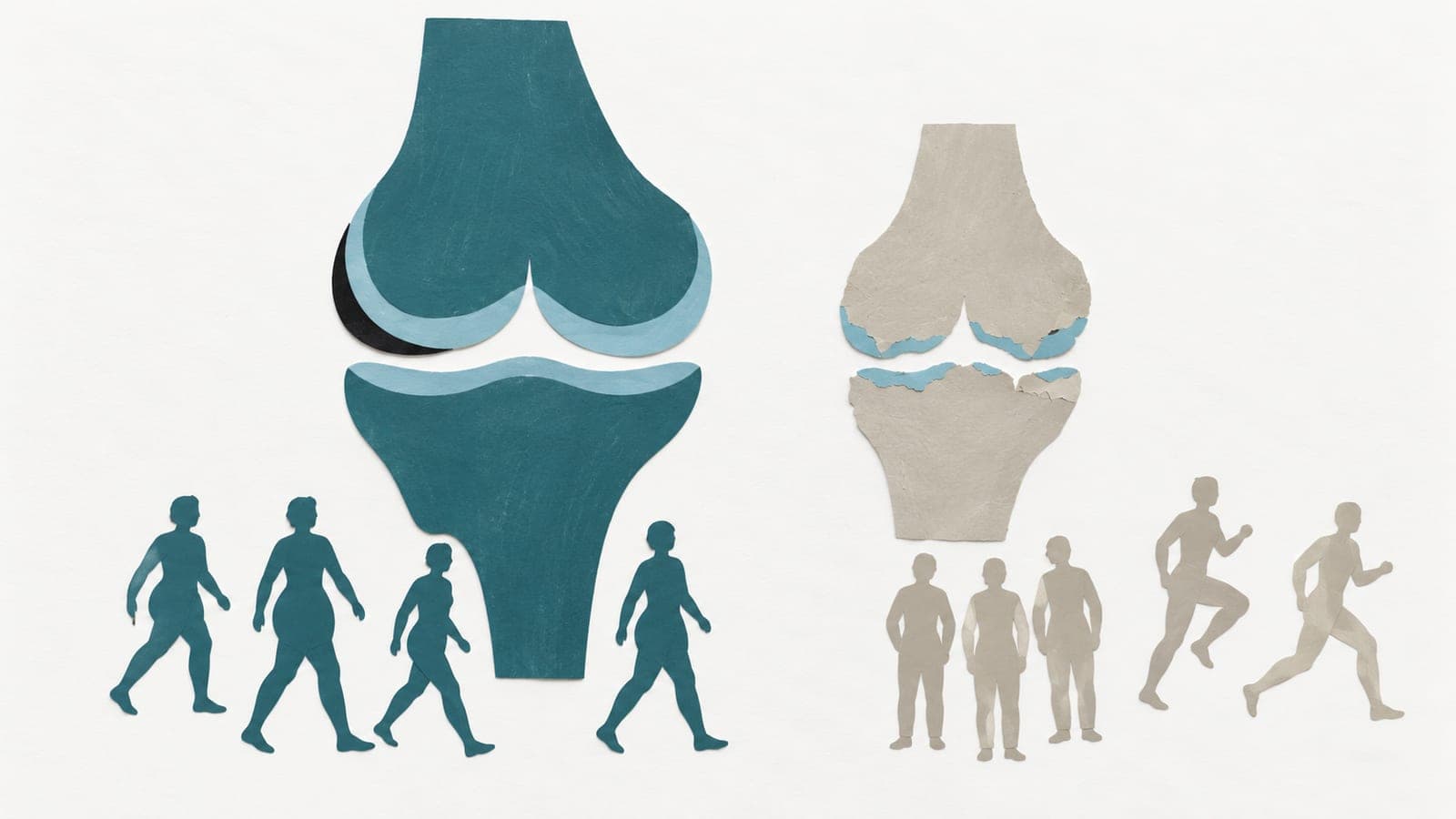
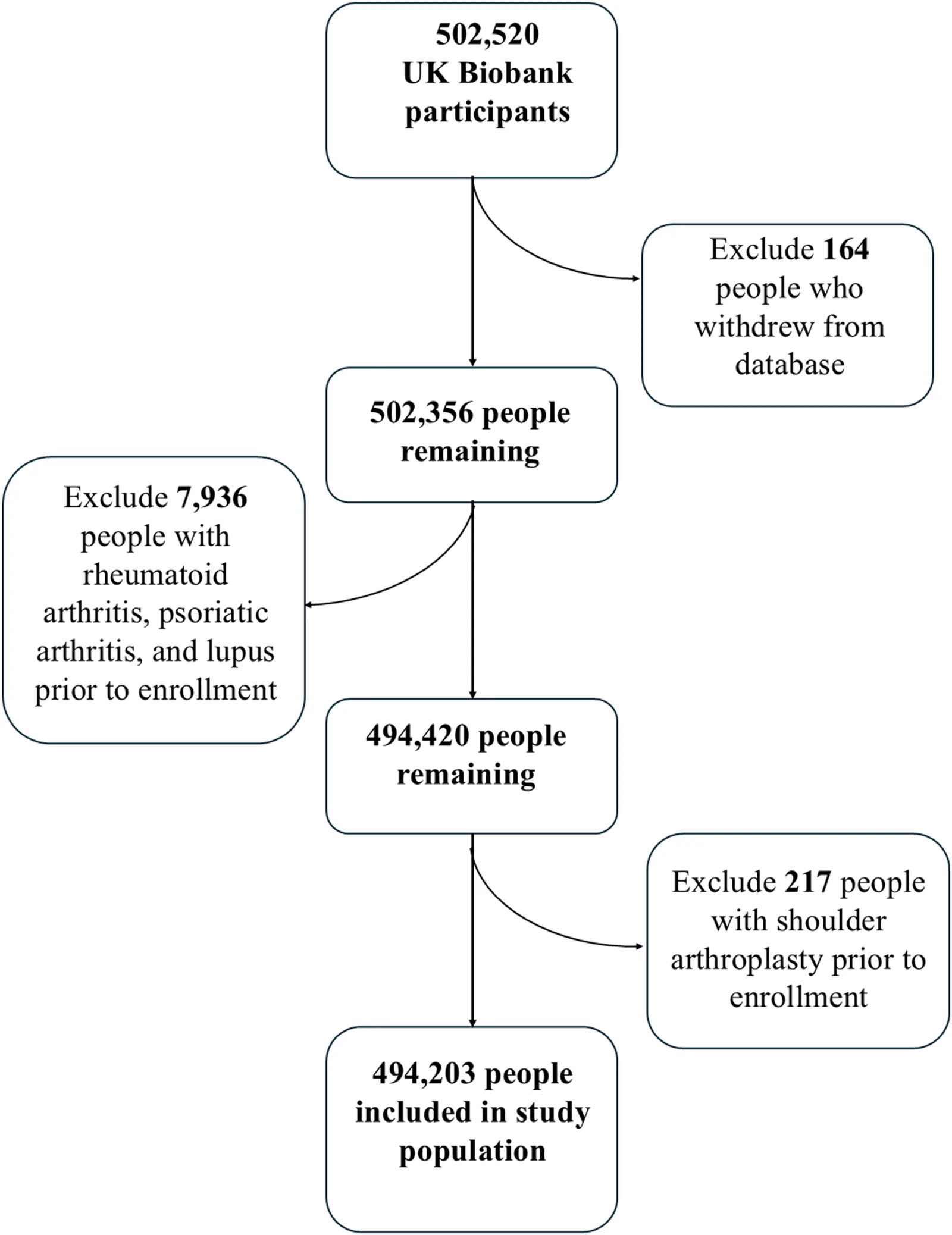
OBJECTIVE: Glenohumeral osteoarthritis (OA) is a leading cause of disabling shoulder pain, but little is known about glenohumeral OA risk factors. In the UK Biobank, we identified factors associated with OA-related shoulder arthroplasty (OA SA), as a measure of end-stage glenohumeral OA. DESIGN: The UK Biobank collects extensive baseline survey data and follow-up through linked hospital records. OA SA was defined as presence of a SA procedure code with an OA diagnosis. Associations between each potential risk factor and OA SA were estimated with multivariable Cox regression. Identified risk factors were also evaluated with OA-related THA/TKA to compare the magnitude of associations across joints. RESULTS: Among 494,203 people, there were 652 OA SA cases. Each decade increase in age was associated with more than twice the OA SA risk (Hazard ratio [HR] = 2.38, 95%CI = 2.04-2.76). Higher body mass index (BMI) was strongly associated with higher risk (HR for obese vs. healthy BMI = 3.08, 95%CI = 2.47-3.84). BMI associations were weaker for THA and stronger for TKA. OA SA risk increased consistently with increasing manual work frequency. Vigorous physical activity was only associated with elevated risk at the highest levels. The highest levels of manual work and physical activity were more strongly associated with OA SA than THA/TKA. CONCLUSIONS: Similar factors may drive OA in the shoulder as do the knee and hip, but the magnitude of associations differed by joint. Importantly, some of these factors could be amenable to intervention, such as better job design to reduce upper extremity burdens and weight loss programs to reduce obesity.
The paper
Washington University in St. Louis
Osteoarthritis and Cartilage Open, 22 Aug 2026