High-intensity interval training via electrical stimulation enhances endurance by preserving sarcoplasmic reticulum Ca²⁺ transients in mouse skeletal muscle
Abstract
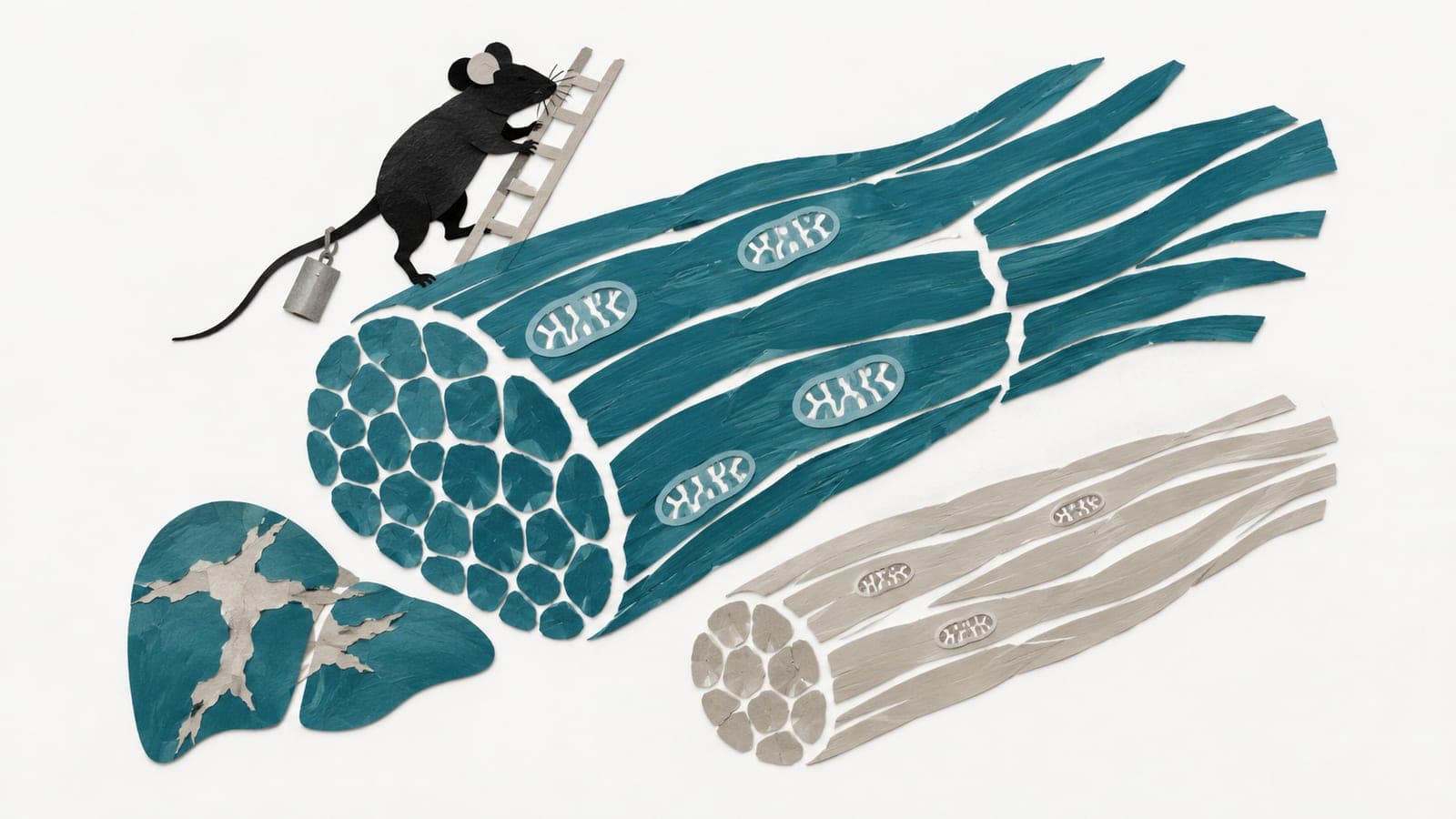
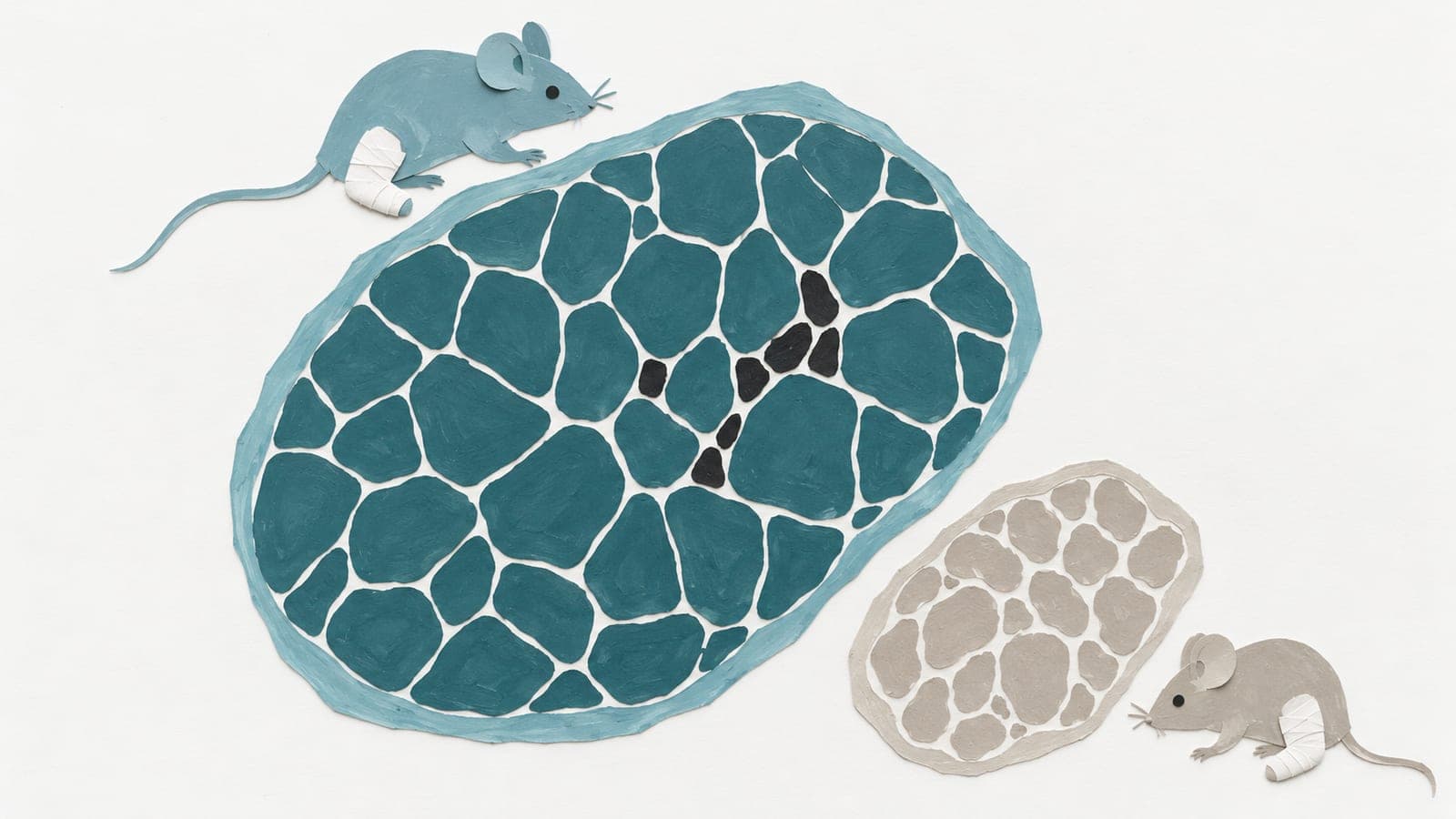
This study investigated the effects of high-intensity interval training (HIIT) or low-intensity interval training (LIIT) via electrical stimulation (ES) on muscle performance, specifically focusing on fatigue resistance and cytoplasmic-free calcium ([Ca²⁺]i) dynamics in mouse skeletal muscle. Thirty female C57BL6 mice (9 wk old) underwent 4 wk of involuntary interval training with electrical stimulation (IT-ES) in hindlimb plantar flexor muscles in vivo, with stimulation frequencies set at either 20 Hz (LIIT) or 100 Hz (HIIT). Our results showed that IT-ES significantly enhanced fatigue resistance, particularly with HIIT, evidenced by improved muscle torque output and better preservation of tetanic [Ca²⁺]i levels during repeated contractions. In addition, IT-ES led to increases in sarcoplasmic reticulum (SR) Ca²⁺-handling proteins, such as SR Ca²⁺ ATPase 1 (SERCA1) and the ryanodine receptor 1 (RyR1), as well as mitochondrial respiratory complex proteins, indicating enhanced metabolic adaptations. The results suggest that HIIT-ES is an effective intervention for improving muscle function, intracellular Ca²⁺ management, and mitochondrial content, providing a foundation for future consideration in rehabilitation and clinical settings.NEW & NOTEWORTHY We show that 4 wk of high-intensity interval training (HIIT) or low-intensity interval training (LIIT) via electrical stimulation (ES) improves fatigue resistance in mice via enhanced sarcoplasmic reticulum (SR) Ca²⁺ transients and increased mitochondrial complex protein content. This study demonstrates the mechanisms by which fatigue resistance is improved with chronic electrical stimulation interval training exercise.
The paper
York University
American Journal of Physiology Cell Physiology, 3 Sep 2026, Open access