Calcium overload impairs muscle regeneration by driving sustained NFAT signaling
Inhibiting NFAT restored myoblast differentiation in culture and improved myofiber repair in injured mice.
Experimental & Molecular Medicine
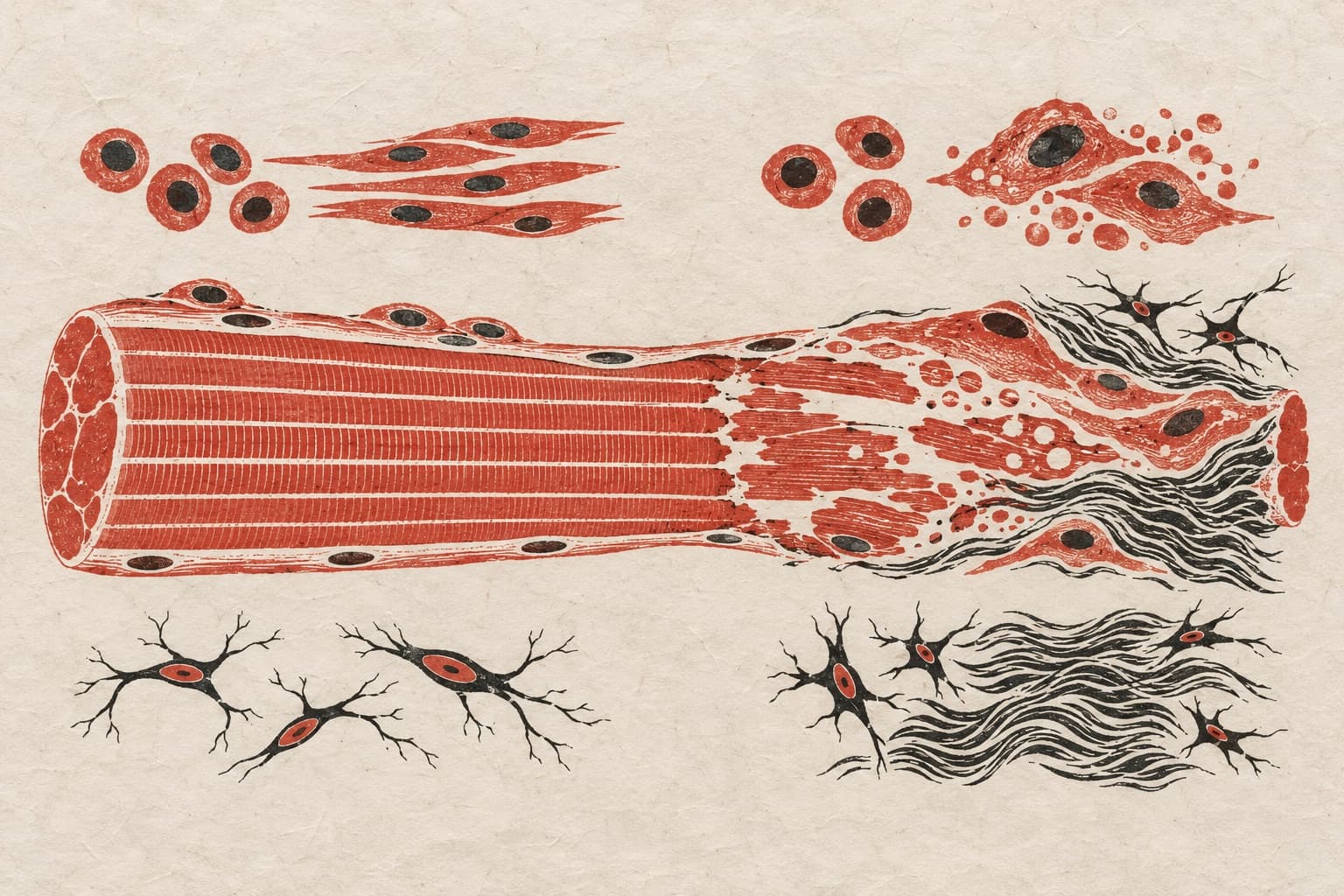
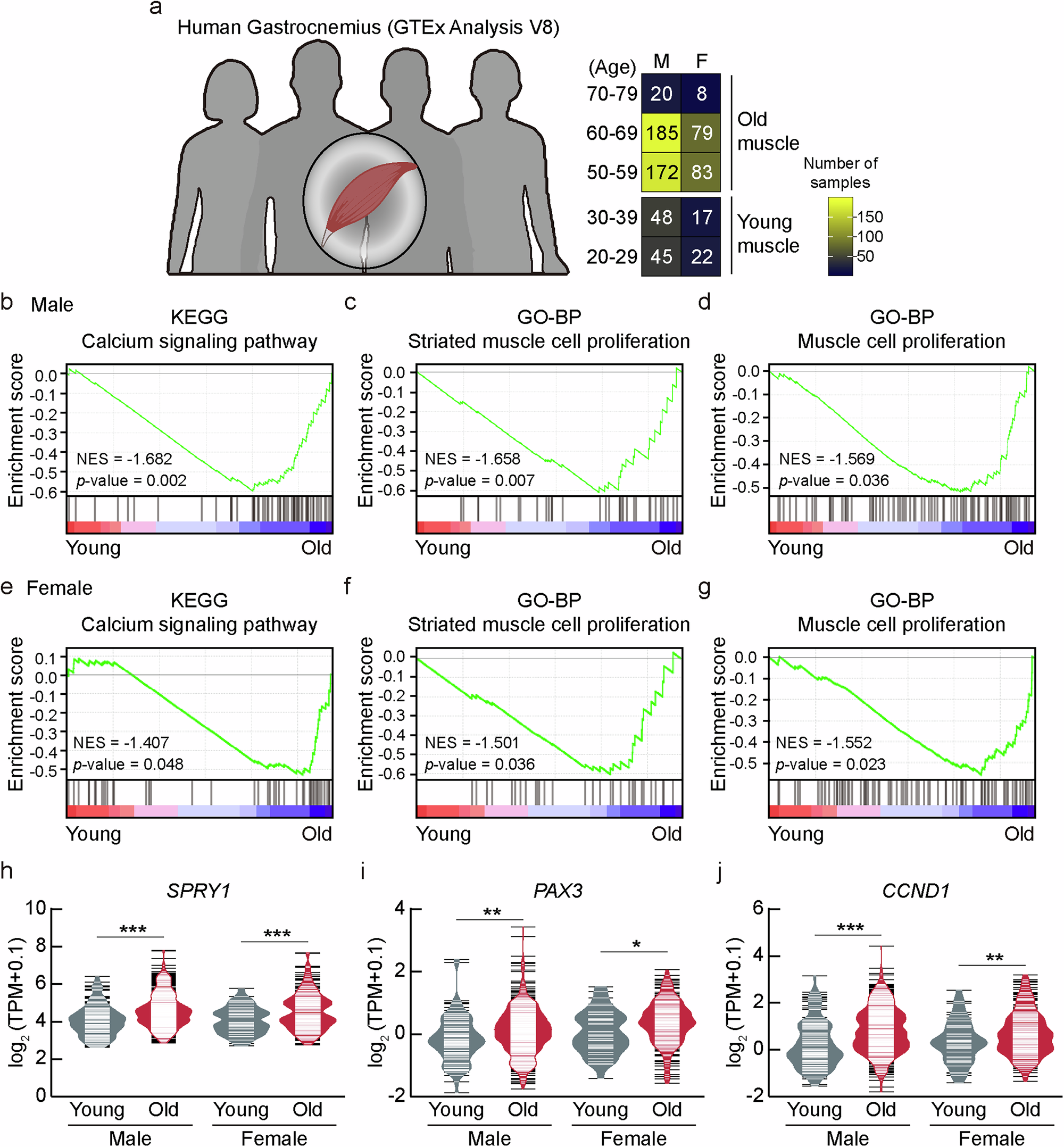
In experiments using cultured myoblasts, mice, and human tissues, researchers investigated how calcium overload hinders skeletal muscle regeneration. Transcriptomic analysis of aged human muscle showed simultaneous activation of calcium signaling and proliferative pathways. In cultured myoblasts, excess calcium maintained proliferation under differentiation conditions, lowered myogenic markers, drove NFATc1 into the nucleus, and upregulated Ccnd1 expression. Ovariectomized mice and human calcific tendinitis samples displayed similar NFAT-associated proliferative signatures. Delivering the NFAT inhibitor VIVIT prevented NFATc1 nuclear buildup, rescued myotube formation in vitro, and promoted myofiber maturation in an in vivo mouse injury model.
Why it matters
Calcium dysregulation is a frequent feature of aging muscle weakness. Identifying this NFAT-driven pathway explains how altered calcium levels trap myoblasts in a proliferative state and block normal tissue repair.
Caveats
Key mechanistic findings were established in cell cultures and mouse models, meaning targeted NFAT inhibition requires further testing to determine its safety and efficacy in aged humans.
The paper
Chungnam National University
Experimental & Molecular Medicine · 2 Oct 2026