From kidney to liver: Are sodium-glucose cotransporter-2 inhibitors emerging as metabolic disease modifiers?
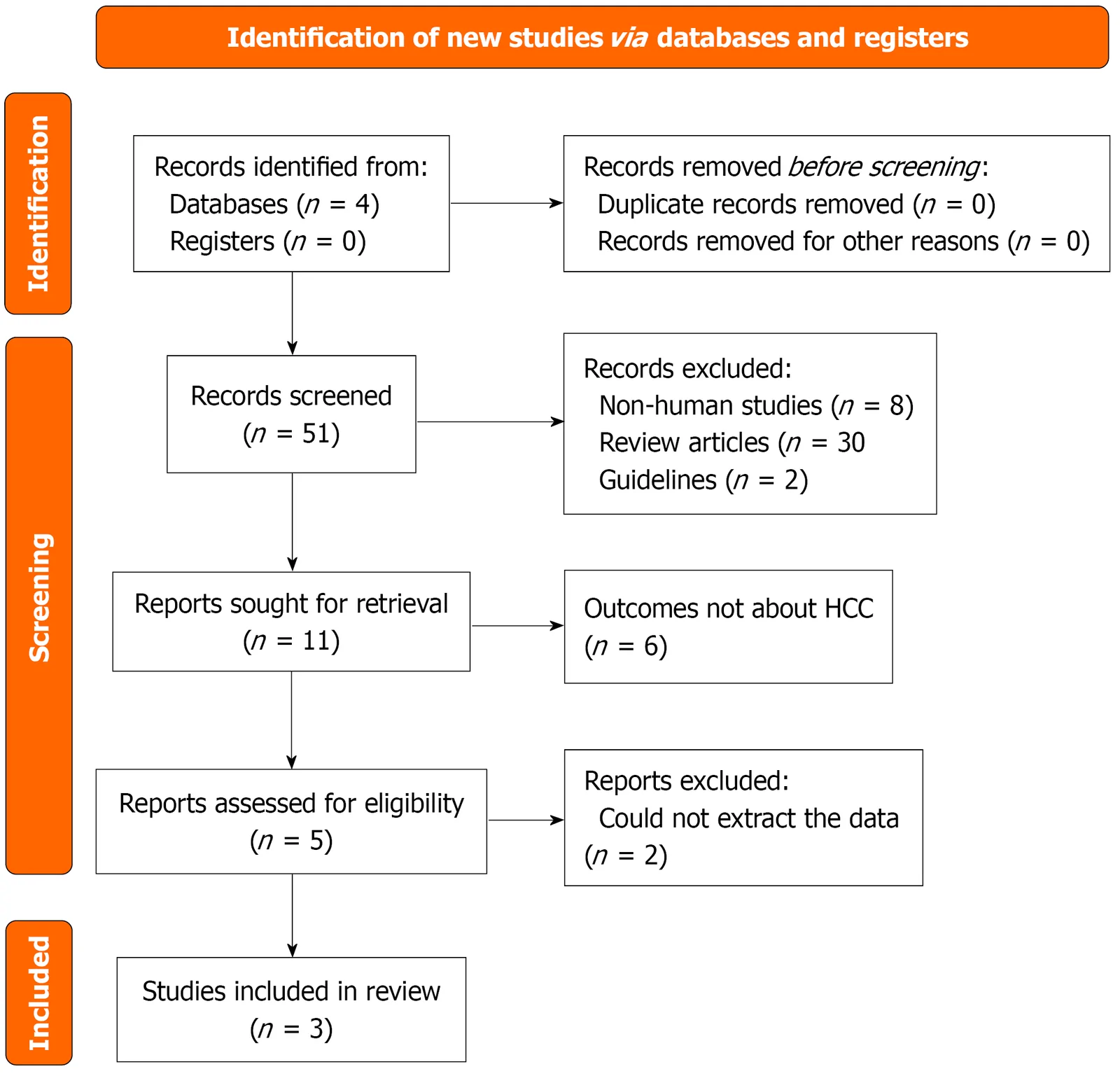
352,890 individuals
Abstract
BACKGROUND: Sodium-glucose cotransporter-2 (SGLT2) inhibitors are increasingly recognized for benefits beyond glycaemic control, with established roles in renal and cardiovascular protection. In diabetic kidney disease (DKD), dapagliflozin-based strategies target persistent proteinuria, while emerging data suggest potential effects on hepatic outcomes, including hepatocellular carcinoma (HCC), in metabolic dysfunction-associated steatotic liver disease (MASLD). AIM: To evaluate the association between SGLT2 inhibitor use and HCC incidence in MASLD. METHODS: A systematic review and meta-analysis was conducted following PRISMA 2020 guidelines and registered in PROSPERO (CRD1003646). Studies including adults with MASLD comparing SGLT2 inhibitors with other oral hypoglycemic agents and reporting HCC incidence were identified through searches of PubMed, EMBASE, Scopus, and Web of Science up to April 12, 2025. Pooled risk ratios (RRs) were calculated using a random-effects model, and heterogeneity was assessed using the I ² statistic. RESULTS: Three retrospective cohort studies comprising 352890 individuals with MASLD were included. SGLT2 inhibitor use was associated with a significantly lower risk of HCC (RR = 0.60, 95%CI: 0.52-0.70; P < 0.0001), corresponding to an approximate 40% relative risk reduction, with low heterogeneity (I ² = 14.1%). Sensitivity analyses yielded consistent results. CONCLUSION: SGLT2 inhibitor use is associated with a reduced incidence of HCC in MASLD, although findings are derived from observational data. These results, together with established renal and cardiovascular benefits, support a broader role for SGLT2 inhibitors as modifiers of metabolic disease across organ systems.
From the paper
- Participants
… encompassing a total of 352890 individuals with MASLD, of whom 131282 were exposed to SGLT2 inhibitors and 221608 received alternative oral hypoglycemic therapies.
- Result
… with a pooled RR of 0.60 (95%CI: 0.52-0.70; P < 0.0001), corresponding to an approximate 40% relative risk reduction and accompanied by low statistical heterogeneity (I² = 14.1%), supporting internal consistency across populations.
- Harms
… encompassing a total of 352890 individuals with MASLD, of whom 131282 were exposed to SGLT2 inhibitors and 221608 received alternative oral hypoglycemic therapies.
Quoted word for word from the full text on PubMed Central.
- SGLT2 inhibitors
- SLC5A2
- Metabolic dysfunction-associated steatotic liver disease
- Hepatocellular carcinoma
- Proteinuria
- Humans
The paper
University of South Wales
World Journal of Nephrology, 21 Aug 2026, Open access