Drug reduces frailty and improves performance in aged mice
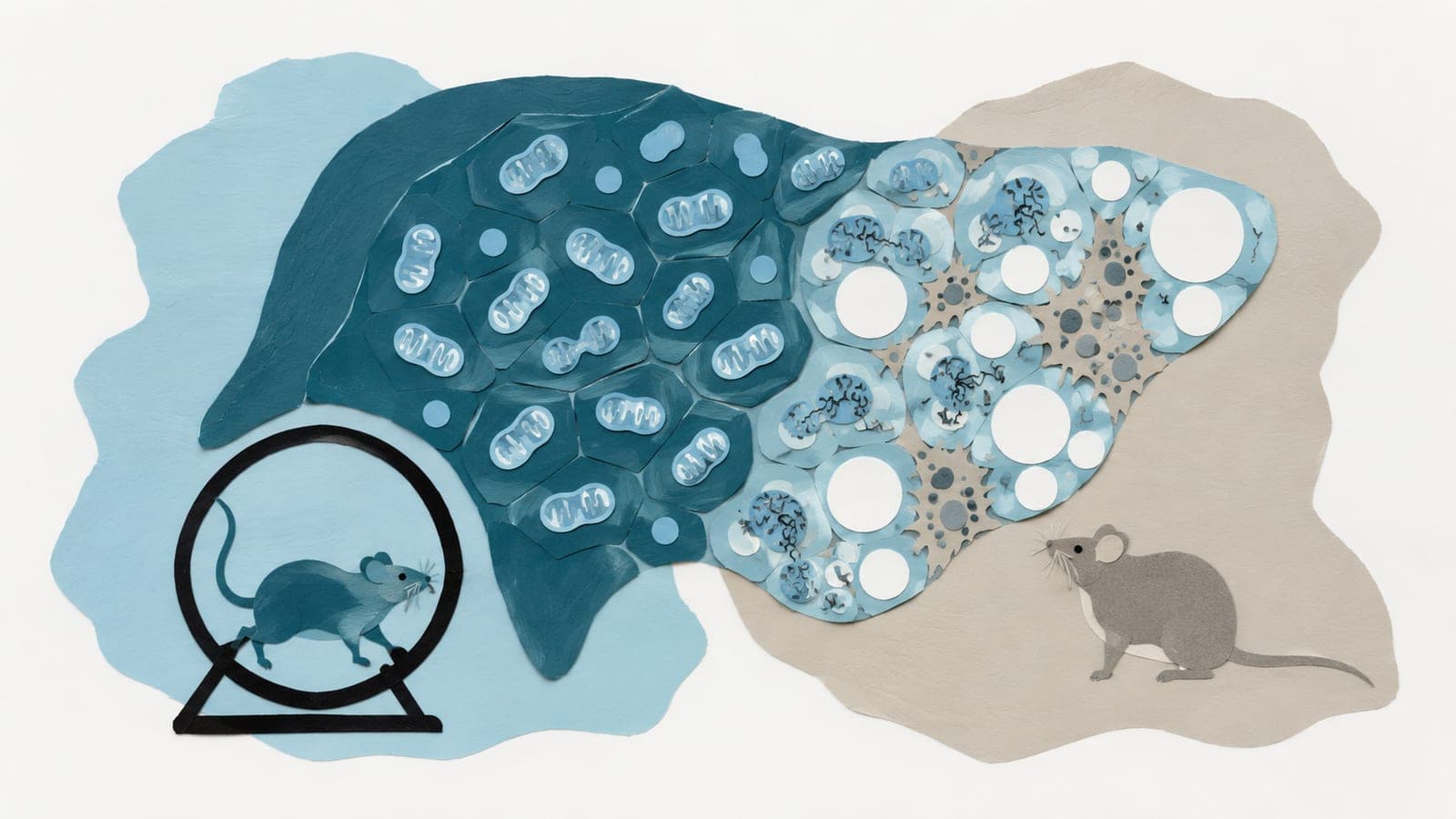
In animal experiments, palbociclib also reduced DNA damage and the activity of inflammation-related genes in aged mouse livers.
Our read
Mechanisms- Studied:
- Experiments in aged mice
- What changed:
- Aged mice given palbociclib had less frailty and better physical performance
- The catch:
- The abstract does not give palbociclib dose or treatment duration
- In the record:
- One of 18 papers on palbociclib on record: 3 with results in people, 6 in animals.
Editor of record: Boris Djordjevic · AgingResearch.News
Aged mice given palbociclib, a drug that blocks two proteins involved in cell division, had less frailty and better physical performance in animal experiments. The drug also reduced DNA damage and the activity of genes involved in inflammatory responses in aged mouse livers.
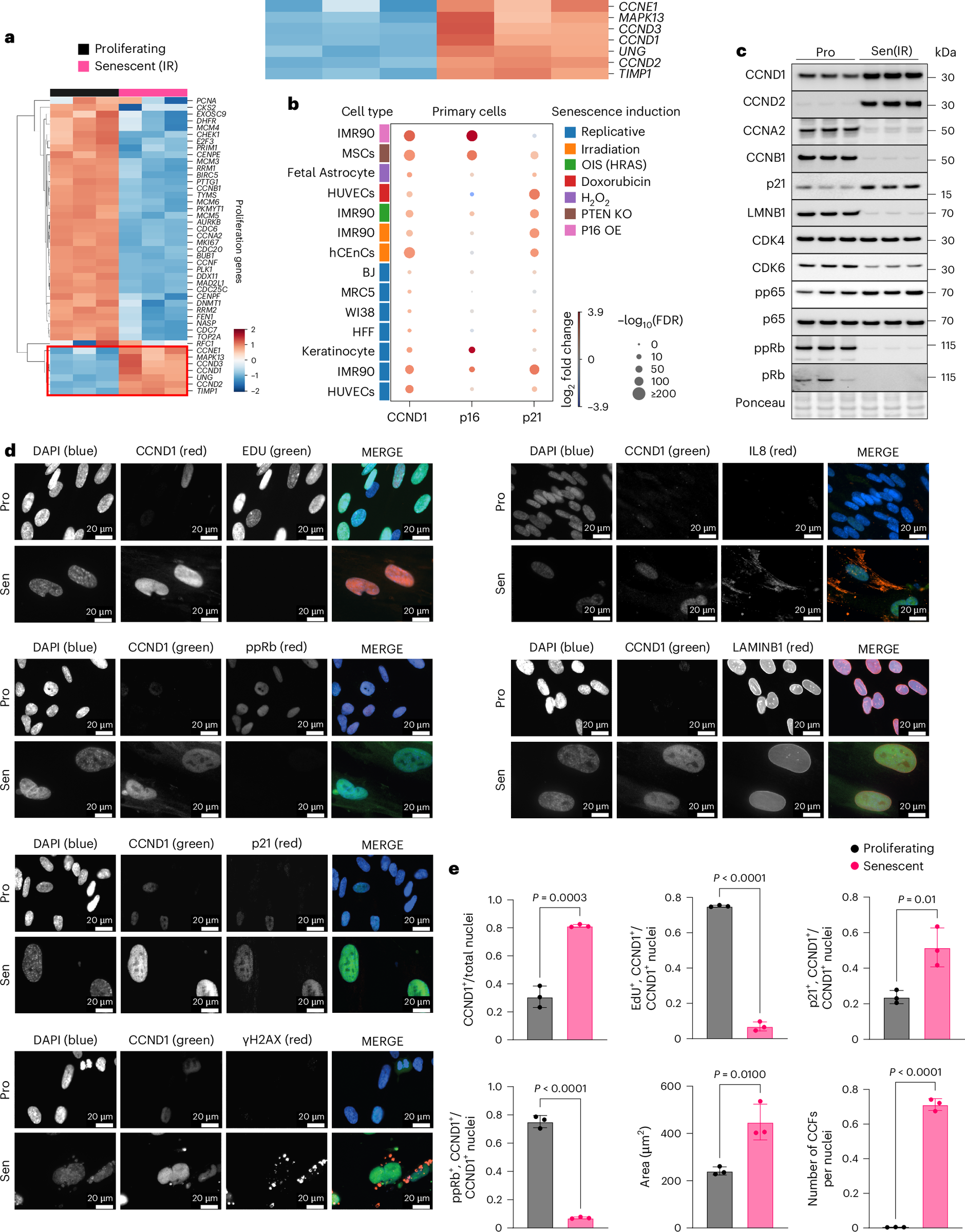
The gene for cyclin D1, a protein that helps control cell division, had higher activity in senescent liver cells—cells that had stopped dividing. Removing this gene specifically from liver cells also reduced DNA damage and inflammatory gene activity in aged mouse livers. In experiments with senescent cells, cyclin D1 and its partner CDK6, another protein involved in cell division, promoted DNA damage. This led to DNA fragments outside the cell nucleus that activated inflammatory signaling.
Why it matters
Senescent cells contribute to chronic inflammation during aging. The authors identify proteins that control cell division as promising targets for repurposing drugs against age-related functional decline.
Caveats
The findings came from aged mice and experiments with senescent cells, not tests in people. The abstract does not give mouse group sizes or the dose and duration of palbociclib treatment.
The paper
Sanford Burnham Prebys Medical Discovery Institute
Nature Aging, Aug 20, 2026, Open access, accepted manuscript
Comments
Be the first to comment.