Lymphatic CD49a is a driver of meningeal immune aging and cognitive decline
Abstract
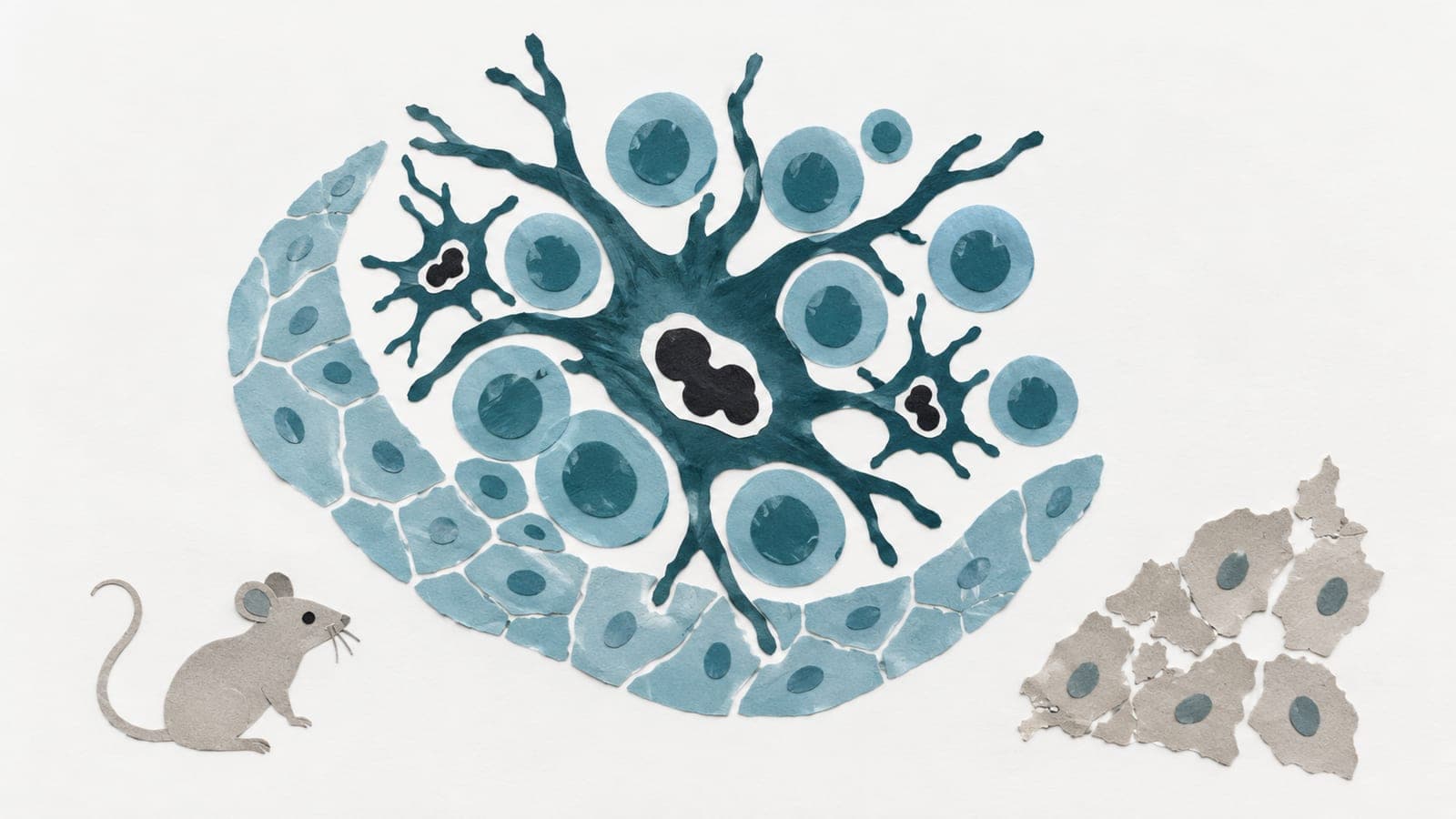
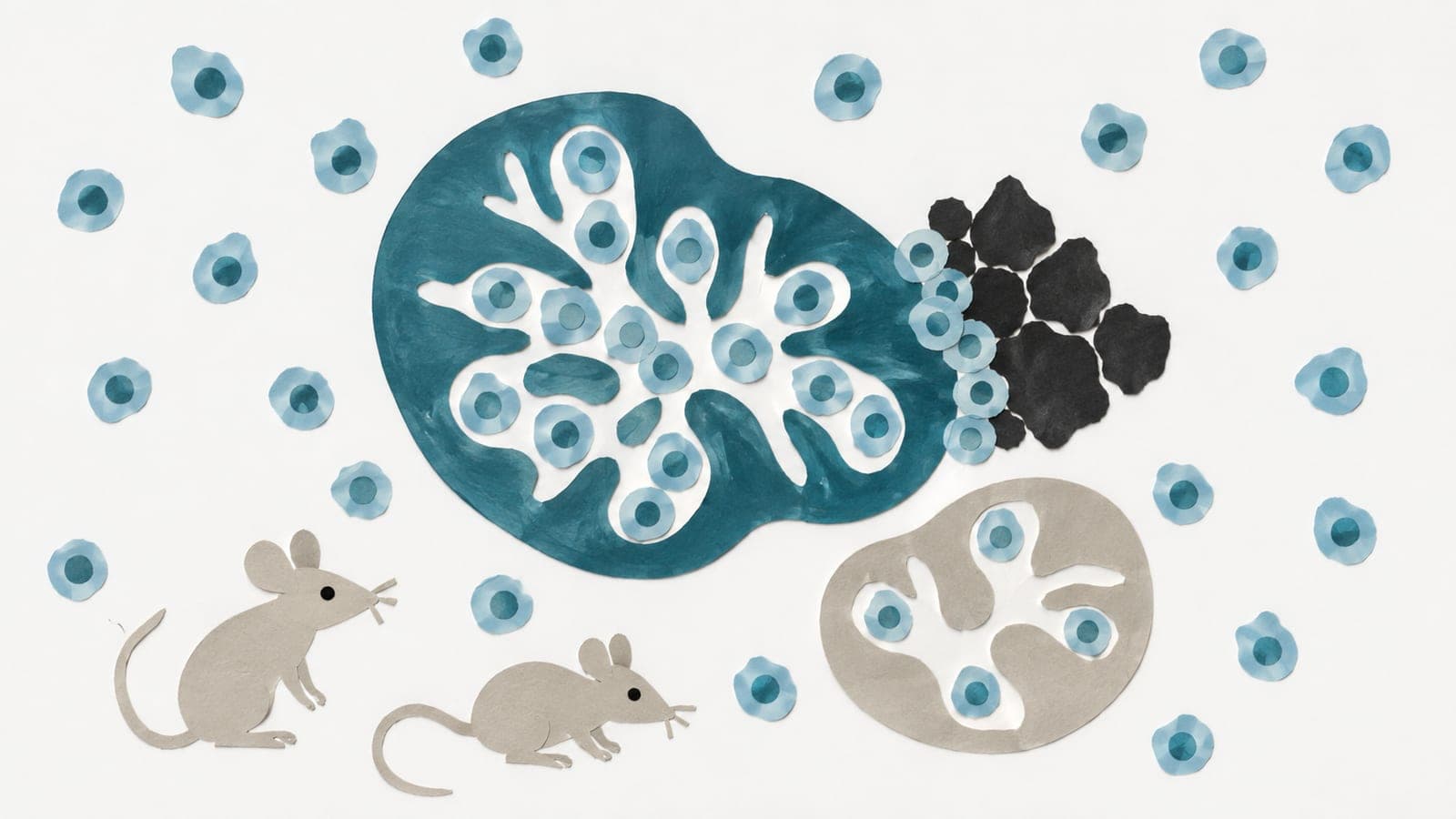
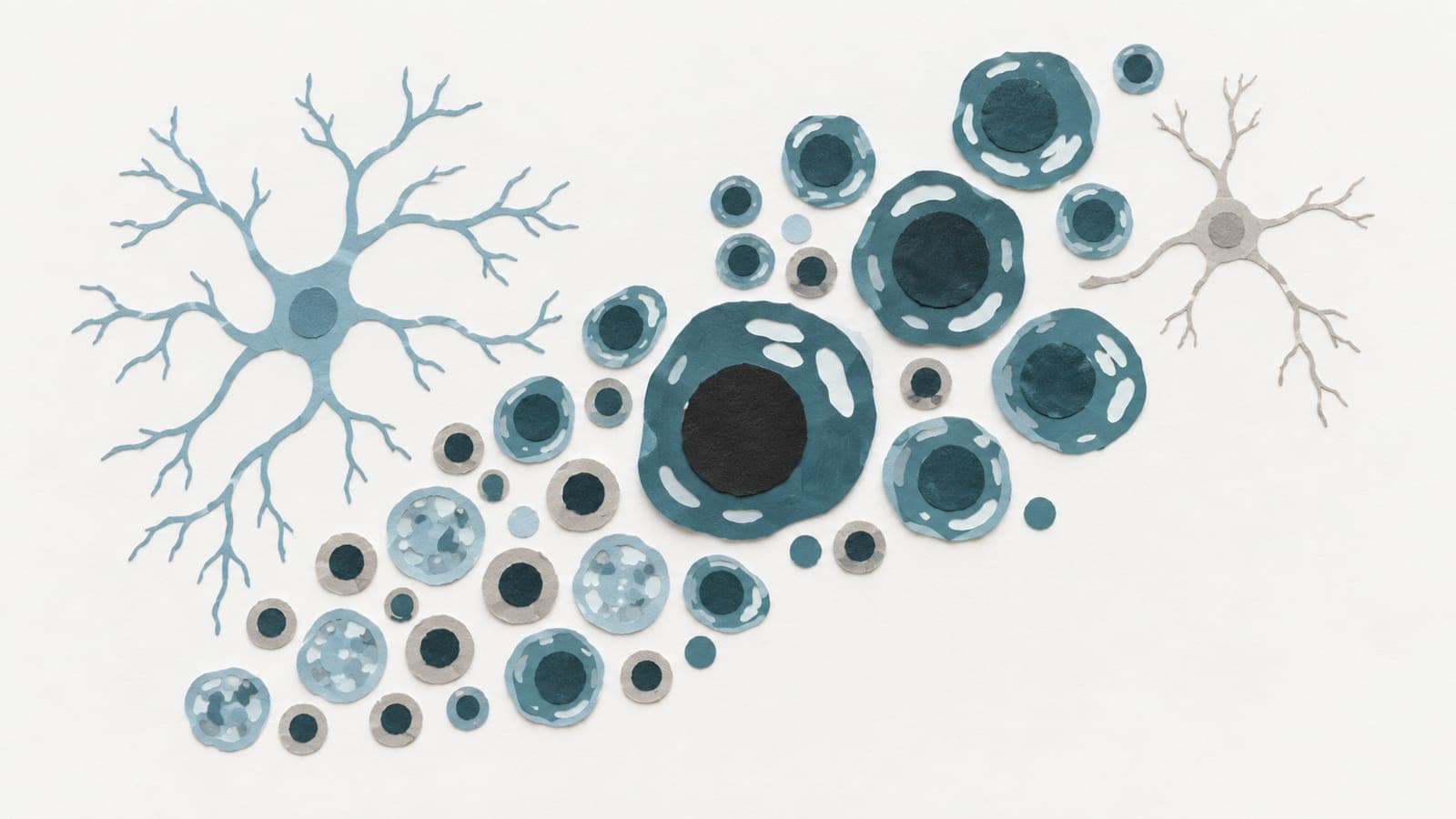
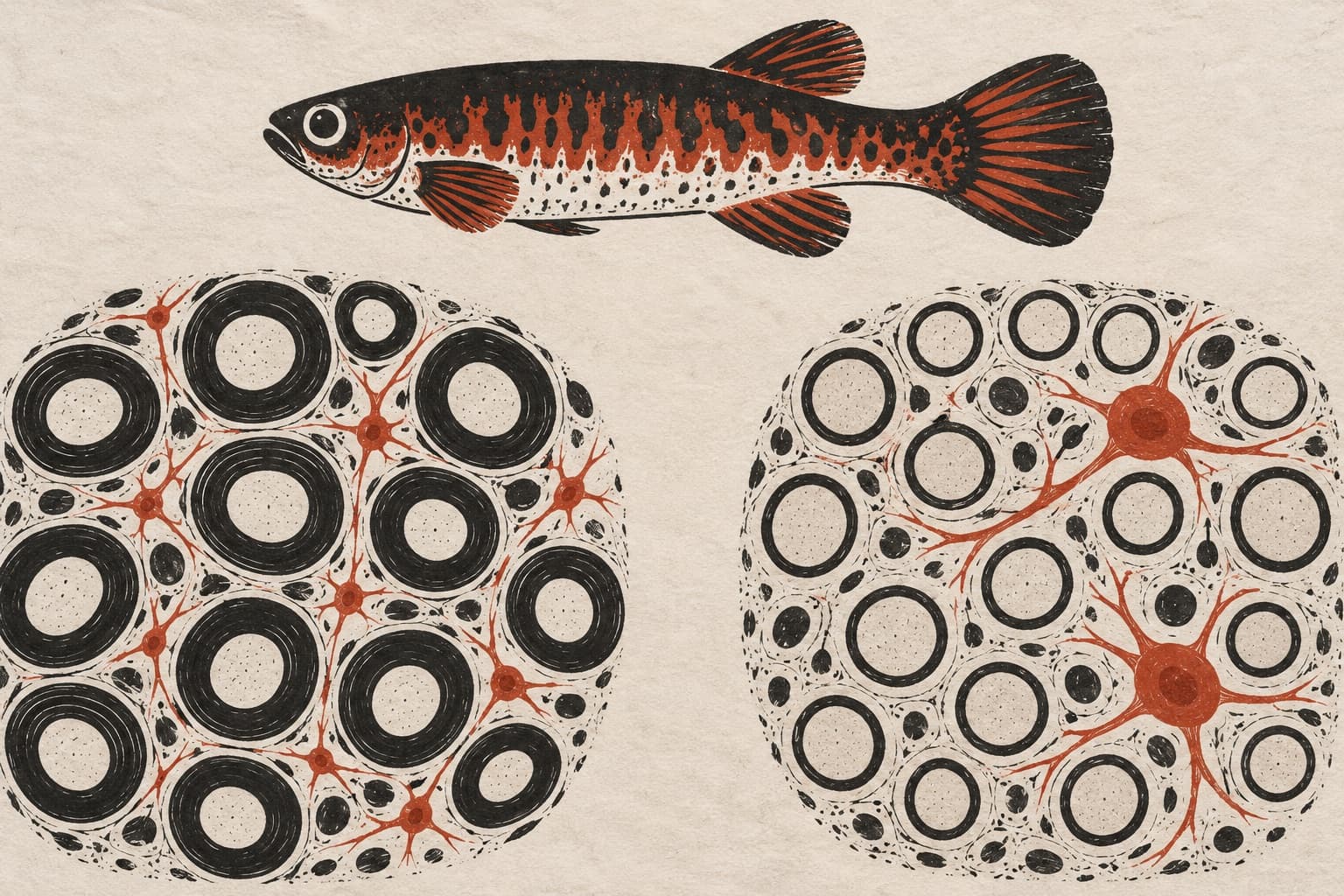
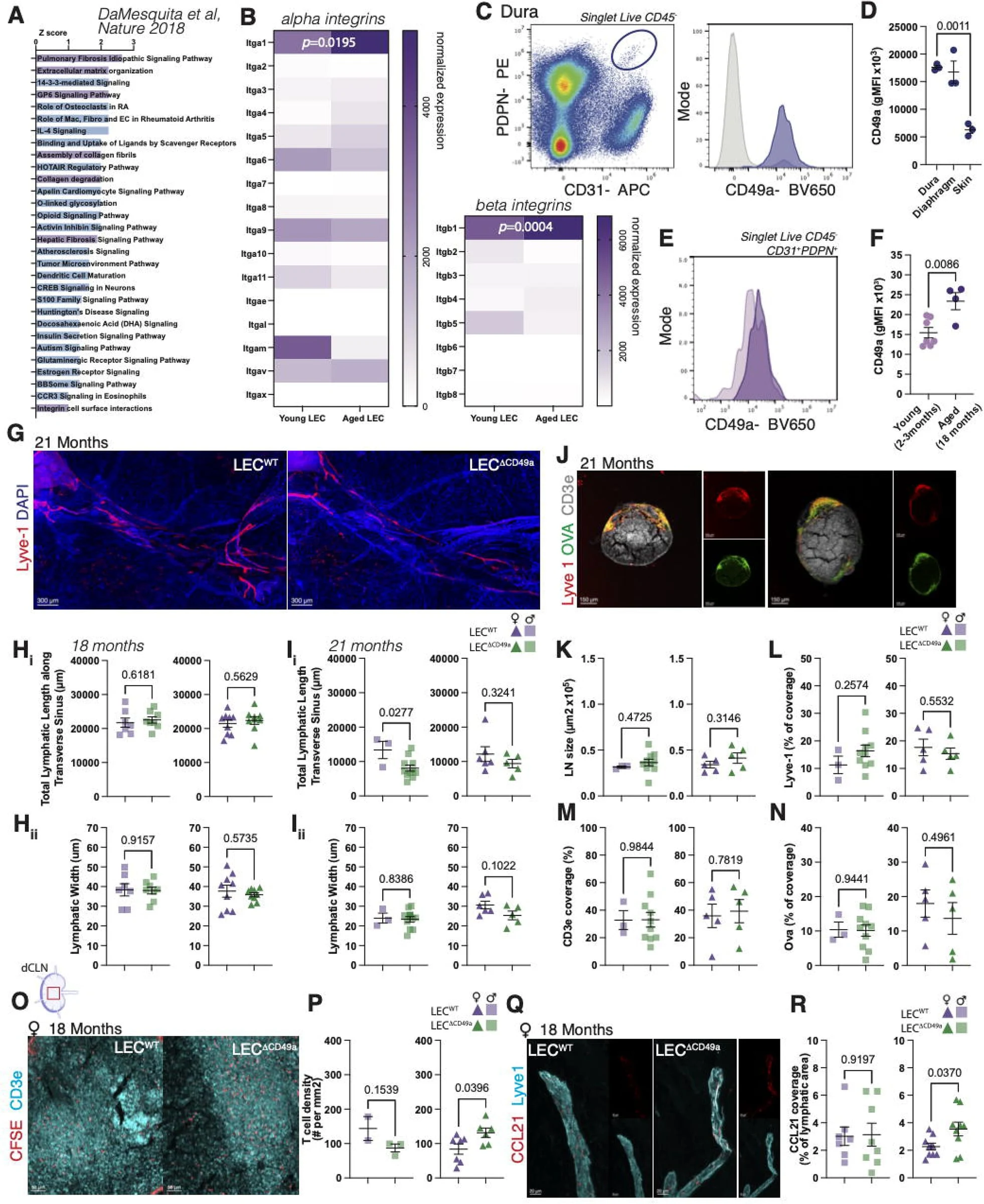
Aging is associated with progressive accumulation and dysregulation of dural immune cells, coinciding with impaired CSF drainage and lymphatic function. Prior work has shown that improving lymphatic function in aged mice is sufficient to ameliorate age-associated cognitive decline, and that local immune cells can directly regulate lymphatic draining function. Yet, the endothelial-intrinsic mechanisms driving lymphatic dysfunction remain unclear. Here we found that the integrin CD49a is upregulated in aged lymphatic endothelial cells and regulates CCL21 release. Accordingly, genetic deletion of CD49a in lymphatic endothelial cells broadly reverses age-associated immune dysfunction across dural myeloid, lymphoid and dendritic cell compartments, limits glial aging, and mitigates cognitive and social behavioral deficits, thereby revealing a targetable endothelial-intrinsic mechanism of lymphatic aging.
The paper
Cleveland Clinic
bioRxiv, 9 Aug 2026, Preprint, not peer-reviewed