Early Detection of Glaucoma and Diabetic Retinopathy in Low-Resource Settings: Barriers and Solutions
Abstract
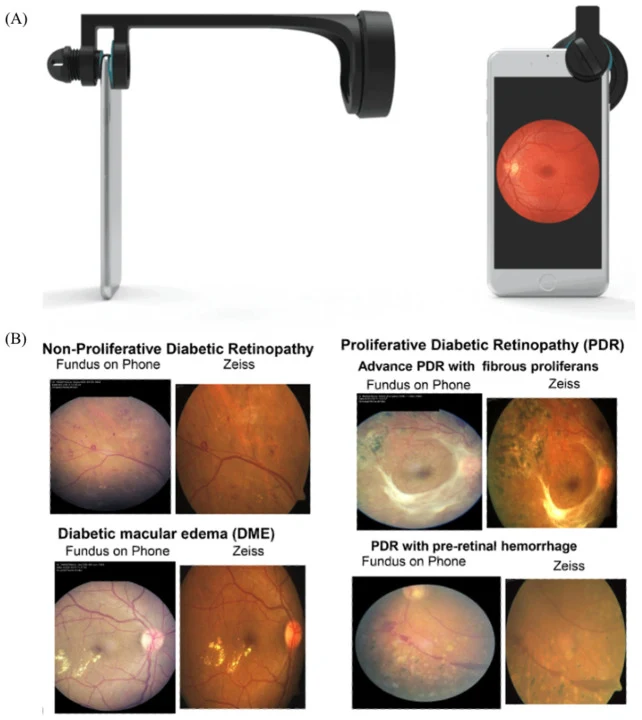
Diabetic retinopathy (DR) and glaucoma, globally leading causes of irreversible blindness, can be detected and managed early with timely screening. In low-resource settings, access to ophthalmological examination is limited by a variety of constraints, including scarcity of specialists, equipment costs, geographic distance from care centers, and limited patient awareness. This narrative review examines the principal barriers to early detection of glaucoma and DR and evaluates evidence-based strategies to overcome them, including low-cost portable ophthalmic testing tools, artificial intelligence (AI) analytics, risk-based resource allocation, teleophthalmology, and targeted patient education. In different populations, these strategies have been shown to meaningfully increase access to ophthalmologic screening and follow-up at a significantly lower cost. We describe these approaches, demonstrate previously successful initiatives, and propose various combined approaches adapted to the specific needs of the various low-resource settings.
The paper
The University of Texas at Austin
Journal of Clinical Medicine, 25 Jul 2026, Open access