Severe tooth loss linked to glaucoma in Korean adults
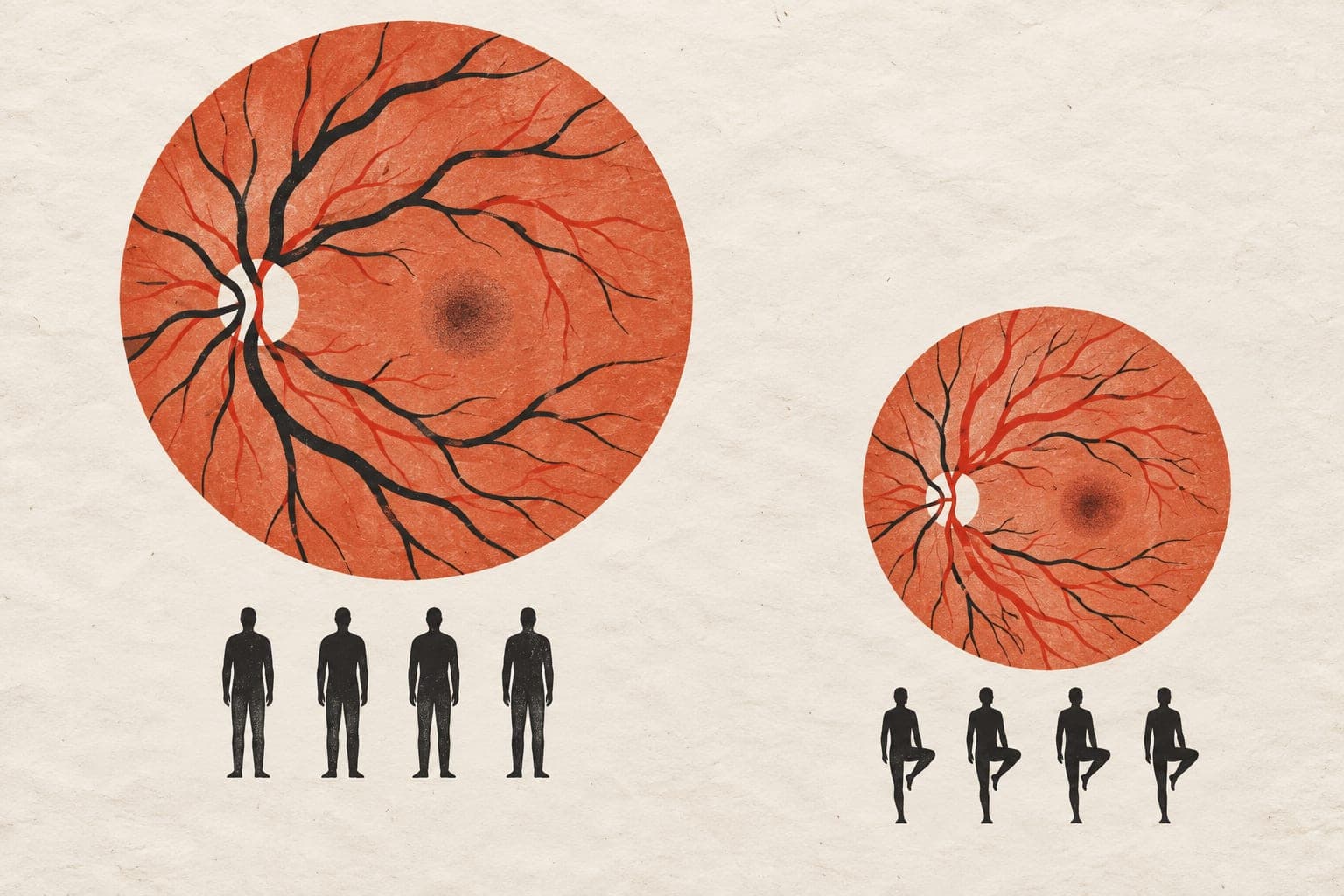
Adults missing 22–28 teeth had 1.92 times the odds of glaucoma compared with those missing none in a population-based observational study.
Journal of Glaucoma
An observational study examined tooth loss and eye health in 11,004 Korean adults aged 40 or older. Researchers analysed data from the Korea National Health and Nutrition Examination Survey for 2019–2021. They grouped participants by teeth lost and accounted for other factors that could influence the results.
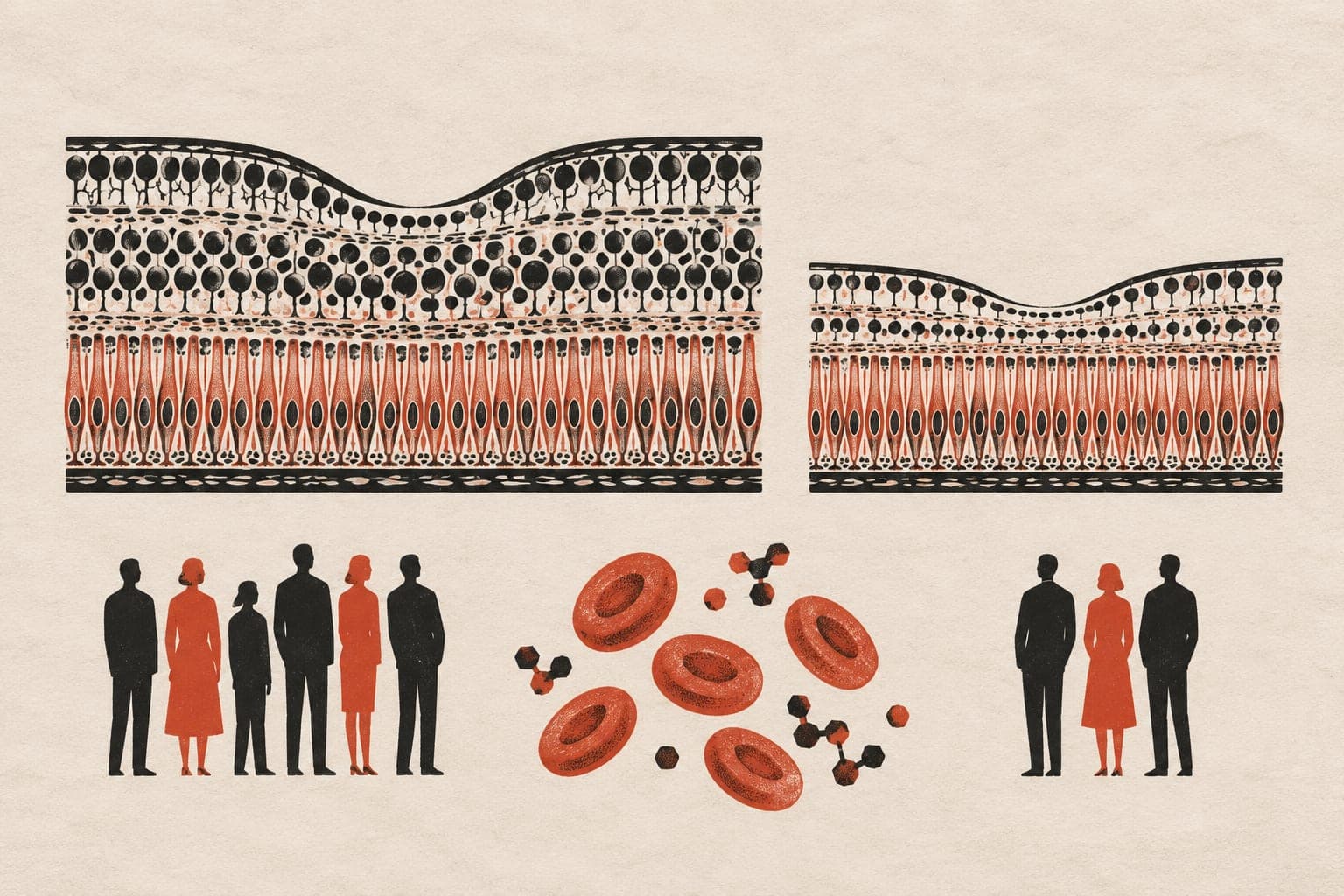
In the full population, people missing 22–28 teeth had higher odds of glaucoma than those missing none. Glaucoma damages the nerve carrying visual signals from the eye to the brain. In a separate analysis of 7,289 participants without eye diseases, missing 22–28 teeth was associated with a 2.87-micrometre thinner layer containing nerve cells and their connections, compared with missing none. This layer lies in the retina, the light-sensitive tissue at the back of the eye.
Why it matters
Glaucoma threatens sight in later life. These associations suggest that oral and eye health may warrant studying together in aging populations.
Caveats
The observational design cannot establish that tooth loss caused retinal thinning or glaucoma. The findings concern existing glaucoma, not the likelihood of developing it later.
The paper
Seoul National University College of Medicine
Journal of Glaucoma · 28 Sep 2026