Timing of food intake impacts cardiovascular and neuroendocrine physiology and risk of disease
Abstract
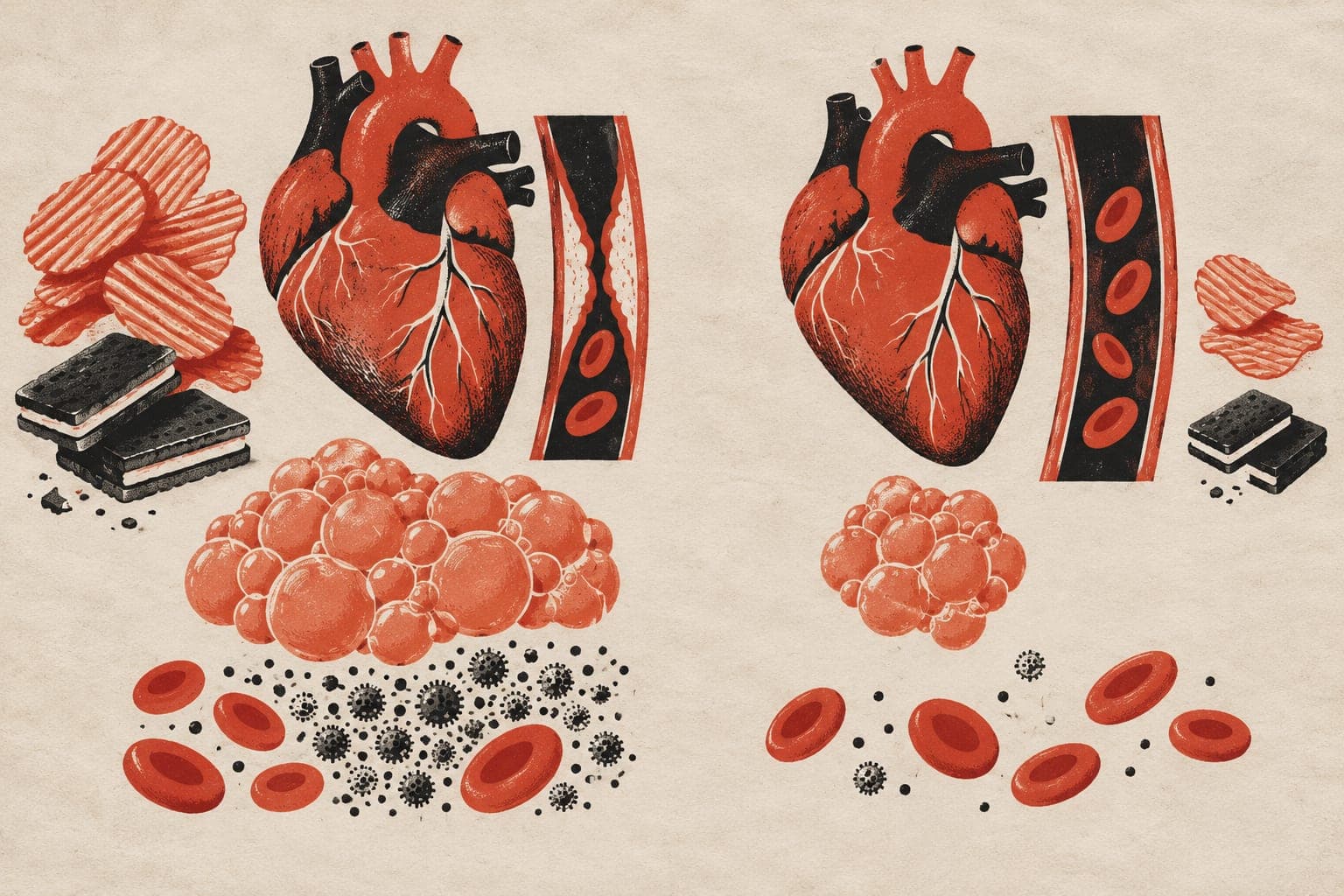
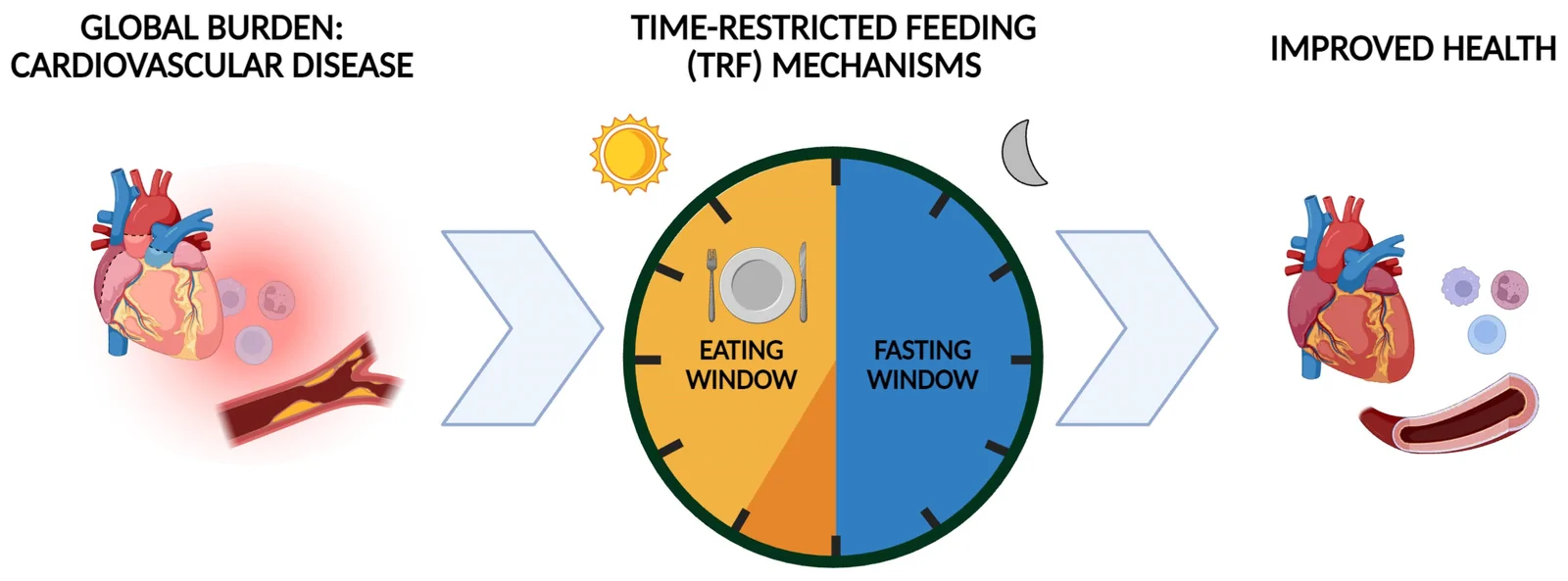
Despite many advances in the last 75 years in the fight against cardiovascular disease mortality, it remains the leading cause of death worldwide. Despite improved therapeutic approaches, cardiovascular disease remains the leading cause of death worldwide. Mounting evidence suggests that restricting food intake to a limited period in the day or extending periods of fasting may be a lifestyle intervention that reduces progression of cardiovascular disease. Various protocols for time-restricted feeding paradigms suggest significant benefits throughout the cardiovascular system. Despite some limitations to their use, the general mechanism is thought to revolve around circadian alignment of cellular and organ function with behavioural and environmental patterns. Here, we review recent evidence in a rapidly expanding field that strives to understand how timing of food intake regulates circadian physiology of cardiovascular systems focusing on heart, vascular, and neuroendocrine physiology. We review both pre-clinical and clinical reports showing how timed feeding may alter organ function in both health and disease.
The paper
University of Alabama at Birmingham
Cardiovascular Research, 12 Aug 2026