The coordinated actions of metformin in the intestine and liver improves hyperglycemia
Abstract
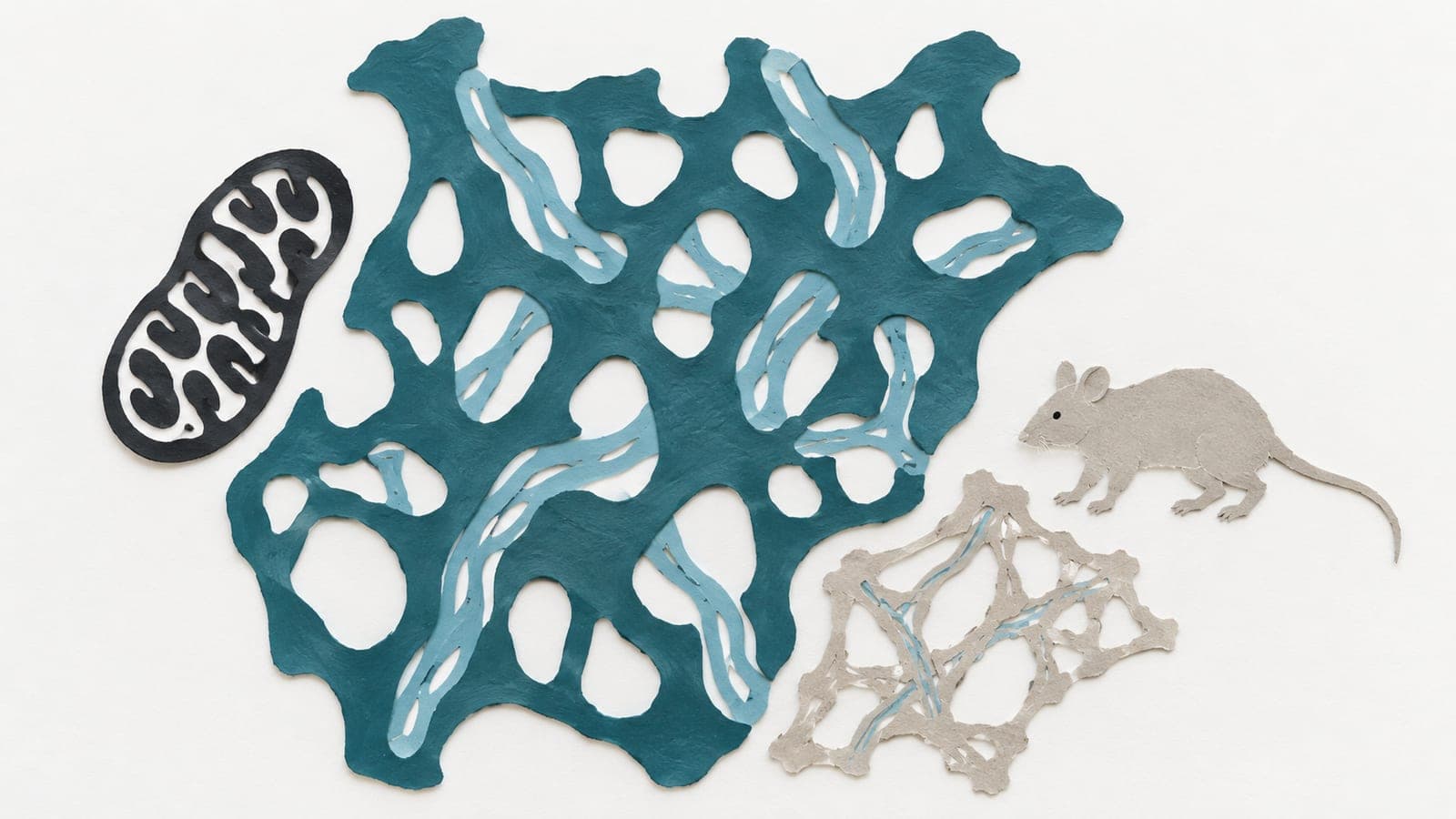
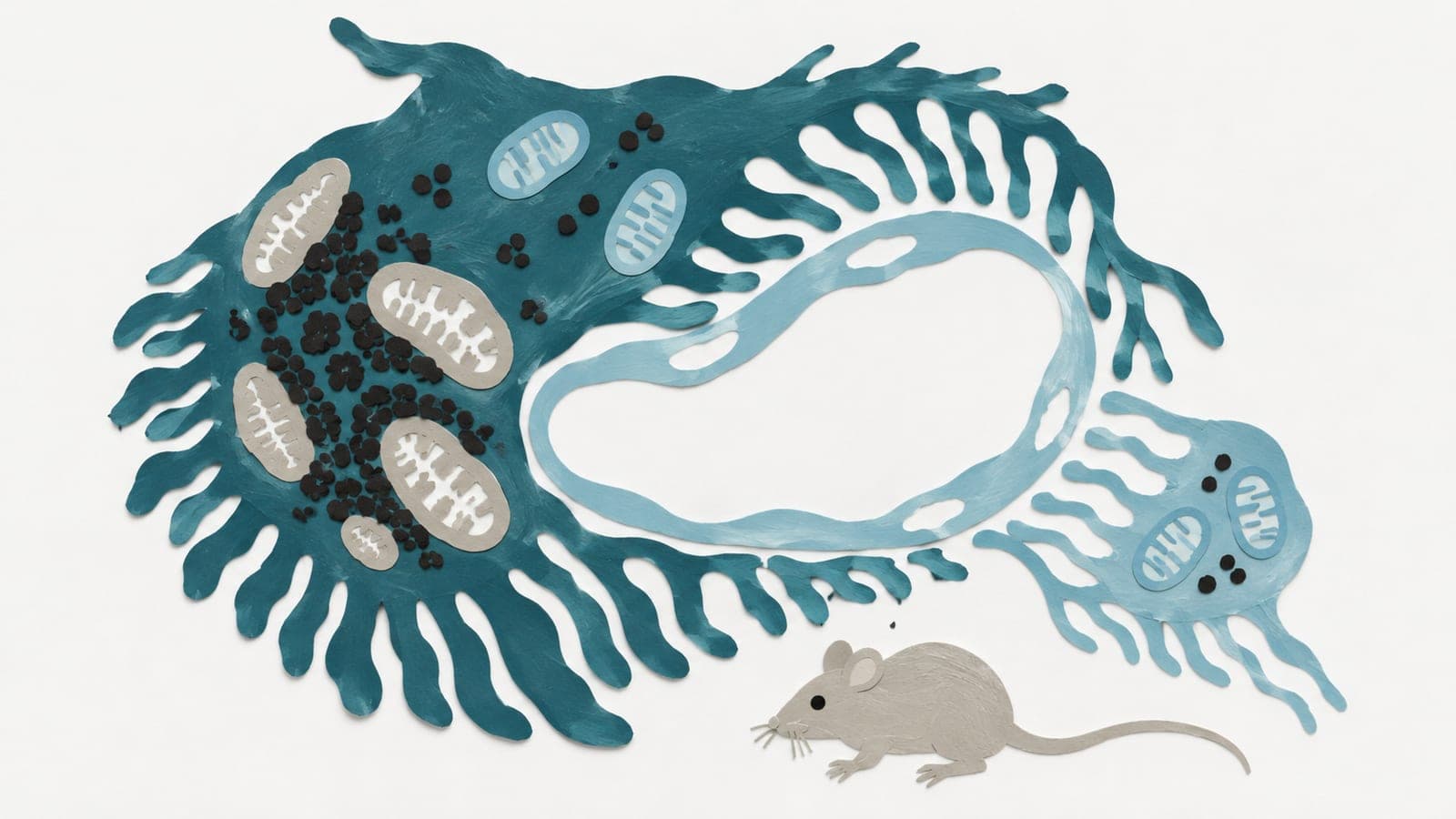
Metformin is the first-line oral anti-diabetic agent. Metformin concentrations in the intestine can reach up to 1.3 mM, while those in the portal vein are approximately 0.075 mM. It is unclear whether this metformin concentration difference contributes to metformin's antidiabetic effects. Here, we showed that high metformin concentrations upregulate G6PC expression through AMP-activated protein kinase (AMPK) activation to prevent glucose release in intestinal epithelial cells (IECs). The inhibition of mitochondrial activity by high metformin concentrations leads to drastically increased glucose utilization through glycolysis, along with lactate overproduction in the IECs. Subsequently, glycolytic metabolite lactate is released from IECs into portal vein and delivered to the liver. In the liver, low concentrations of metformin activate AMPK to promote mitochondrial fission and mitophagy to maintain a healthy mitochondrial population, resulting in increased lactate utilization in the mitochondria. These coordinated actions of metformin in the intestine and liver improve hyperglycemia in diabetes and obesity.
The paper
Johns Hopkins University; University of Arizona College of Medicine- Phoenix
Cell Reports, 5 Aug 2026