The role of ageing-specific PTM remodeling in myocardial ischemia-reperfusion injury
Abstract
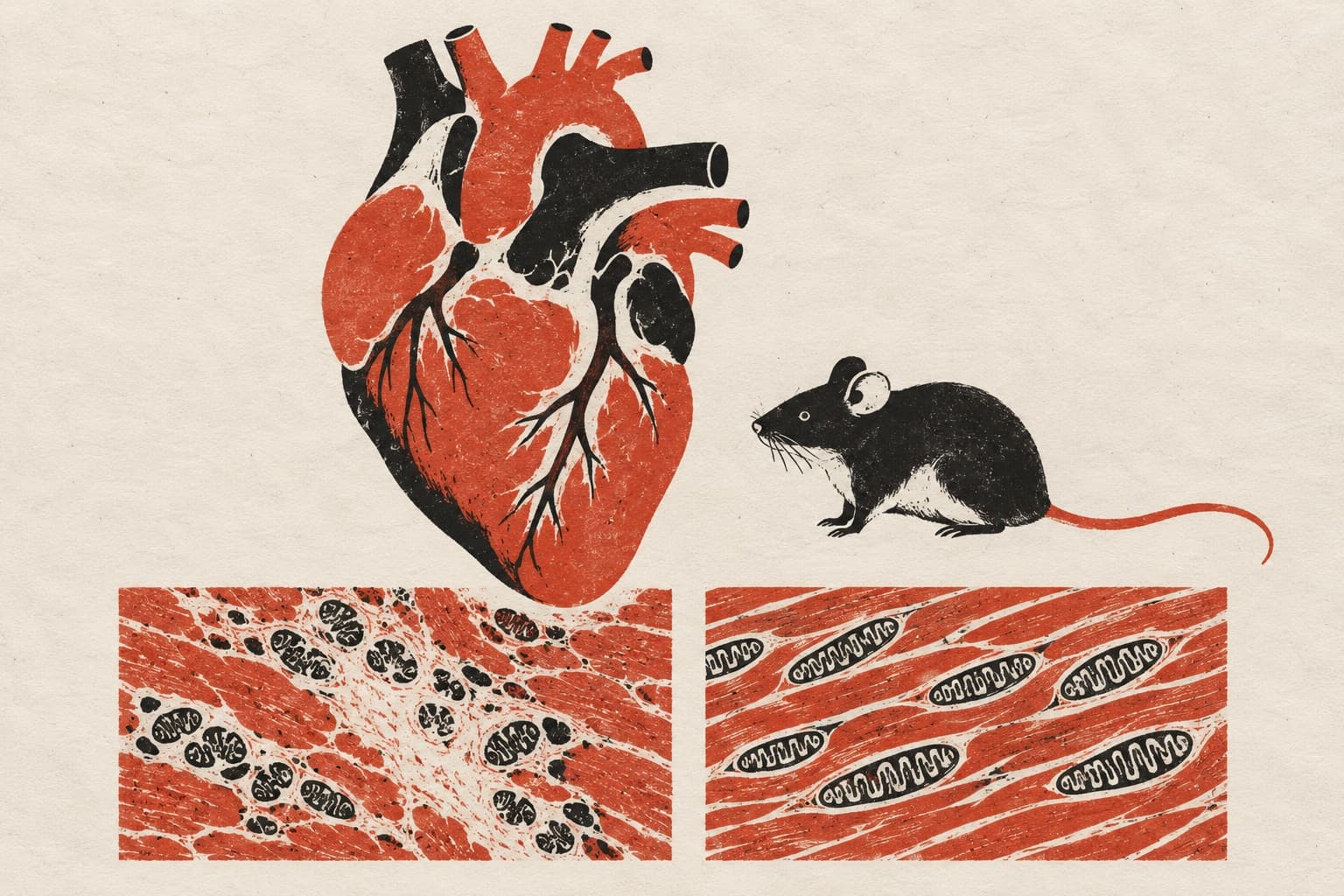
Myocardial ischemia-reperfusion injury (MIRI) in patients with acute myocardial infarction (AMI) after thrombolytic therapy or percutaneous coronary intervention is one of the diseases with threatening health and increasing mortality. Despite decades of research, the precise mechanisms of MIRI remain incompletely understood. Ageing is considered one of the factors that exacerbate MIRI. Emerging evidence highlights that protein post‑translational modifications (PTMs) serve as critical regulators in the pathogenesis of MIRI, particularly during the ageing process, these modifications exhibit specific changes. PTMs mediate protein conformational changes to regulate cellular activity, mitochondrial function, antioxidant capacity and inflammatory response, thereby participating in the pathological progression of MIRI. Multiple PTMs occur simultaneously and exhibit synergistic or reciprocal effects. It is noteworthy that PTMs of the same protein may exert bidirectional effects in MIRI across different age stages. However, most current studies mainly focused on young subjects, systematic investigation of PTM networks in ageing‑related MIRI is far from comprehensive. This review systematically summarizes six common PTMs that play important roles in MIRI: glycosylation, lysine crotonylation (Kcr), lactylation, succinylation, acetylation, and isonicotinylation, compares their roles in the pathogenesis of MIRI at different age stages, elucidates the role of ageing-specific PTM remodeling in MIRI, and highlights related drugs and potential mechanisms. We aim to emphasize the potential value of ageing‑specific PTMs as innovative therapeutic targets for treating MIRI.
The paper
Hunan University of Traditional Chinese Medicine
Ageing Research Reviews, 29 Jul 2026