Young-donor cell packages improved limb repair in rats
In a rat experiment, cell-released packages from young donors had stronger tissue-repair effects than those from older donors after blood supply was restricted.
Stem Cell Research & Therapy
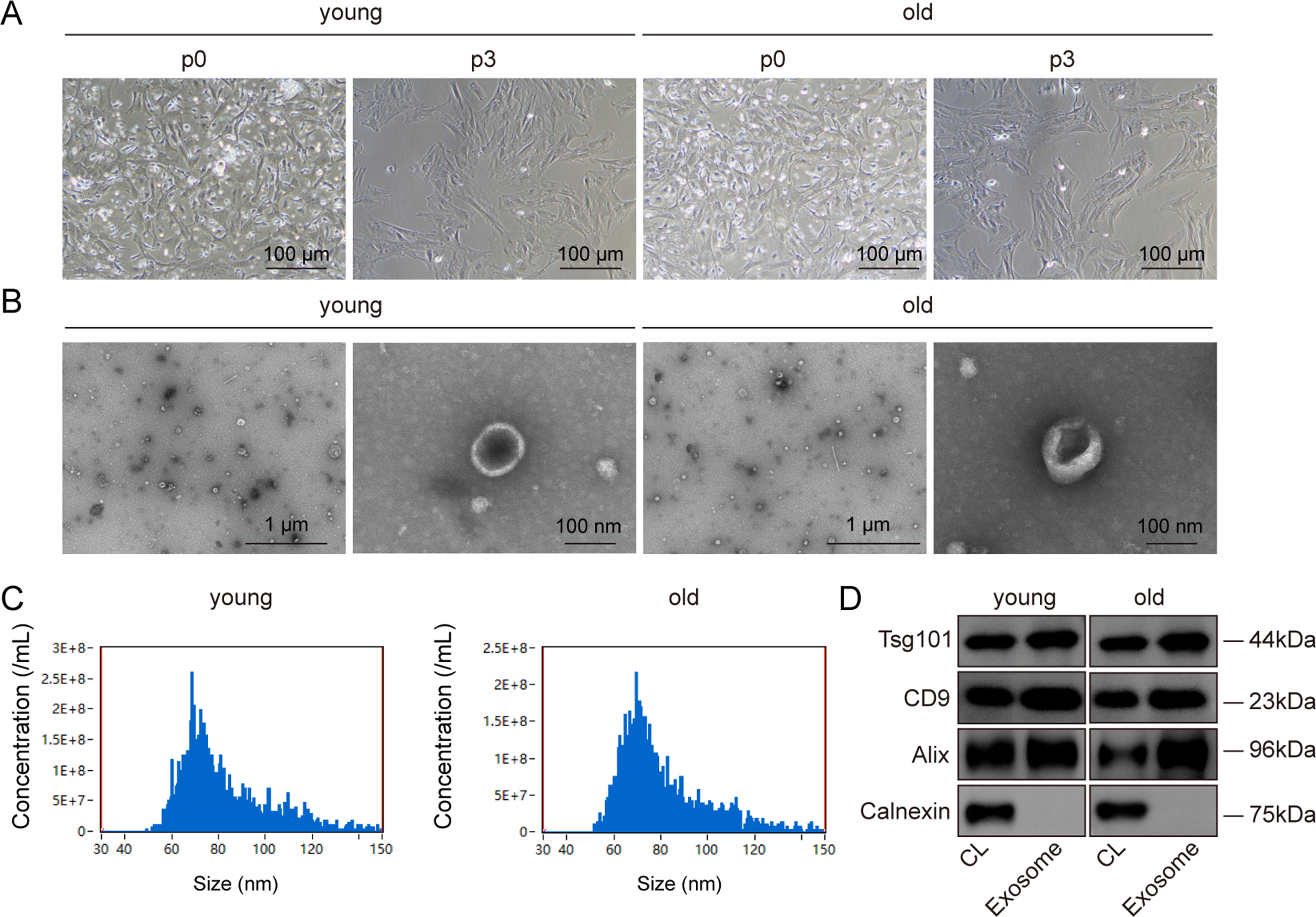
In a rat experiment, researchers restricted blood supply to one hindlimb and later injected muscle with exosomes, tiny cell-released packages. The packages came from young or older rats’ bone marrow mesenchymal stem cells, which can develop into several tissue types.
Packages from both donor groups improved blood-flow recovery. Young-donor packages had stronger overall tissue-repair effects. In human umbilical vein lining cells grown in the lab, researchers deprived the cells of oxygen and glucose, then restored both. Young-donor packages had stronger effects than older-donor packages on colony formation, cell movement and the formation of tube-like structures. The team identified miR-455-5p, a small RNA molecule that regulates gene activity, as a key candidate regulator of these effects. Inhibiting this molecule in young-donor packages weakened their benefits in both the rats and the lab-grown cells.
Why it matters
For limb damage caused by poor blood supply, the work supports studying cell-free repair approaches that take stem-cell donor age into account.
Caveats
These were experiments in rats and lab-grown cells, not a clinical trial. They do not establish whether the packages would help people with restricted blood flow to their limbs.
- Bone marrow mesenchymal stem cell-derived exosomes
- BACH1
- MIR455
- BACH1 protein
- BACH1 protein expression
- Rats
The paper
Central South University
Stem Cell Research & Therapy · 6 Oct 2026 · CC BY-NC-ND