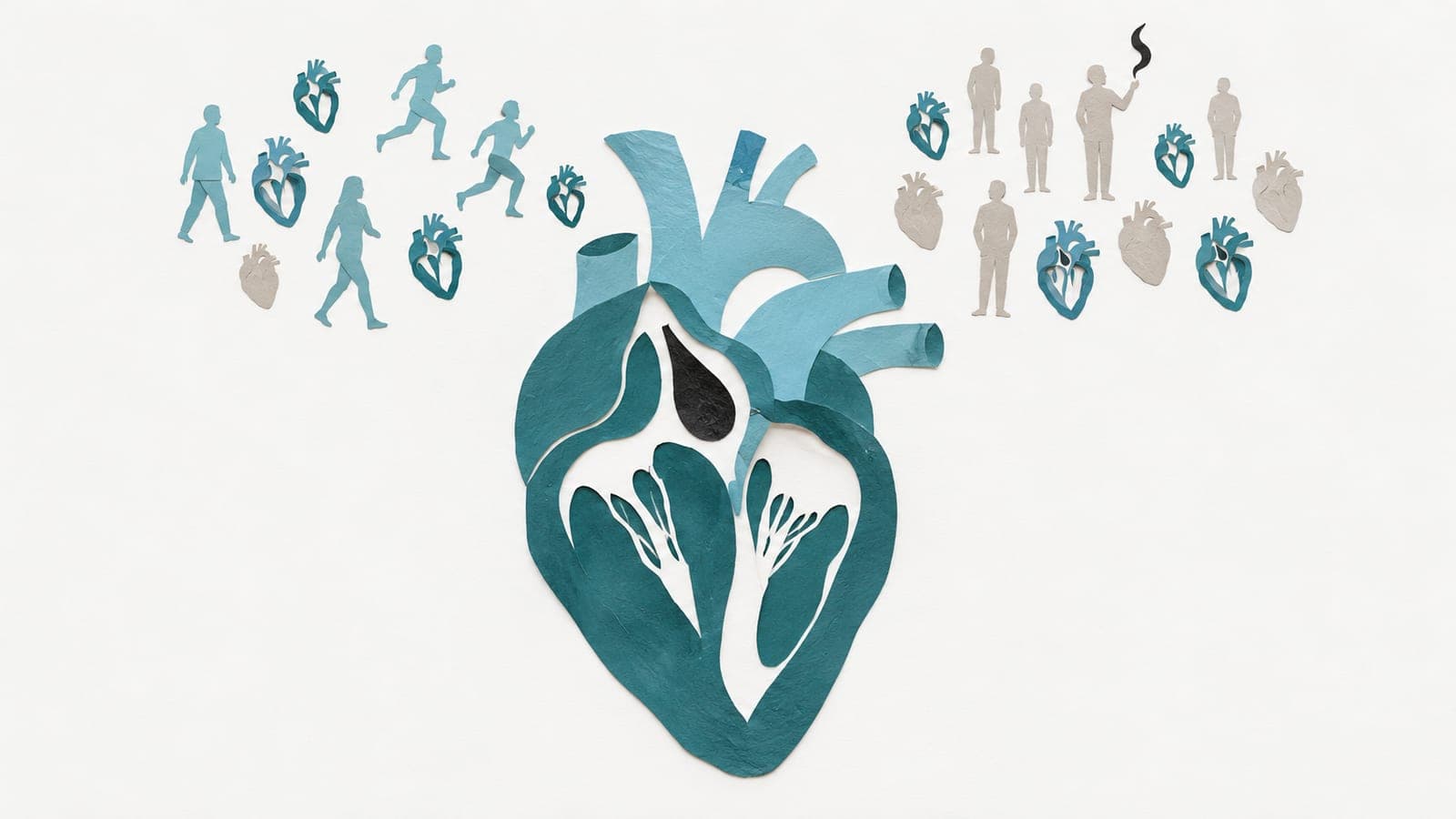
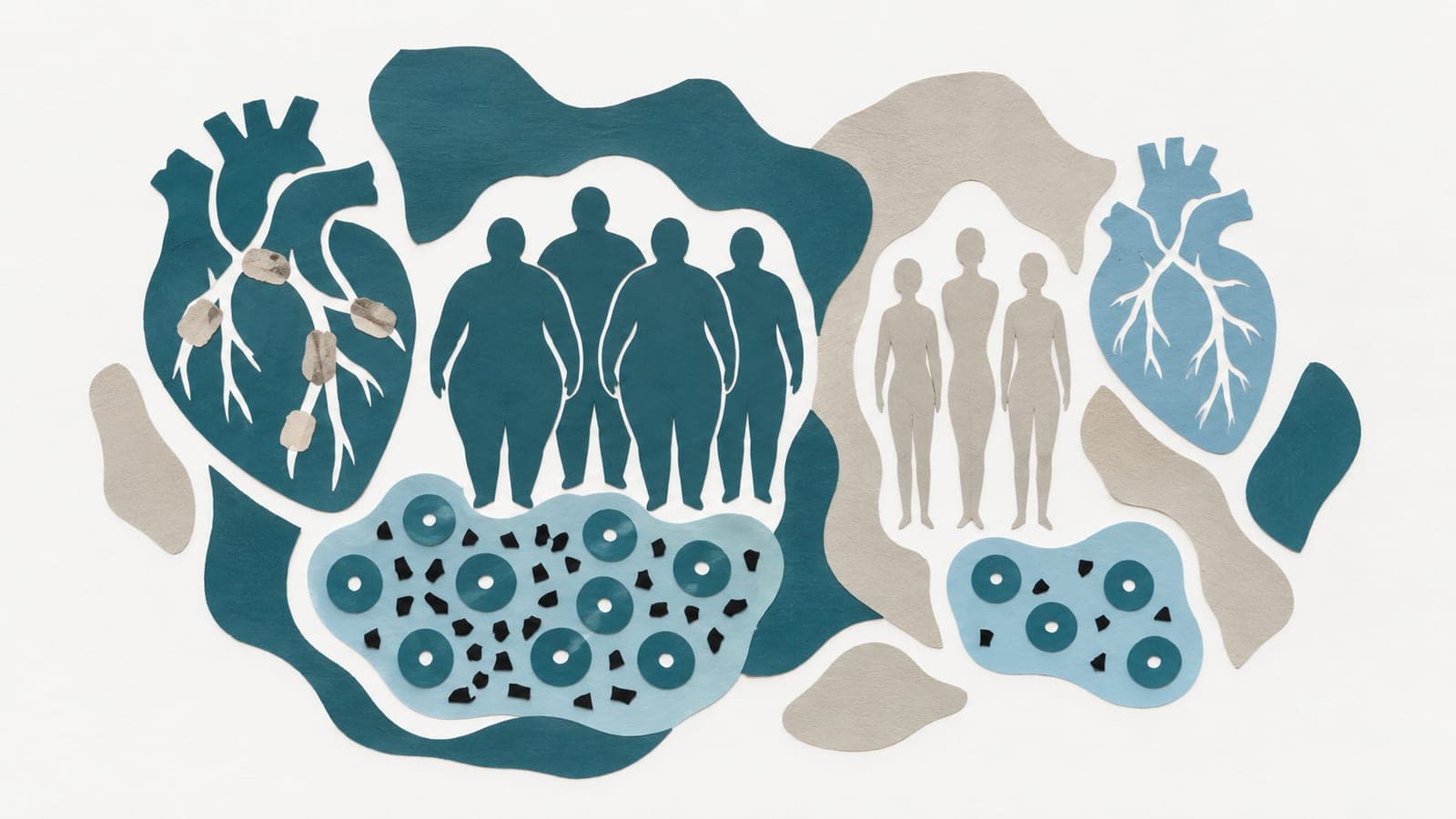
A Systems Perspective on Lifestyle Behaviors, Excess Weight, and Healthy Longevity in the European Union
Abstract
Background/Objectives: Healthy eating and regular physical activity support chronic disease prevention and healthy aging, while smoking, sugar-sweetened soft drink consumption, and excess weight remain important public health concerns in Europe. Nutritional status and lifestyle behaviors are also relevant to the progression and management of obesity-related metabolic and degenerative diseases, which justify a broader, systems-oriented analysis of lifestyle-health profiles. This study examines the associations between lifestyle behaviors, excess weight, and population health outcomes across European Union Member States and explores whether Member States exhibit distinct lifestyle-health profiles. Methods: The analysis uses cross-sectional data from the European Health Interview Survey for the 27 European Union Member States, along with related Eurostat indicators. Healthy dietary behavior is measured through daily fruit and vegetable consumption. The study also includes health-enhancing physical activity, daily smoking, sugar-sweetened soft drink consumption, overweight and obesity prevalence, life expectancy, and healthy life years. Pearson and Spearman correlations, reduced linear regression models, hierarchical clustering, K-means clustering, and cluster-based comparisons are used. Results: Healthy dietary behavior was positively associated with life expectancy (r = 0.459, p = 0.016), as was health-enhancing physical activity (r = 0.435, p = 0.023), while overweight prevalence was negatively associated with life expectancy (r = -0.505, p = 0.007). The reduced regression model, including healthy dietary behavior, physical activity, and overweight prevalence, explained 47.4% of the variance in life expectancy. Cluster analysis identified three distinct lifestyle-health profiles: a healthy-diet, low-excess-weight and high-longevity profile; a lower-diet-quality, higher-smoking and lower-health-outcome profile; and a mixed profile characterized by low smoking, higher excess weight, and relatively favorable health outcomes. Conclusions: The study supports a systems-oriented view of lifestyle and population health in Europe. Its findings may inform more targeted nutrition, obesity prevention, and public health policies across EU countries.