Messages may lower predicted heart and blood vessel disease risk
The reported share at predicted risk of heart and blood vessel disease fell from 10.0% to 6.2% with messages, versus 11.0% to 9.7% with usual care.
12 months
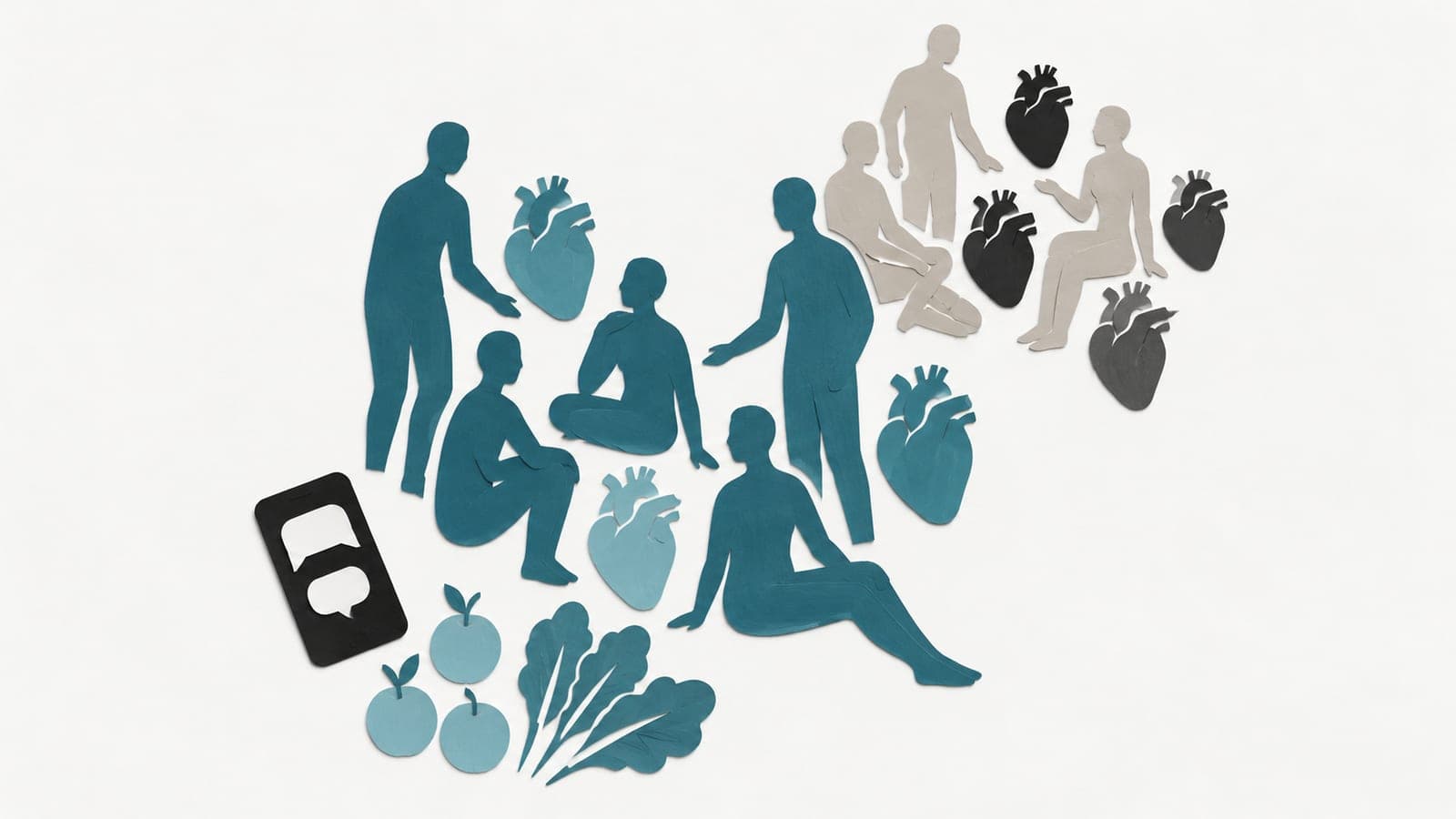
In a randomised trial, 1,200 overweight or obese adults aged 35–64 from Sri Lanka’s Colombo district received either mobile messages or usual care. Researchers assigned 600 participants to each group. For 12 months, the message group received two automated texts and two voice messages each week in their native language. Researchers assessed predicted risk of heart and blood vessel disease over 10 years using a World Health Organization score.
The reported proportion of participants at risk fell from 10.0% to 6.2% in the message group. The change from 11.0% to 9.7% with usual care was not statistically significant. Daily fruit and vegetable servings rose from 3.6 to 5.5 in the message group. The findings suggested a potentially beneficial effect on predicted risk.
Why it matters
Nutrition and lifestyle are targets for reducing heart and blood vessel disease risk as adults age. This trial addressed whether prevention advice delivered by phone could support those efforts in urban South Asia.
Caveats
The primary outcome was predicted risk, not mortality, and the abstract did not define the risk category used for its reported proportions. The study was a preprint and had not been peer-reviewed.
The paper
Department of Community Medicine, Faculty of Medicine, University of Colombo
medRxiv, 12 Oct 2026, CC0, Preprint, not peer-reviewed