Leukocyte-Rich Platelet-Rich Plasma (L-PRP) Promotes Rejuvenation of Senescent Fibroblasts and Dermal Remodeling via CCL1-CCR8 Signaling and PKM2 Modulation
Dose-response
Abstract
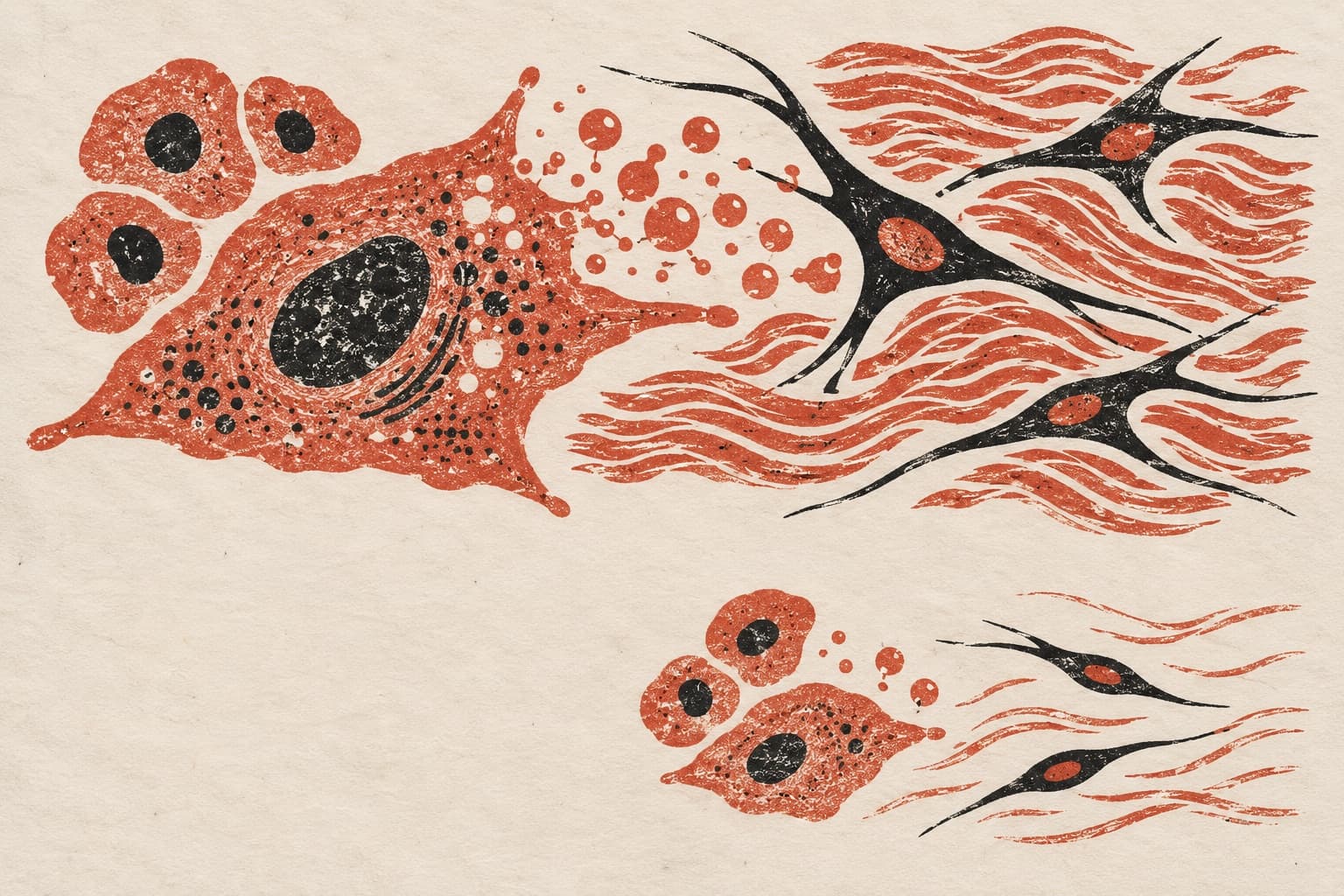
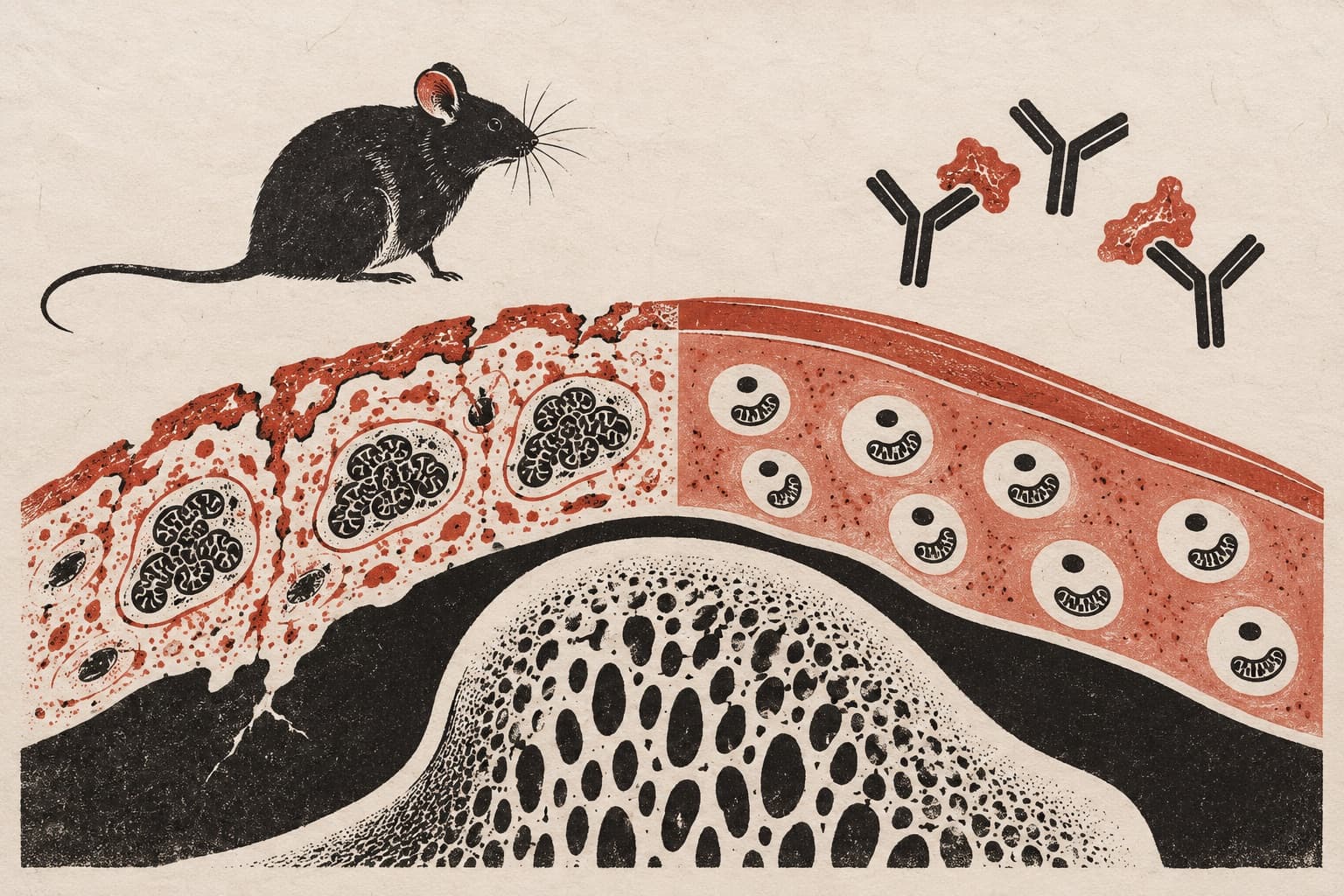
Platelet-rich plasma (PRP) is widely utilized for skin rejuvenation and tissue regeneration; however, its biological effects vary according to leukocyte content and molecular composition. We investigated the mechanism by which leukocyte-rich PRP (L-PRP) enhances extracellular matrix (ECM) regeneration in aged skin, focusing on the CCL1-CCR8/pyruvate kinase M2 (PKM2) signaling axis. First, we demonstrated that L-PRP contains significantly higher levels of CCL1 than platelet-poor plasma (PPP). In senescent human dermal fibroblasts, L-PRP increased CCL1-CCR8 interactions in a manner linked to enhanced formation and nuclear translocation of PKM2 dimers. This enhancement was accompanied by Janus kinase (JAK)/signal transducer and activator of transcription 3 (STAT3) pathway activation and the upregulation of STAT3-dependent anti-apoptotic proteins (Bcl-2, Bcl-xL) and proliferative markers (Cyclin D1), resulting in increased fibroblast proliferation. Furthermore, L-PRP increased PKM2 tetramer levels, promoted PKM2-SMAD7 binding, and reduced SMAD7-mediated inhibition of transforming growth factor (TGF)-β signaling, leading to enhanced SMAD2/3 activation. These molecular events augmented the synthesis of collagen types I and III in senescent fibroblasts. In aged mice, intradermal L-PRP injections elicited dose-dependent increases in fibroblast proliferation, collagen fiber deposition, and skin elasticity. Nuclear PKM2 dimer/STAT3 signaling and PKM2 tetramer/TGF-β signaling were both more strongly activated in the L-PRP group. Our findings identify PKM2 as a central metabolic and signaling integrator linking immune-derived chemokines to fibroblast rejuvenation. This study provides mechanistic insights concerning how L-PRP promotes ECM regeneration in aged skin via coordinated regulation of fibroblast survival, proliferation, and collagen synthesis.
The paper
Gachon University
International Journal of Molecular Sciences, 15 Jul 2026, Open access