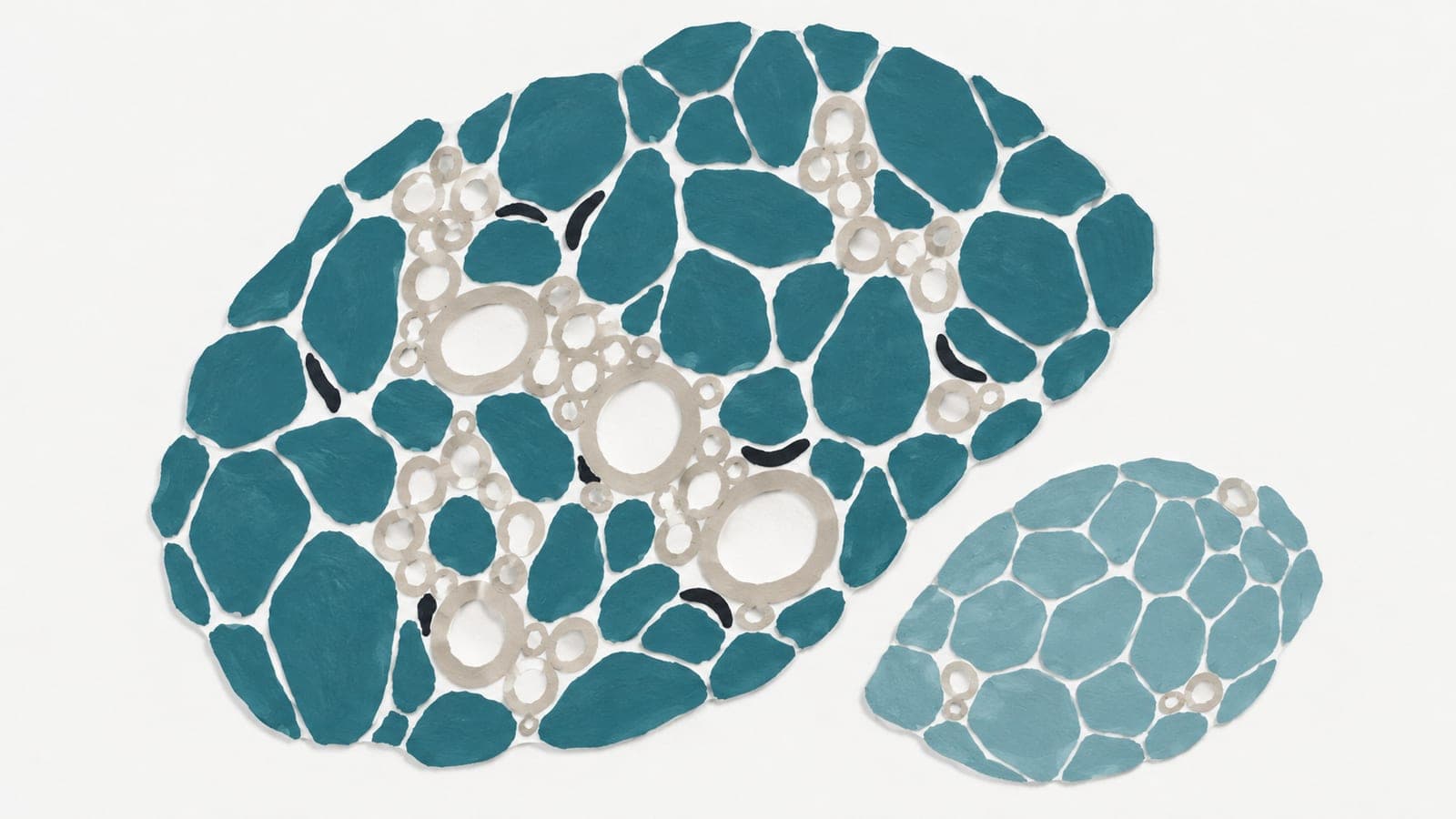
Loss of a muscle protein mimics age-related changes in mice
Experiments in male mice found that losing a muscle membrane protein reduced muscle strength and calcium entry and changed signaling by fat-derived molecules.
Stake: Authors founded Bioform Sciences and sit on its board.
Edited by Boris Djordjevic · AgingResearch.News
In experiments in male C57BL/6J mice, researchers tested how MG29, a muscle membrane protein, affected muscle structure, strength and calcium entry. They compared mice lacking the protein with normal mice, including older animals. They also reduced MG29 production in adult mouse muscle and in mouse muscle cells grown in the lab.
Young mice lacking MG29 had smaller muscle fibers. Their muscles generated less force for their size and admitted less calcium when internal calcium stores ran low. Their muscles also contained less cholesterol and showed changes in fat-derived signaling molecules resembling those in older mice. Reducing MG29 in adult mouse muscle also reduced this calcium entry, measured 28 days later. In lab-grown mouse muscle cells, removing some membrane cholesterol produced similar calcium-entry defects.
Why it matters
Sarcopenia, the progressive loss of muscle mass and function, contributes to frailty in older adults. The authors suggest that age-related MG29 decline contributes by disrupting muscle membrane organization and the process linking electrical signals to muscle contraction.
Caveats
These were experiments in mice and lab-grown mouse cells, not tests in people. The mice were male, and lifelong loss of MG29 served as a model of accelerated age-related muscle loss.
The paper
The University of Texas at Arlington
Biomolecules, Jul 4, 2026, Open access