Low-frequency pulsed electromagnetic fields inhibit the NETs/PADI4/MFN2 axis to ameliorate BMSC senescence in the treatment of rheumatoid arthritis
Abstract
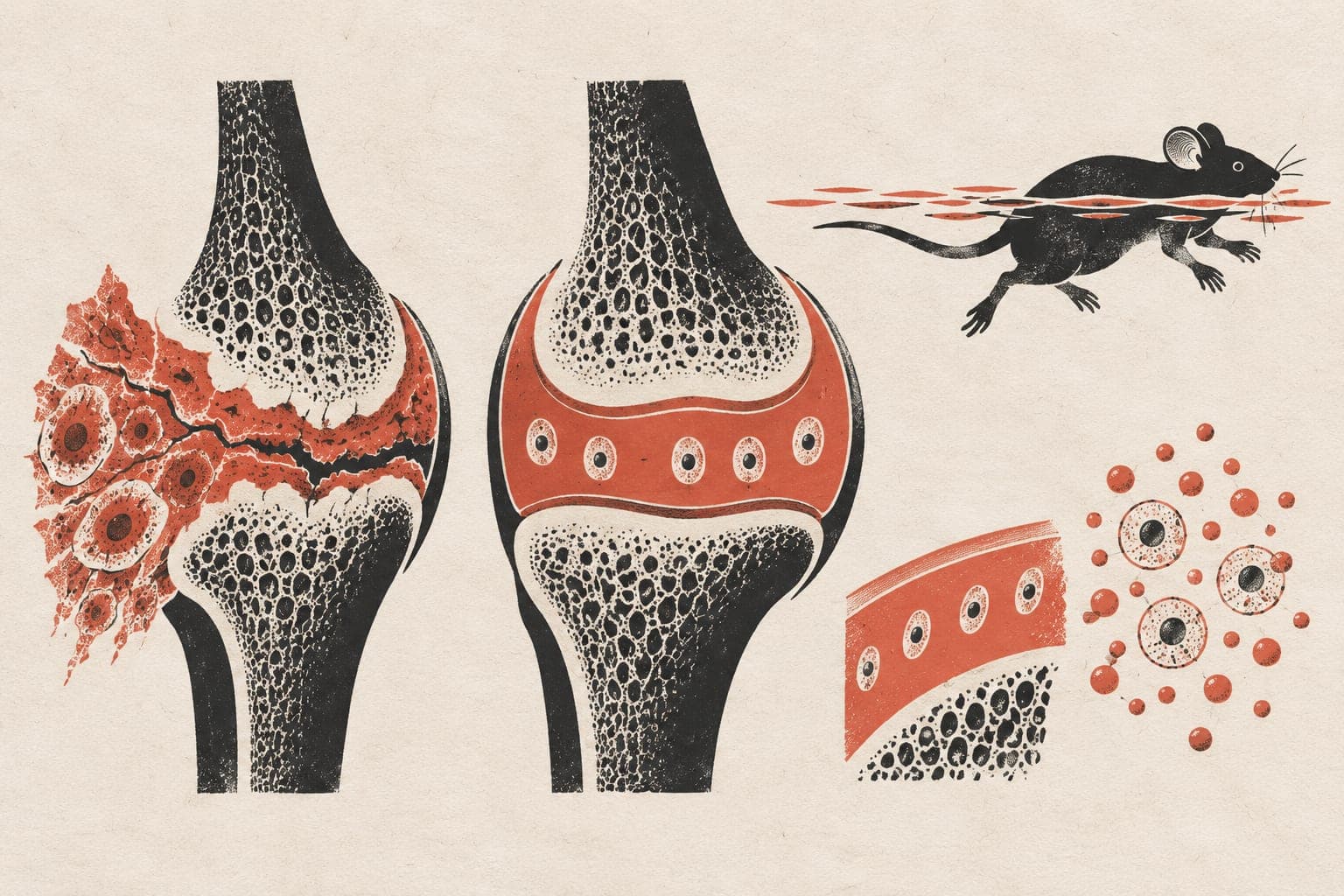
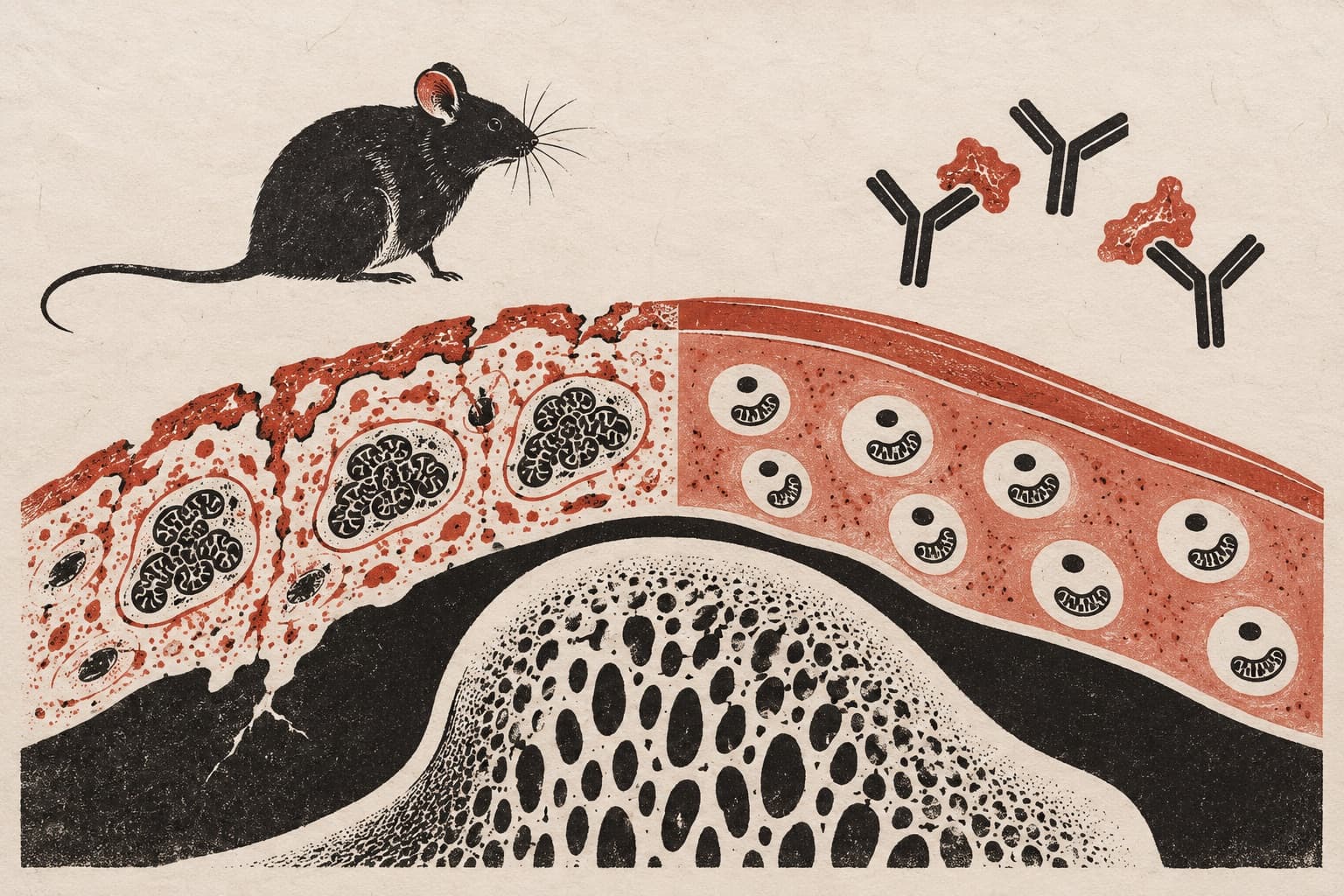
Rheumatoid arthritis (RA) is an autoimmune disease characterized by synovial inflammation and joint destruction. Recent studies have indicated that neutrophil extracellular traps (NETs) are closely associated with the senescence of bone marrow mesenchymal stem cells (BMSCs) and the pathogenesis of RA. However, the mechanistic link between NETs and BMSC senescence in RA remains unclear. This study aims to elucidate the molecular mechanism by which NETs induce BMSC senescence and to evaluate the therapeutic effect of low-frequency pulsed electromagnetic fields (PEMFs). In a adjuvant-induced arthritis (AIA) mouse model, NET formation was significantly increased in joint tissues, and BMSCs exhibited a typical senescent phenotype. Using a neutrophil-BMSC co-culture system, we demonstrated that RA-derived neutrophils induced BMSC senescence through NETs, an effect that was reversed by DNase I treatment. Mechanistically, PADI4 derived from NETs interacted with and citrullinated MFN2. This modification reduced MFN2 protein stability via the autophagy-lysosome pathway, subsequently leading to mitochondrial dysfunction and cellular senescence in BMSCs. Furthermore, treatment with low-frequency PEMFs markedly inhibited NET formation, effectively delayed BMSC senescence, and ameliorated joint pathological damage in RA mice. Collectively, these findings reveal that NET-derived PADI4 induces BMSC senescence through citrullination of MFN2, and that PEMFs exert therapeutic effects by inhibiting NET formation and blocking this pathway. This study provides important theoretical insights into the pathogenesis and clinical treatment of RA, and suggests that PEMFs hold promise as a potential therapeutic strategy for RA.
The paper
Wuhan Puai Hospital; Hubei University of Chinese Medicine
Pathology, Research and Practice, 13 Jul 2026
doi.org/10.1016/j.prp.2026.156620PubMed 42501526
Corrected, 1 Nov 2026