Discovery of a quinoline-based senomorphic agent for the treatment of chronic kidney disease
Abstract
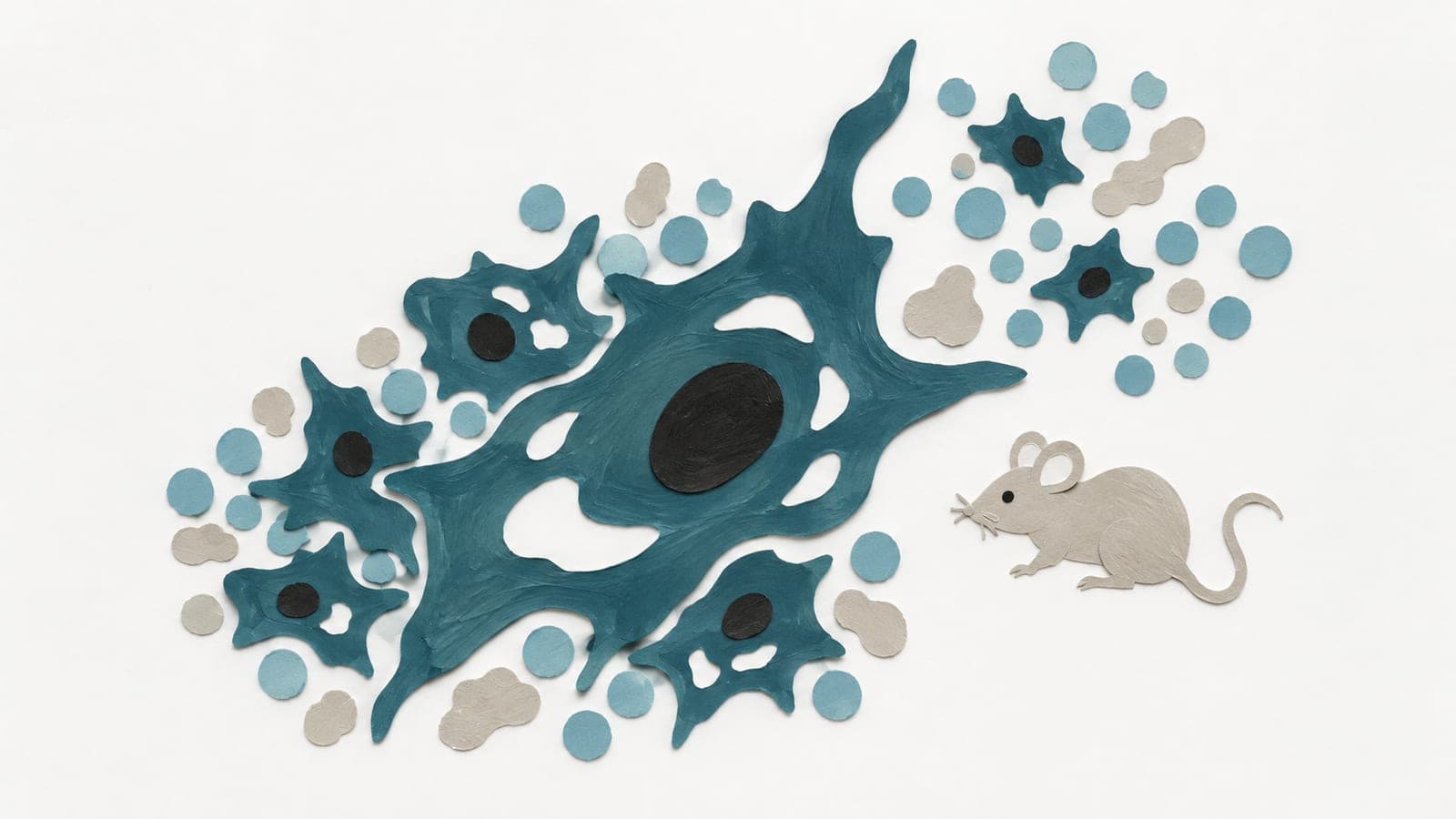
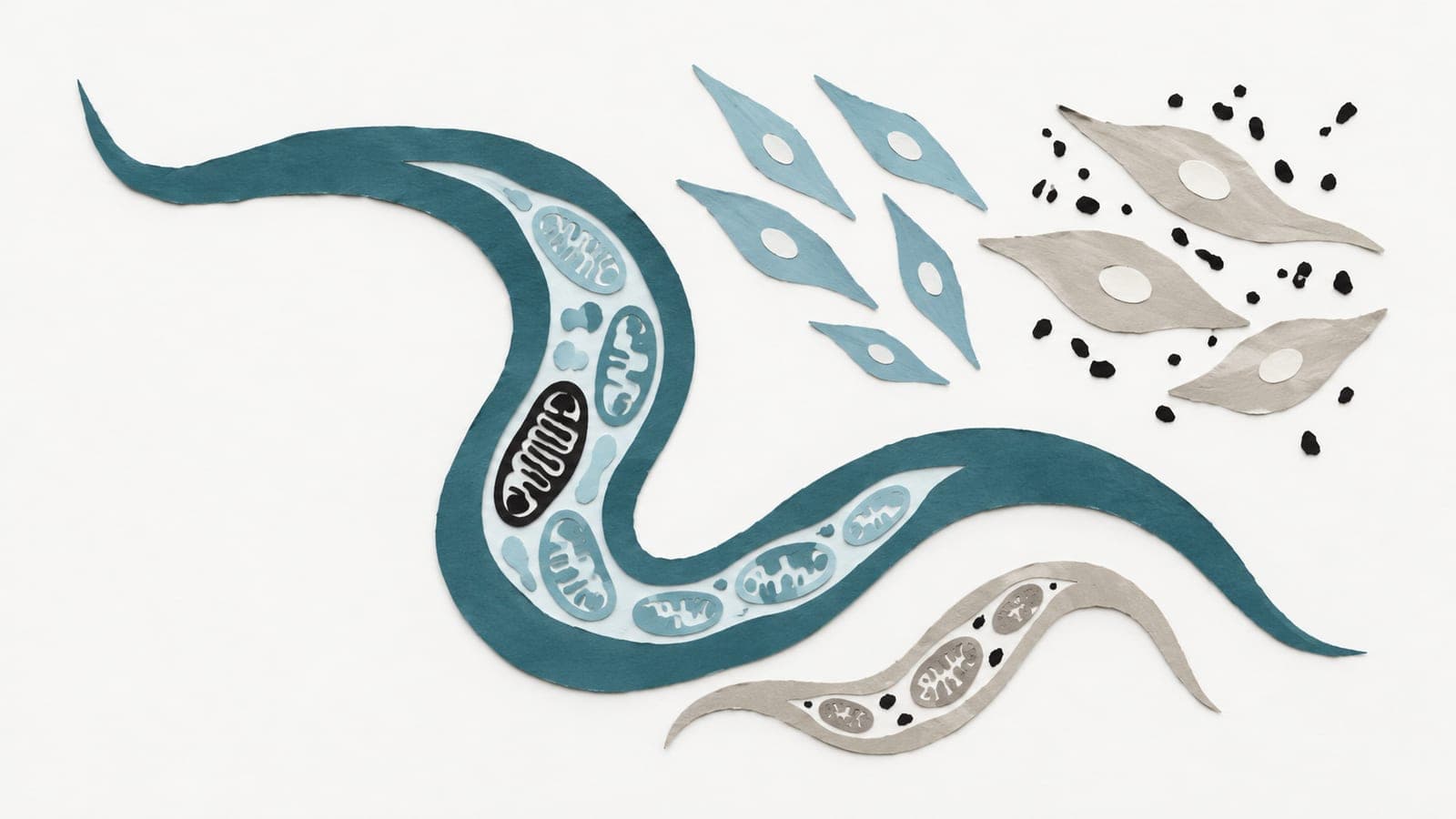
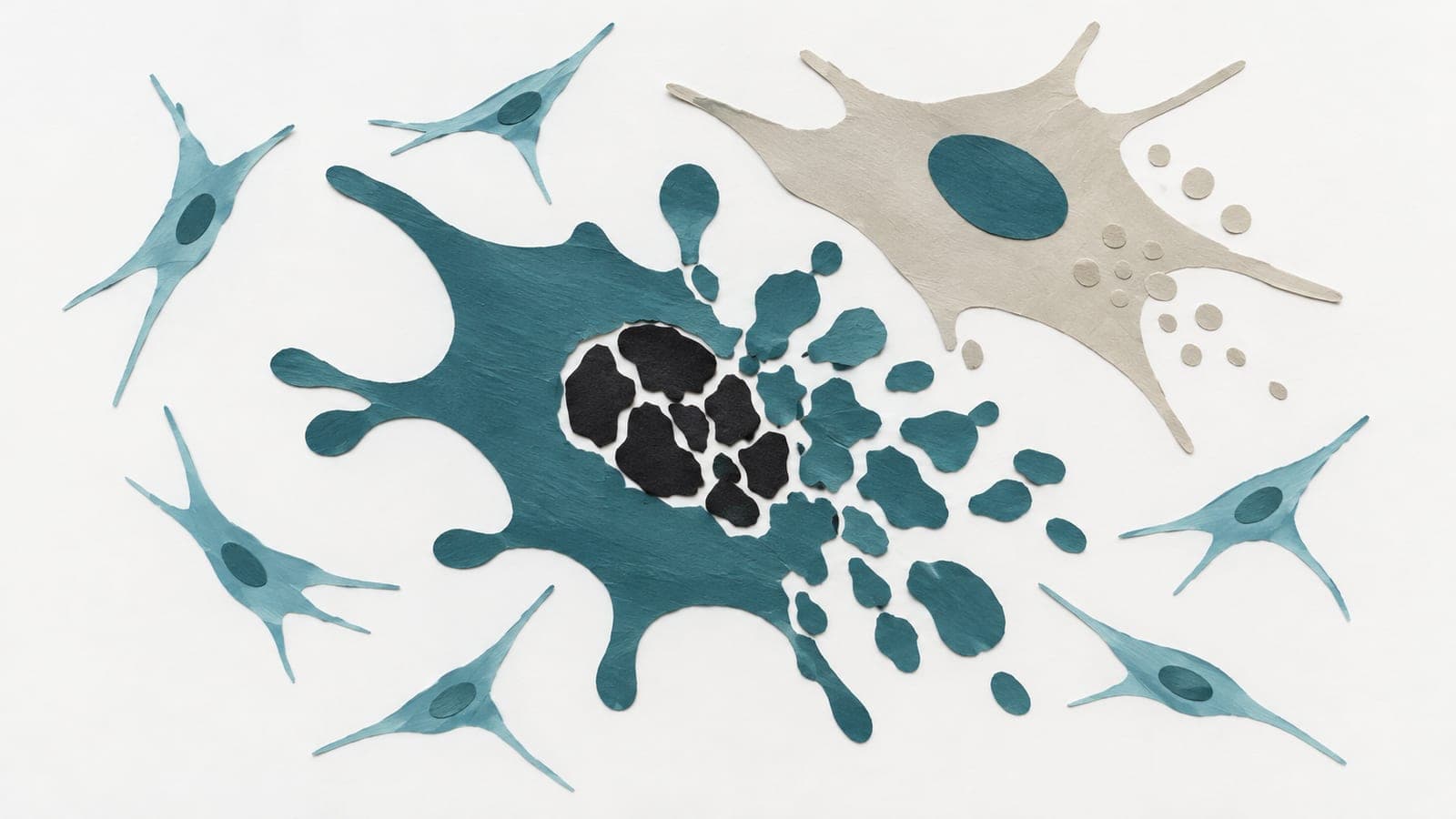
Senescence is a risk factor for chronic diseases, making anti-aging interventions a promising strategy for geriatric conditions. While a non-antibacterial derivative C1 of enrofloxacin has been proposed to extend lifespan in Caenorhabditis elegans (C. elegans), its unresolved cytotoxicity in healthy mammalian cells limits its combinatory potential and safety as an anti-aging agent. With the aim of preserving anti-aging activity while enhancing safety, we here performed structural optimization of C1 and created 37 derivatives. Among them, C36, which derived from introducing an isopropoxy group at the R⁷ position, exhibited the most potent lifespan extending effect (11.49%) in C. elegans with low cytotoxicity (IC₅₀ > 100 μM) in two commonly used aging relevant mammalian cell lines. In a mouse model with doxorubicin induced senescence, C36 treatment attenuated the senescence associated secretory phenotype (SASP), mitigated cell cycle arrest, and significantly lowered aging markers in kidney tissue. Given the central role of cellular senescence and SASP in the progression of chronic kidney disease (CKD), we evaluated C36 in mice with kidney failure. The results showed that C36 effectively reduced the level of SASP and thus alleviated senescence of the diseased kidney through a senomorphic approach. In comparison to the model group, C36 significantly improved renal function, reduced renal fibrosis by approximately 50%, and decreased the renal expression of the senescence-associated markers p21, p16, and p53. These findings imply that C36 could have a role in modulating organismal senescence with potential implications for CKD, and offer a perspective on drug repurposing and secondary development for age-related diseases.
The paper
Hainan University
European Journal of Medicinal Chemistry, 17 Jul 2026