Exposure to polystyrene nanoplastics provokes vascular endothelial senescence through eliciting nucleolar stress
Abstract
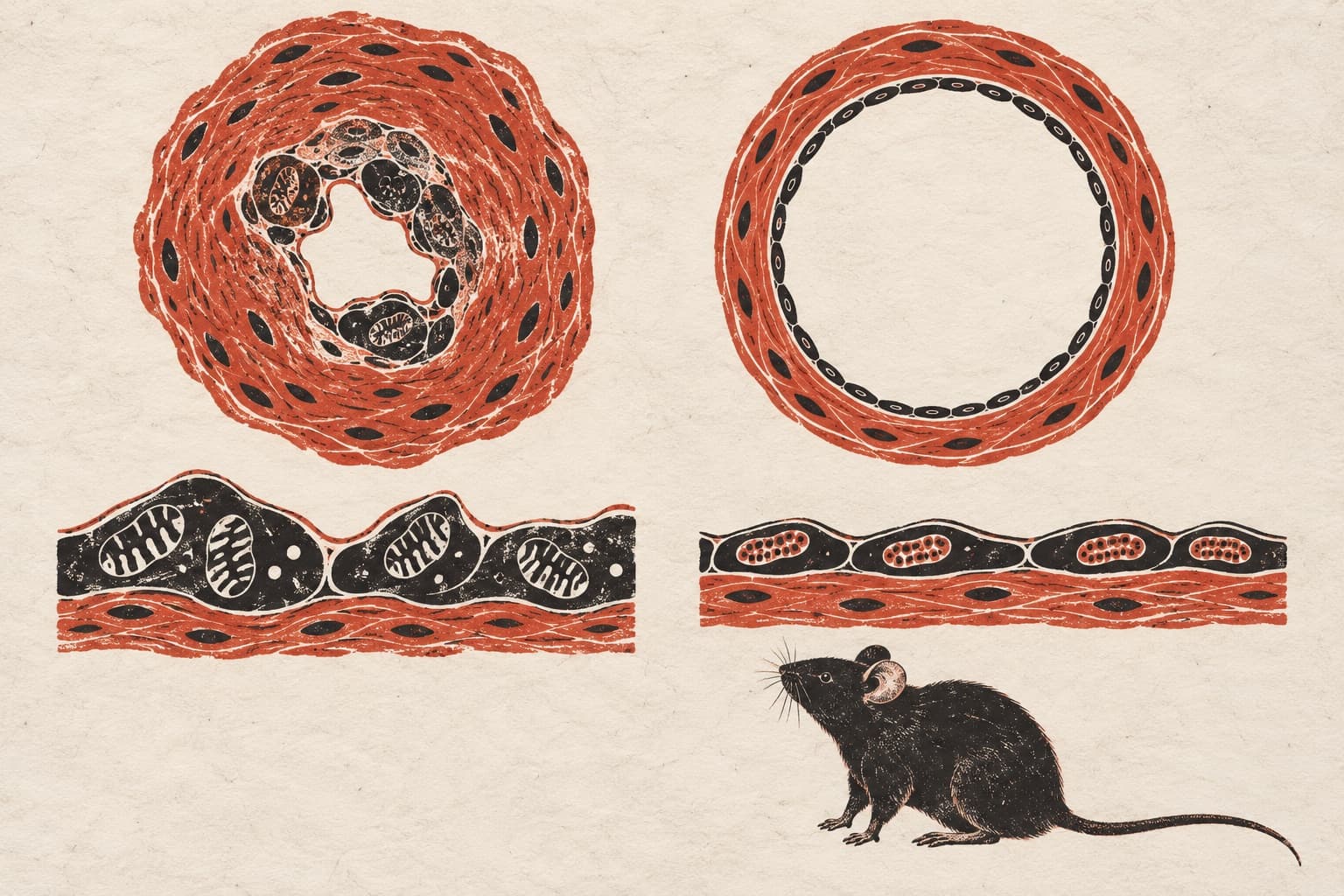
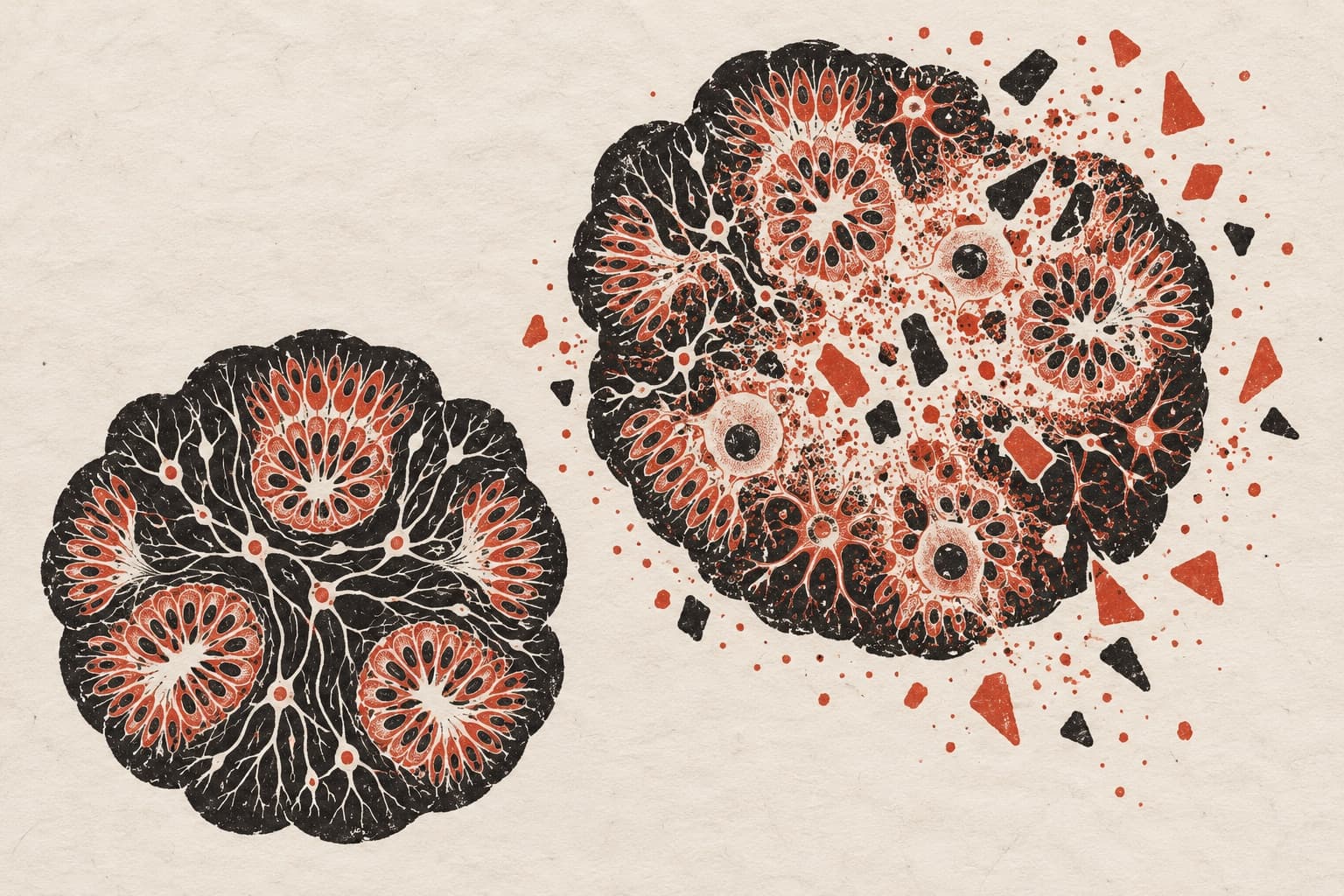
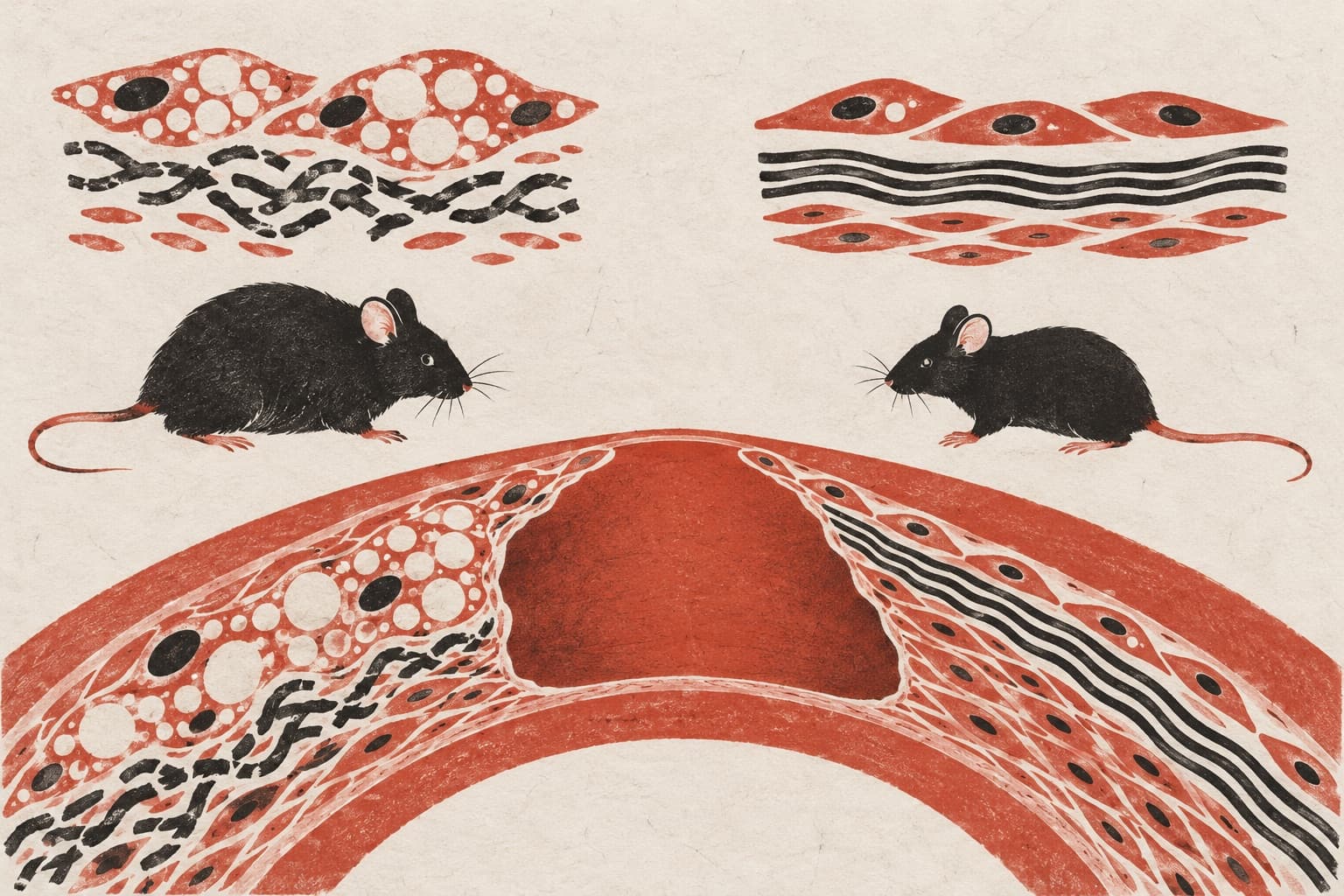
Polystyrene nanoplastics (PS-NPs) are emerging environmental contaminants with unclear cardiovascular impacts. This study evaluated PS-NPs-induced endothelial senescence using murine models and HUVECs. PS-NPs caused aortic wall thickening and structural disruption in mice, and induced DNA damage, apoptosis, cell cycle arrest, and impaired migration/vasculogenesis in vitro. Both models showed excessive ROS production and nucleolar stress (NPM1 relocalization), leading to premature senescence via p53/p21 upregulation. These effects were reversed by NPM1 inhibitor NSC348884 or ROS scavenger N-acetylcysteine. Collectively, PS-NPs promote vascular endothelial senescence through ROS-dependent nucleolar stress, highlighting their vasotoxic potential and cardiovascular risks.