Mouse gut virus catalog reveals features linked to aging
The catalog contained 109,778 viral genomes—sets of genetic instructions—representing 28,824 species and expanded known mouse gut viral diversity by about 67.6%.
Our read
AI & data- Studied:
- Computational study of 913 Diversity Outbred mice
- What changed:
- Mouse gut virome features harbored host aging-associated signals distinct from those captured by bacterial features
- The catch:
- The analysis identified associations with age; lifespan was not measured
- Stake:
- An author founded DECODE BIOME and holds shares in it.
- Why it’s aging research:
- A tool or dataset for aging research.
Editor of record: Boris Djordjevic · AgingResearch.News
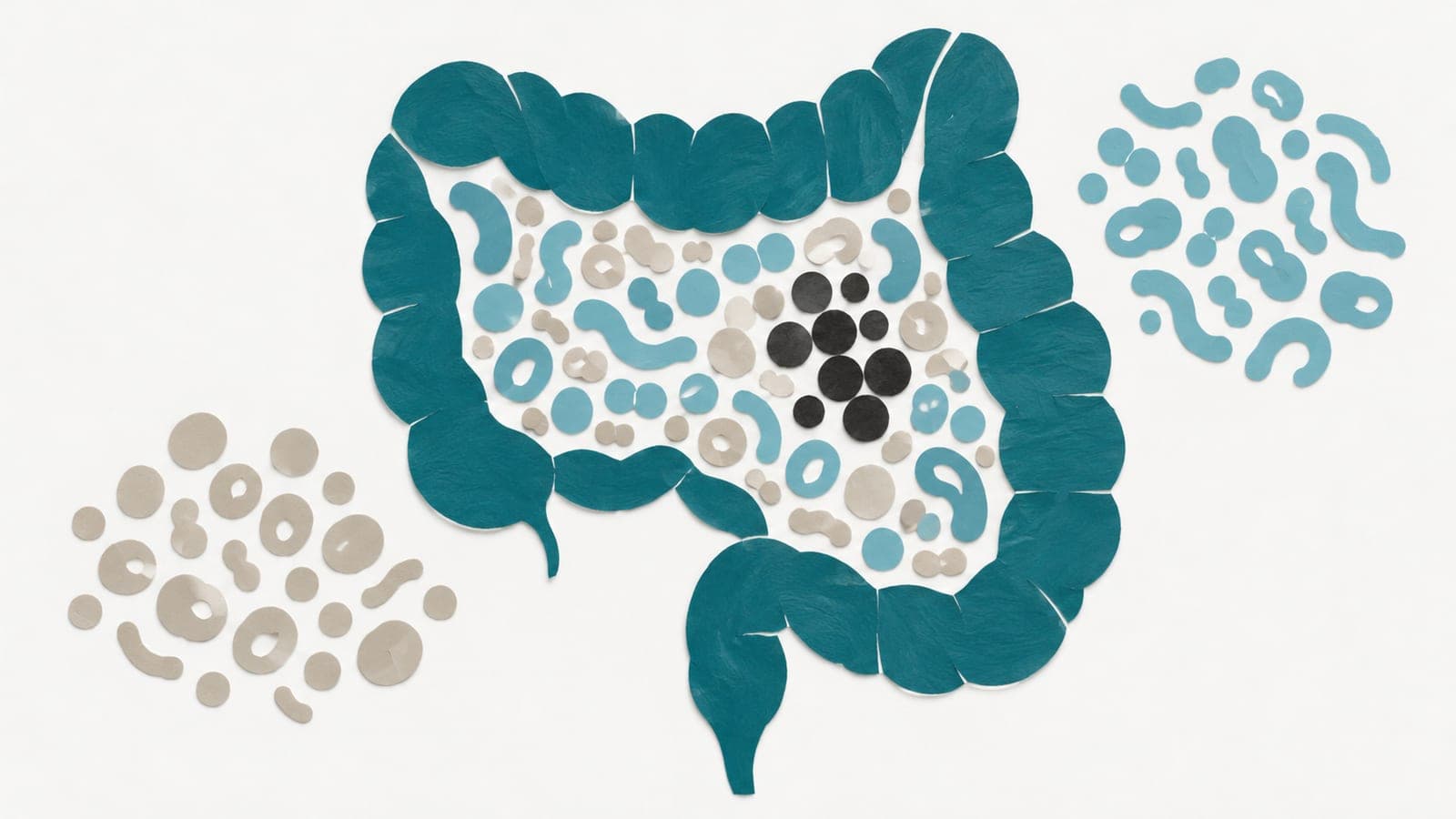
In a computational study of mice, researchers built a gut virus catalog using 2,638 DNA-sequencing datasets from fecal samples. The catalog contained viral genomes that were at least 50% complete. Comparison with a human gut virus catalog revealed substantial differences in viral groups and functions.
The team also analyzed 2,997 fecal samples collected over time from 913 Diversity Outbred mice. The viral data contained age-associated signals distinct from those captured by bacterial data. Most viral features linked to aging came from genomes reconstructed by grouping DNA fragments, highlighting the value of this approach for studying gut viruses.
Why it matters
The catalog offers a resource for investigating how gut viruses relate to changes in their hosts during aging.
Caveats
The computational analysis identified associations with age, not evidence that viruses caused aging or changed lifespan. The aging results came from mice, not people.
The paper
A genomic catalog of the mouse gut virome reveals features associated with ageing
Yonsei University
Nature Communications, Jul 21, 2026, Open access
Comments
Be the first to comment.