Renal aging and associated diseases: Common mechanisms and therapeutic approaches
Abstract
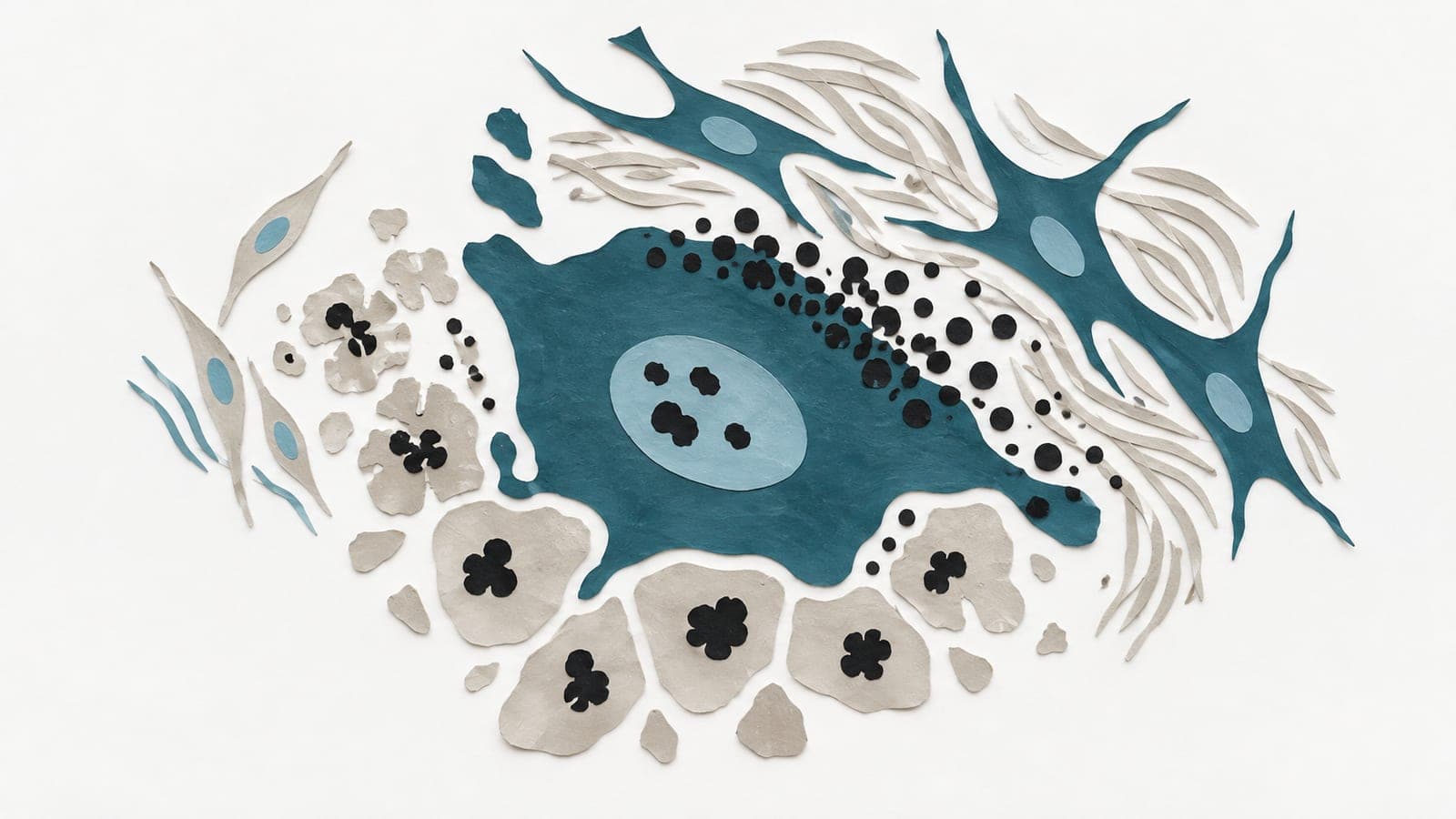
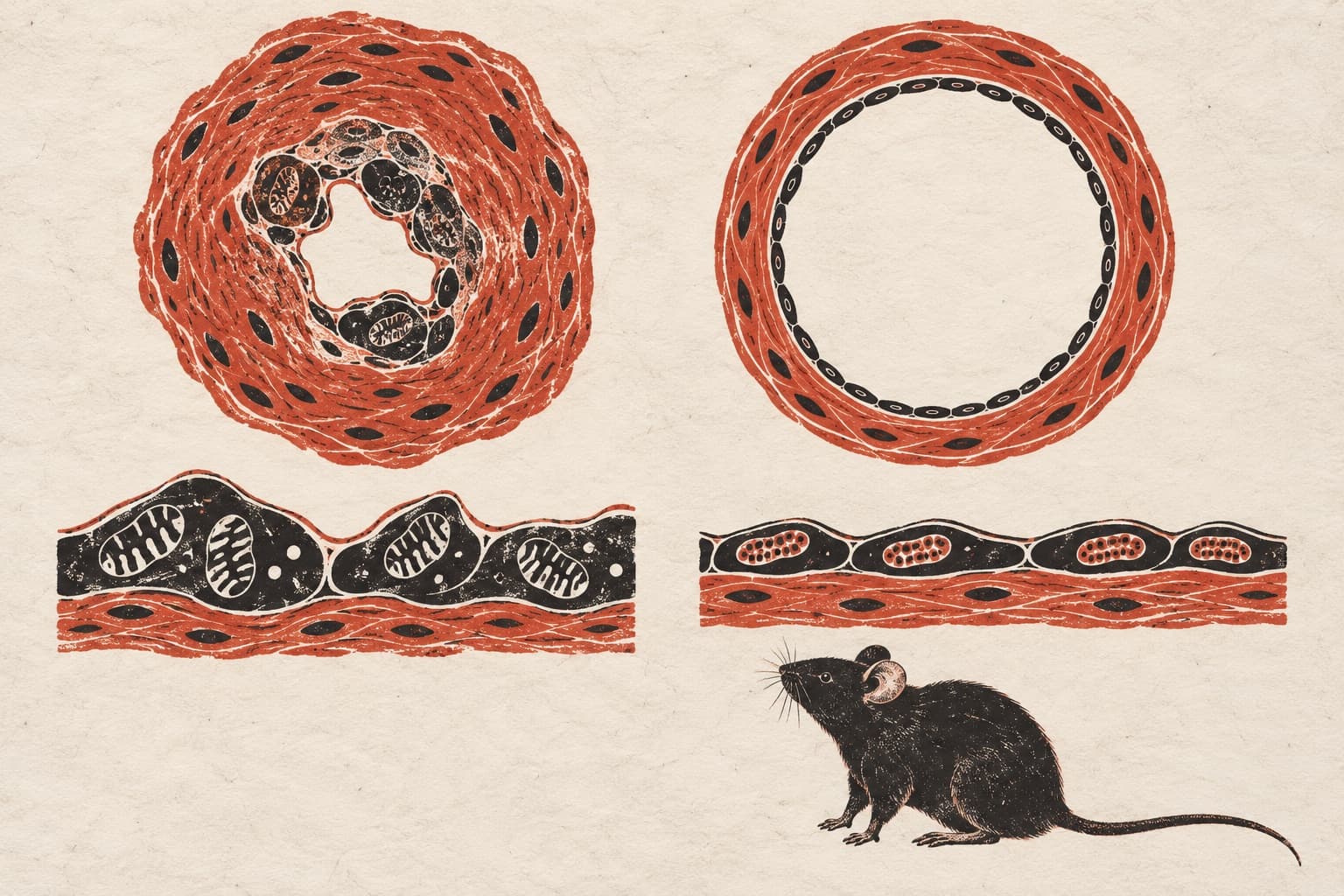
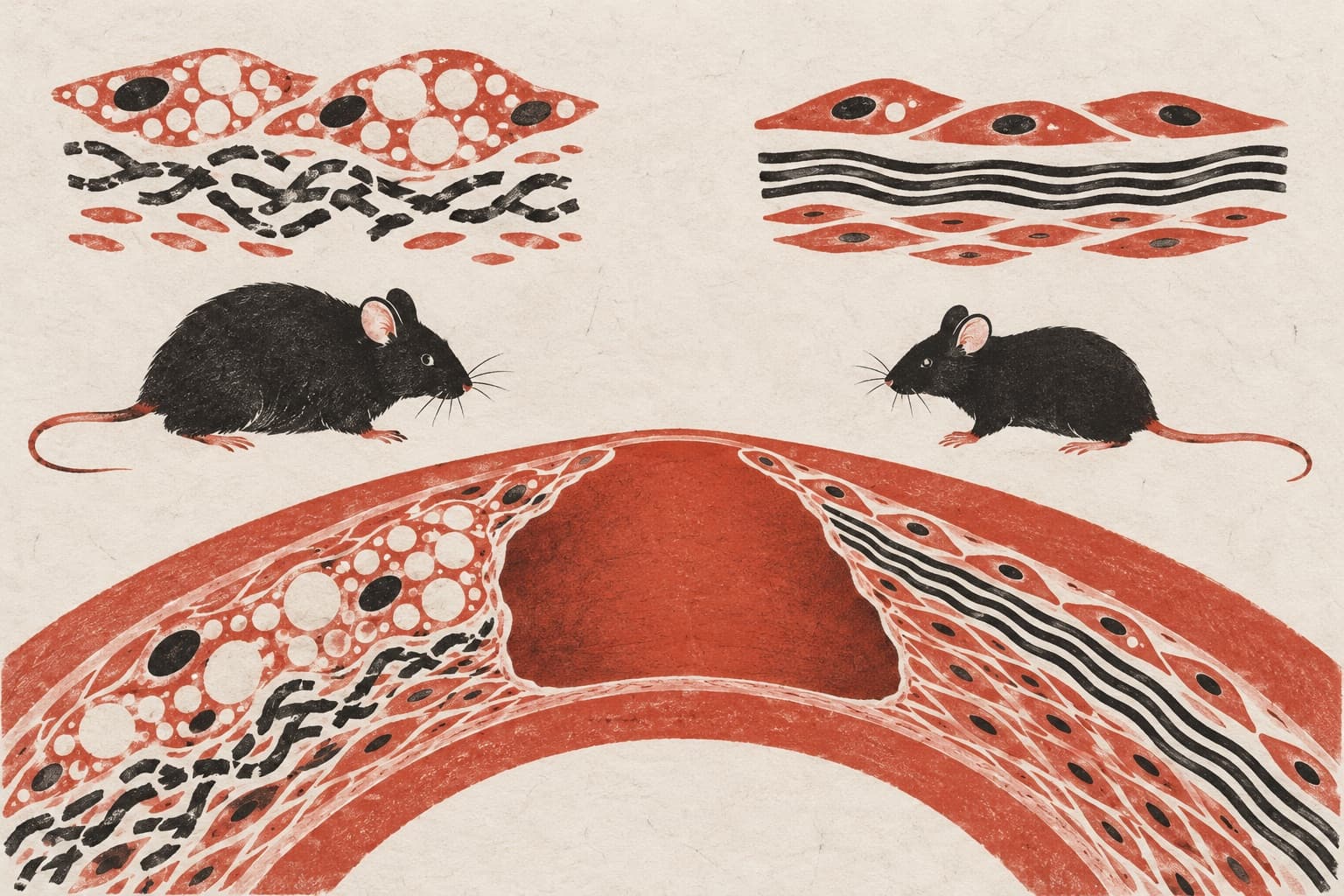
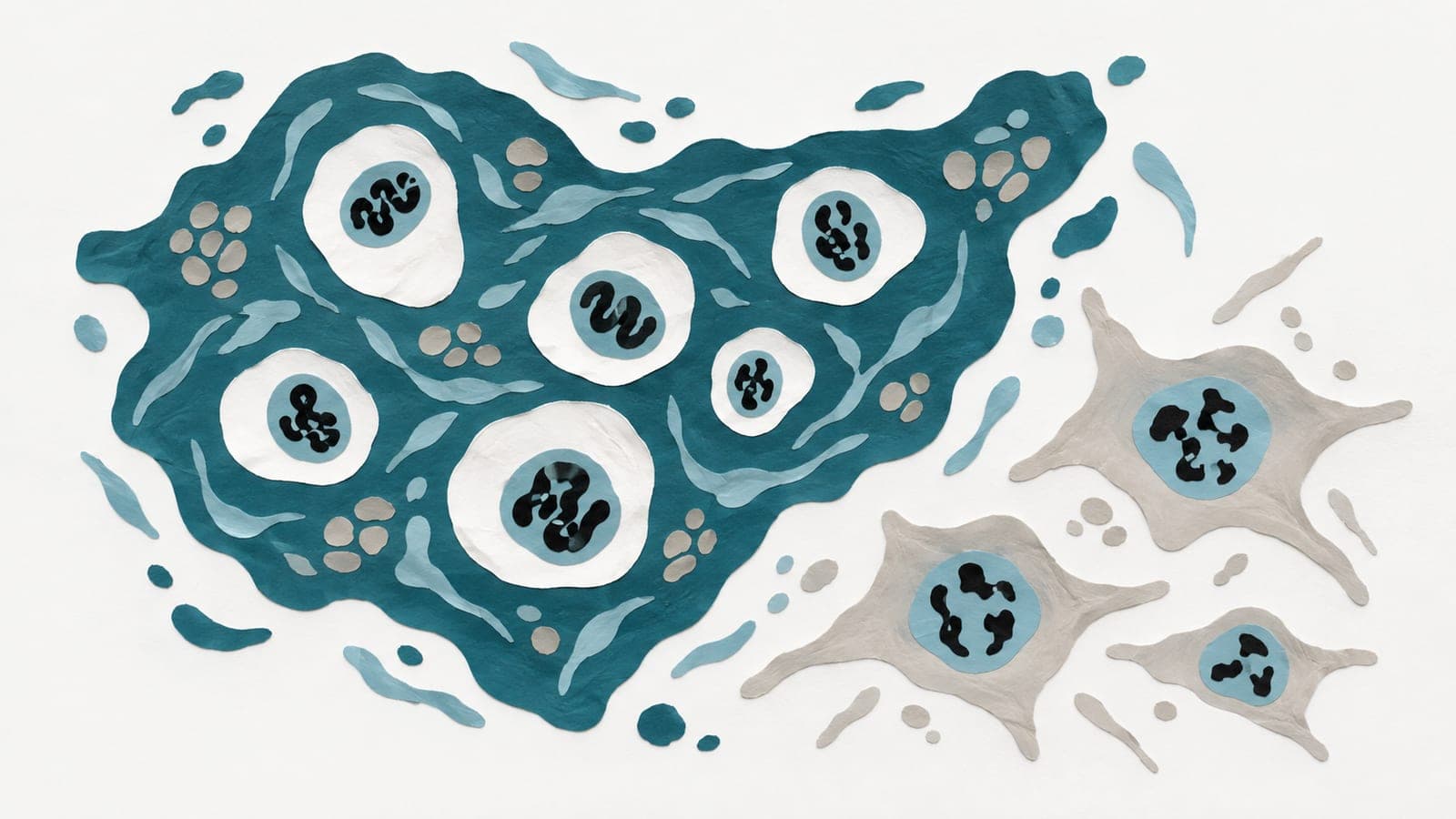
The kidneys are highly metabolically active organs that undergo a progressive, intrinsic decline in renal function with aging, a process that can be further exacerbated by chronic exposure to oxidative stress, inflammation, hypertension, and various toxins. Studies have shown that the prevalence of acute kidney injury and chronic kidney disease is significantly higher in the elderly. This suggests that the age-related reduction in baseline renal function, rather than advanced age itself, increases the susceptibility to and severity of these disorders after nephrotoxic insults. We comprehensively discuss the emerging recognition of shared molecular and cellular mechanisms underpinning fibrosis and cellular senescence, 2 hallmark features of functional decline seen in renal aging, acute kidney injury, and chronic kidney disease, as well as proposing the interconnection between these events. Furthermore, we highlight therapeutic strategies aimed at mitigating kidney damage and counteracting the effects of aging. These include lifestyle modifications, small-molecule inhibitors, and senotherapeutic approaches such as senolytics and senomorphics. Overall, this work aims to establish a foundation for understanding the pathogenesis of renal aging and related diseases, while also identifying promising avenues for effective therapeutic intervention. SIGNIFICANCE STATEMENT: Cellular senescence and fibrosis intersect in renal aging, acute kidney injury, and chronic kidney disease, highlighting shared pathways that may be targeted to slow disease progression and providing insights into the underlying mechanisms, current interventions, and future strategies for age-related kidney disorders.
- Lifestyle modifications
- Senolytics
- Cellular senescence
- Extracellular matrix remodelling
- Acute kidney injury
- Chronic kidney disease
The paper
Soonchunhyang University
Pharmacological Reviews, 19 Jun 2026