Senescence-associated loss of intestinal α1,2-fucose disrupts a modifiable host-microbiome homeostasis axis in people with HIV
Abstract
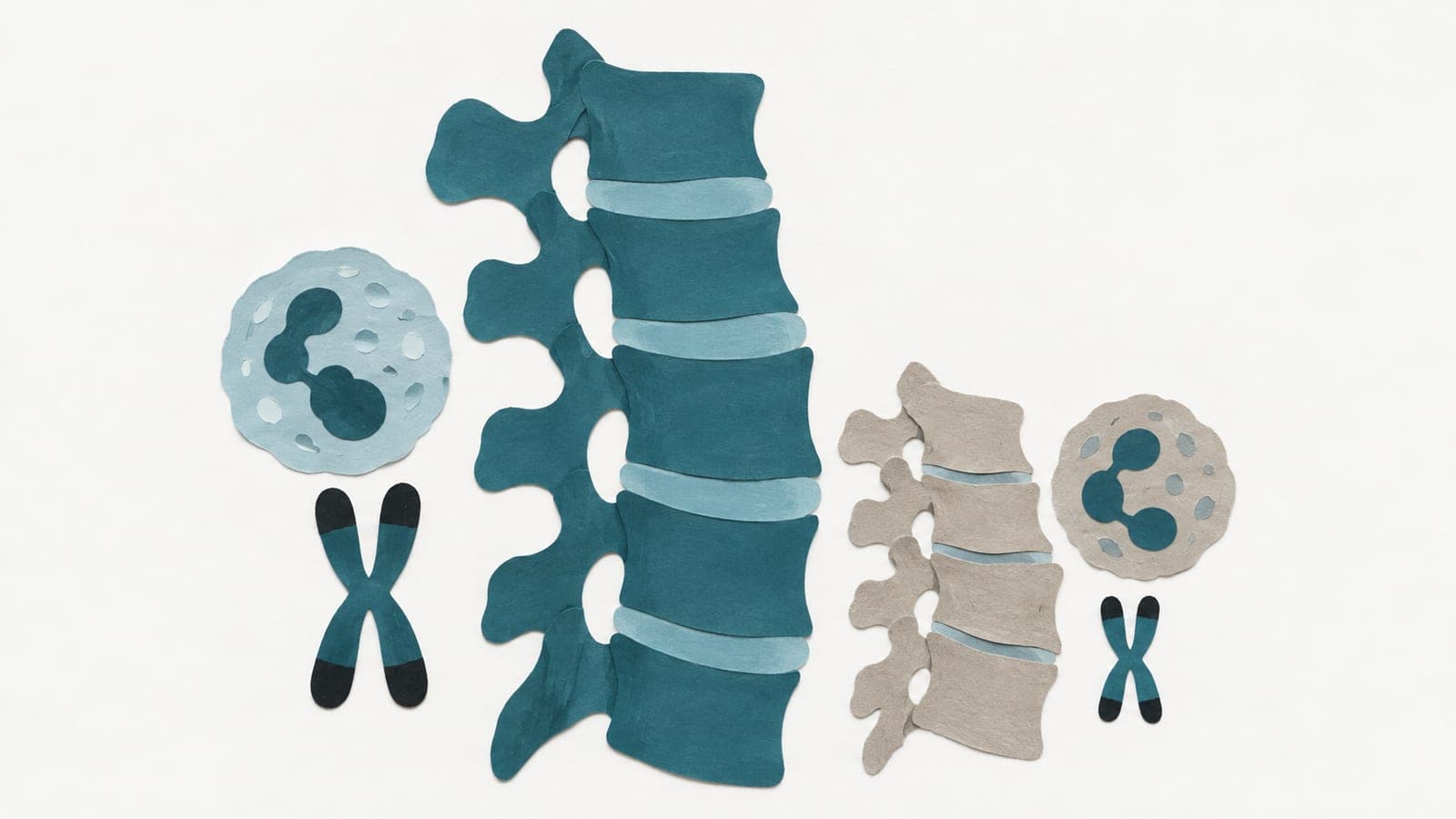
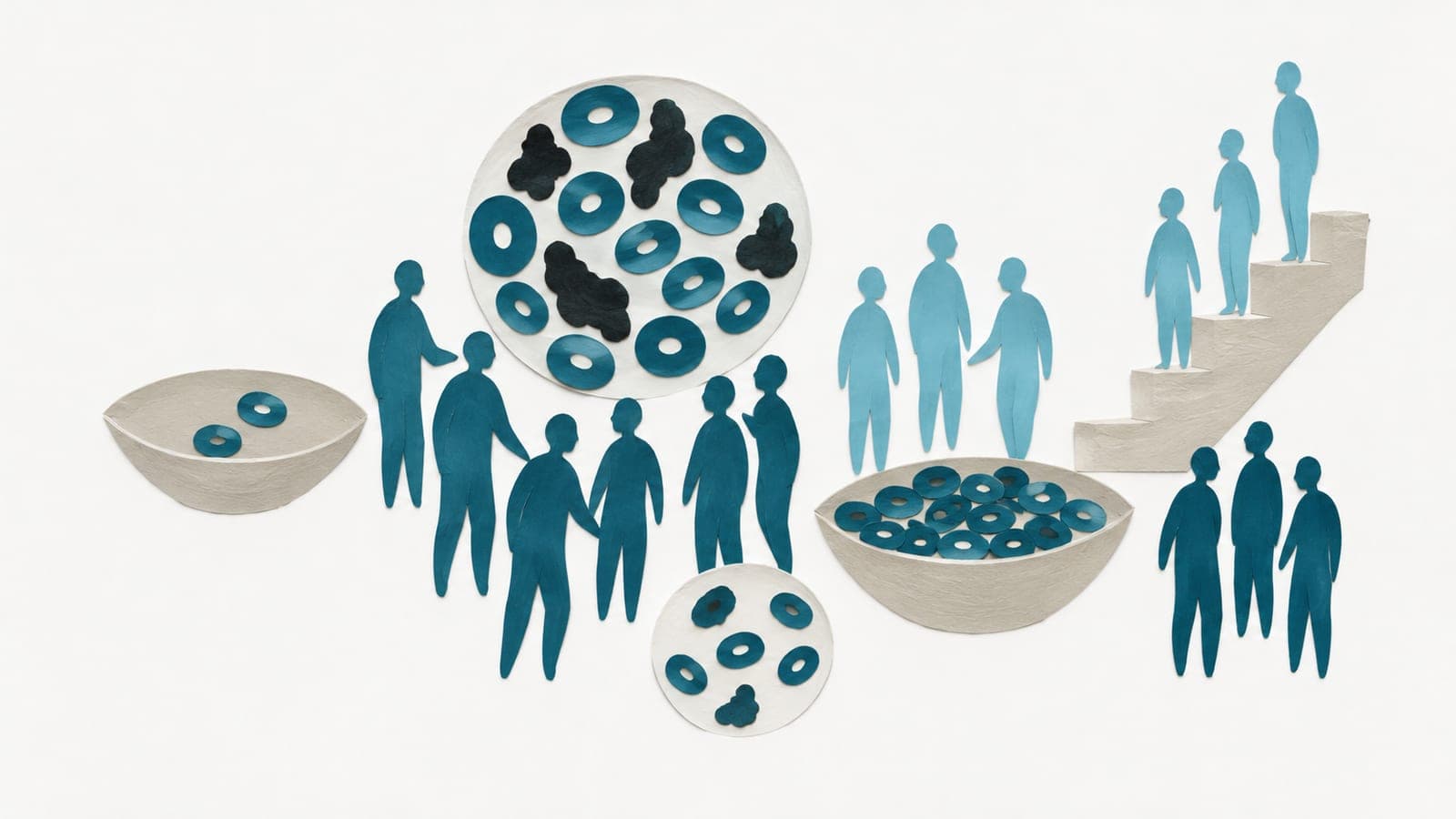
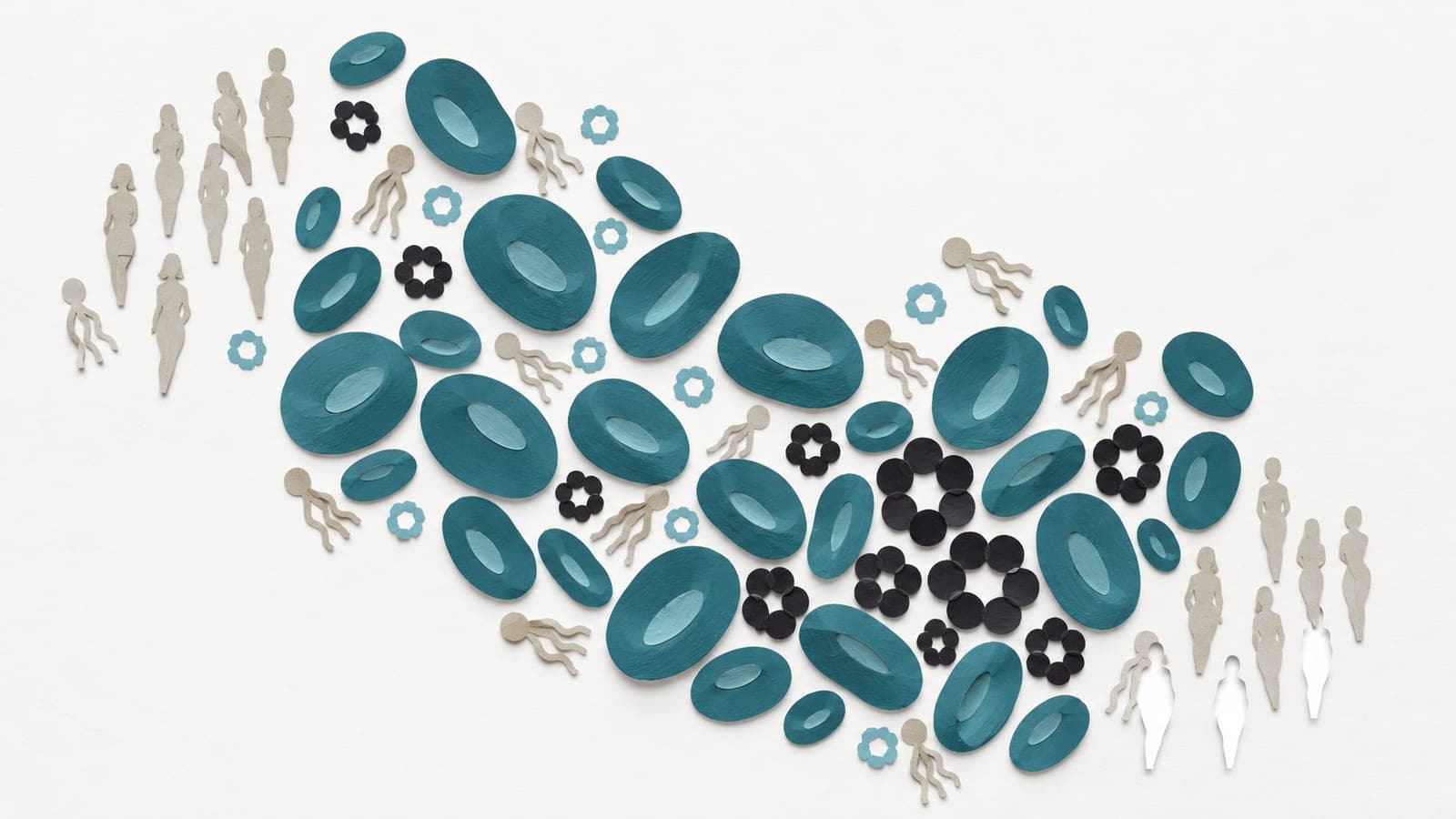
BACKGROUND: People with HIV (PWH), despite effective antiretroviral therapy (ART), experience disrupted intestinal homeostasis characterized by microbial dysbiosis and impaired intestinal barrier integrity, which contribute to chronic inflammation and aging-associated comorbidities. However, tractable mechanisms contributing to this dysfunction remain poorly defined. OBJECTIVE: To determine whether acquired loss of intestinal α1,2-fucose, a host-derived intrinsic prebiotic glycan that supports colonization by short-chain fatty acid (SCFA)-producing bacteria essential for intestinal barrier integrity, contributes to microbiome disruption, impaired epithelial resilience, inflammation, and biological aging in PWH. DESIGN: Ileal and colonic biopsies, isolated crypts, stool, and blood from PWH on ART and controls underwent multi-omic analyses. Findings were mechanistically interrogated using stool anaerobic fermentation assays and 3D intestinal organoid models of stress-mediated epithelial disruption. RESULTS: In intestinal tissues, PWH exhibited reduced α1,2-fucosylation and increased senescence-associated expression of the fucose-degrading enzyme α-L-fucosidase. Lower α1,2-fucose tracked with depletion of SCFA-producing bacteria, increased inflammation, and premature biological aging. In anaerobic fermentations, stool from PWH produced fewer SCFAs than controls, whereas supplementation with the human-milk-oligosaccharide-derived α1,2-fucose donor 2'-fucosyllactose restored SCFA production and improved intestinal organoid resilience to stress-mediated disruption. CONCLUSION: These findings identify acquired loss of intestinal α1,2-fucose as a modifiable host-microbiome mechanism linking epithelial senescence, microbial metabolic dysfunction, impaired barrier resilience, inflammation, and biological aging in treated HIV infection.
The paper
Northwestern University
bioRxiv, 10 Jul 2026, Open access, Preprint, not peer-reviewed