Resveratrol lengthened young worms’ lives but shortened older ones’
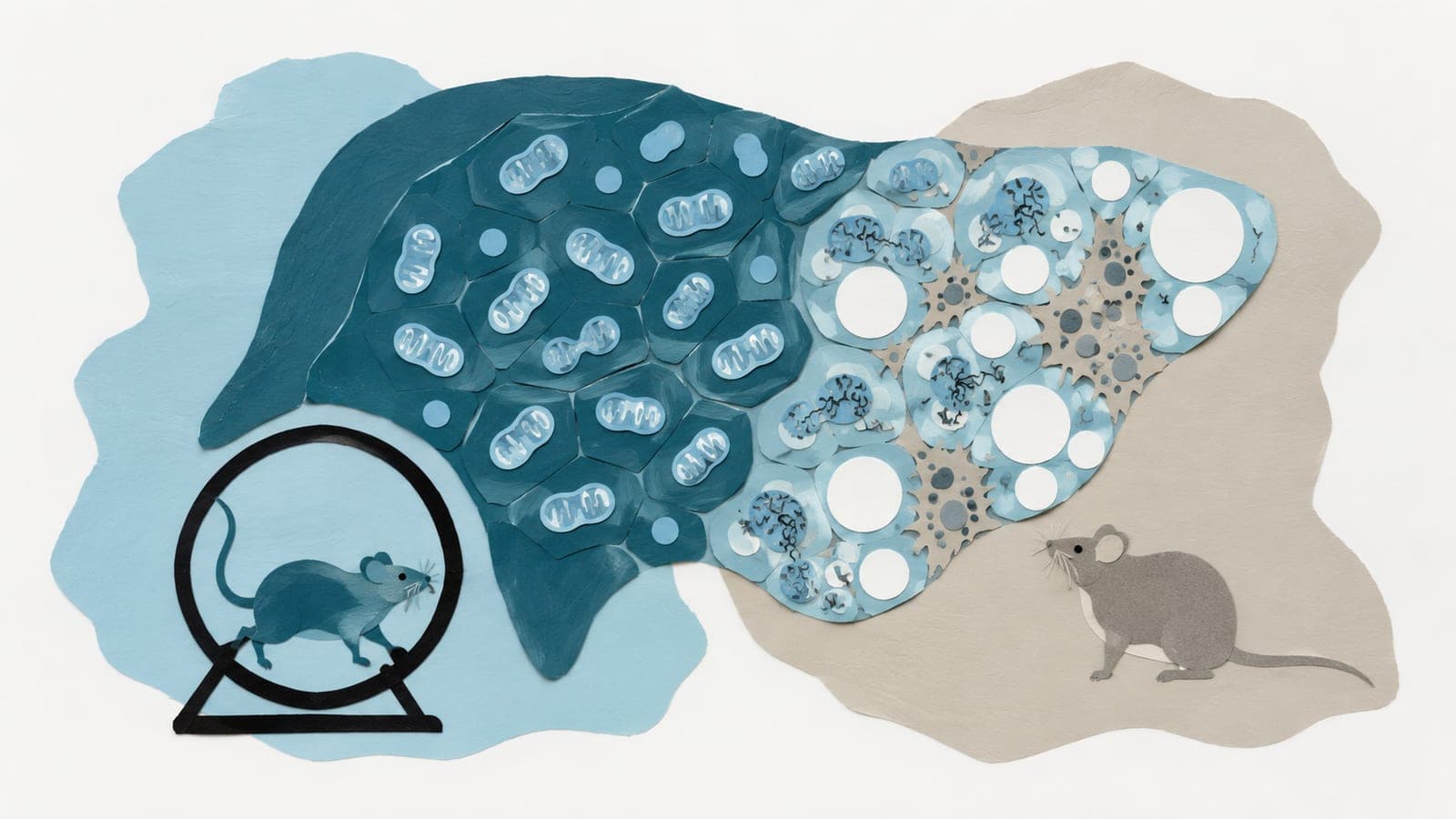
In worm experiments, four days of resveratrol improved healthy lifespan in early adulthood but worsened it in middle age.
Limit: Treatment covered four consecutive days; longer dosing regimens were not evaluated
Edited by Boris Djordjevic · AgingResearch.News
In experiments with Caenorhabditis elegans worms, researchers tested resveratrol, a compound with antioxidant properties, at two adult ages. They gave it for four consecutive days, on adult days 1–4 or 8–11. Early exposure lengthened lifespan and healthspan—the period of healthy life—and reduced reactive oxygen species, chemically reactive molecules containing oxygen. Later exposure worsened all three outcomes.
Genetic experiments implicated a three-gene pathway involved in antioxidant defenses. Disrupting any of these genes eliminated the opposing responses. The authors concluded that age-related differences in how these genes were regulated likely underlay resveratrol’s contrasting effects. In separate experiments in human BJ fibroblasts, connective-tissue cells grown in the lab, resveratrol reduced markers of senescence, a state in which cells stop dividing, in normal cells but worsened them in cells made senescent with a chemical called D-galactose.
Why it matters
The authors argued that developing safer, more effective interventions aimed at aging requires understanding how responses to drugs vary with age.
Caveats
The lifespan findings came from worms, not people. The human-cell experiments measured markers of senescence, not effects on human health or lifespan.
Resveratrol is part of David Sinclair's daily regimen in LifespanMore supplements
The paper
Guangxi Medical University
Free Radical Biology & Medicine, Jul 15, 2026