Resveratrol reversed some toxin effects in lab-grown liver cells
Experiments in human and pig liver cells found that resveratrol’s ability to reverse toxin-induced changes depended on the species and liver function measured.
Mechanisms of Ageing and Development
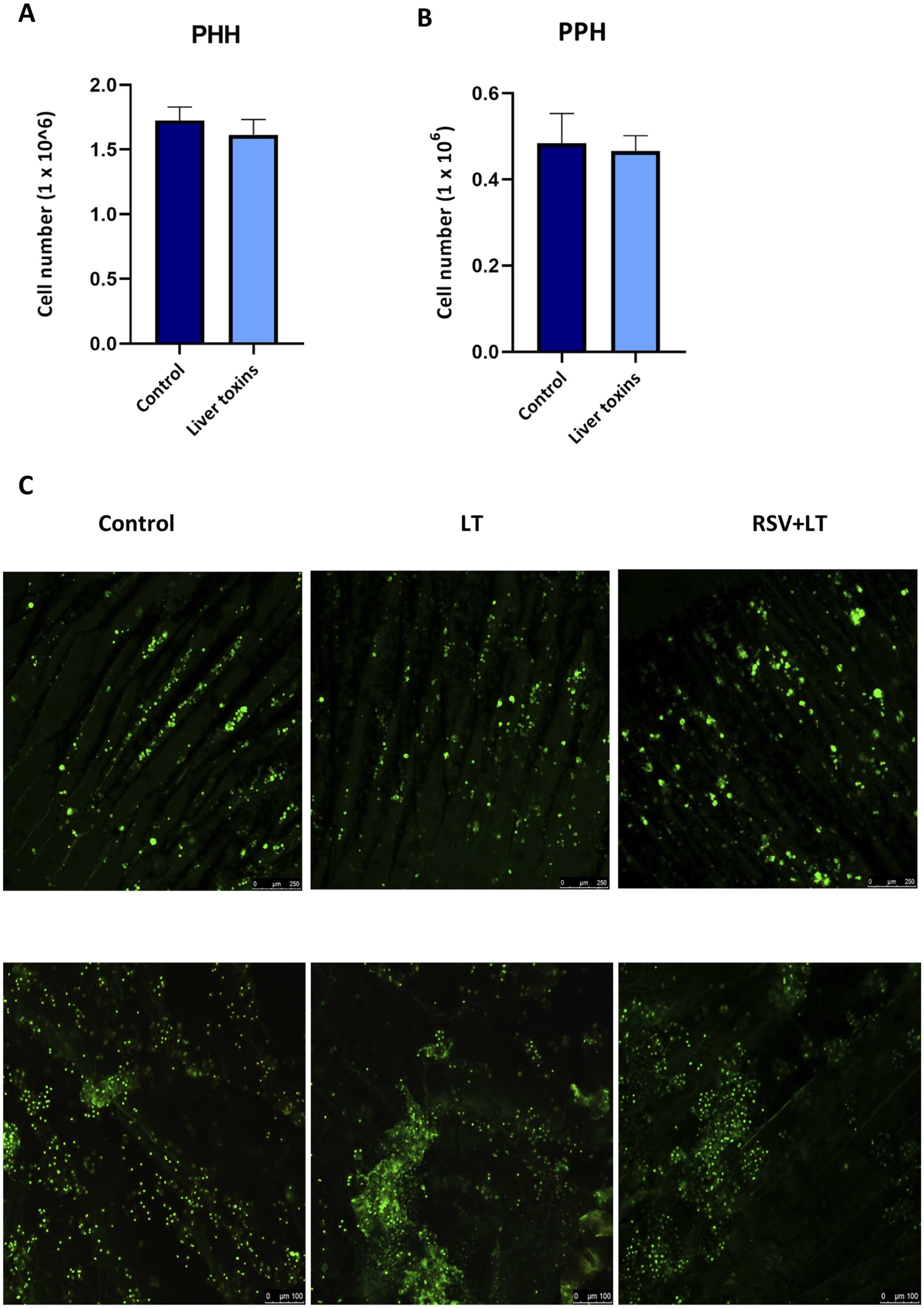
Experiments in primary human and pig liver cells grown in the lab tested naturally occurring toxins at concentrations typical of liver disease. Primary cells come directly from tissue, rather than established cell lines. The toxins induced senescence, a state in which cells stop dividing. The cells also lost production of albumin, a liver-made protein, and urea, a waste product.
Resveratrol at a concentration of 5 micromolar reversed toxin-induced changes, but its effects depended on the species and function measured. Analyses found increased activity of genes involved in stress and inflammation and reduced activity of genes involved in liver metabolism. Reference datasets from diseased, but not healthy, livers contained a gene-activity pattern consistent with this form of senescence.
Why it matters
Liver dysfunction becomes more common with aging, allowing naturally occurring toxins to build up in the blood. The work suggests that toxin-induced senescence may contribute to eventual liver failure.
Caveats
The resveratrol results came from cells grown in the lab, not from treatment in people. The experiments did not test whether resveratrol could delay liver failure.
The paper
Resveratrol protects primary hepatocytes against senescence induced by endogenous toxic metabolites
Show 2 more authors
Nathan A Davies, Naomi Baker,University of Brighton
Mechanisms of Ageing and Development · 6 Oct 2026