Polyamine-mediated inhibition of ferroptosis contributes to geroprotection
Abstract
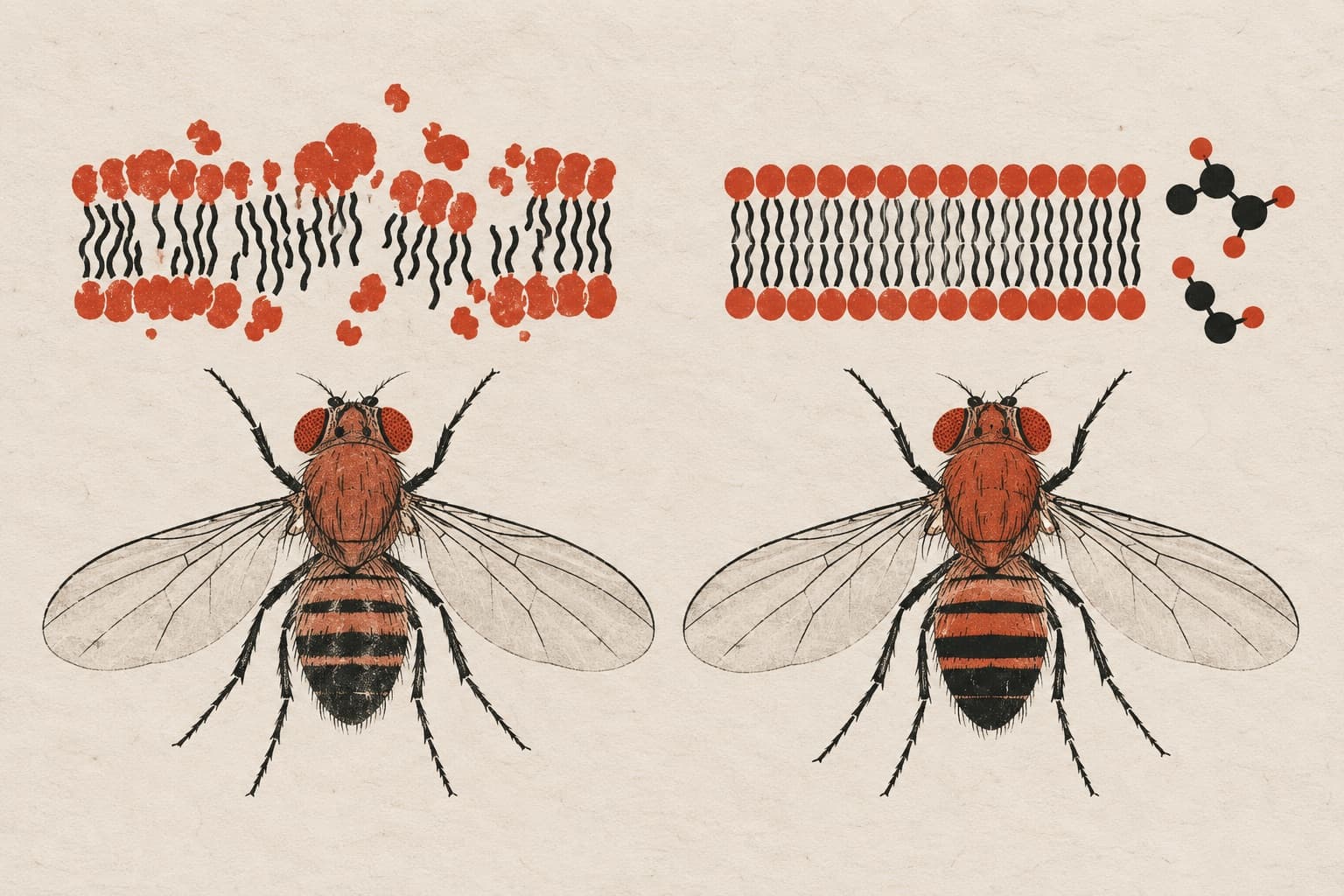
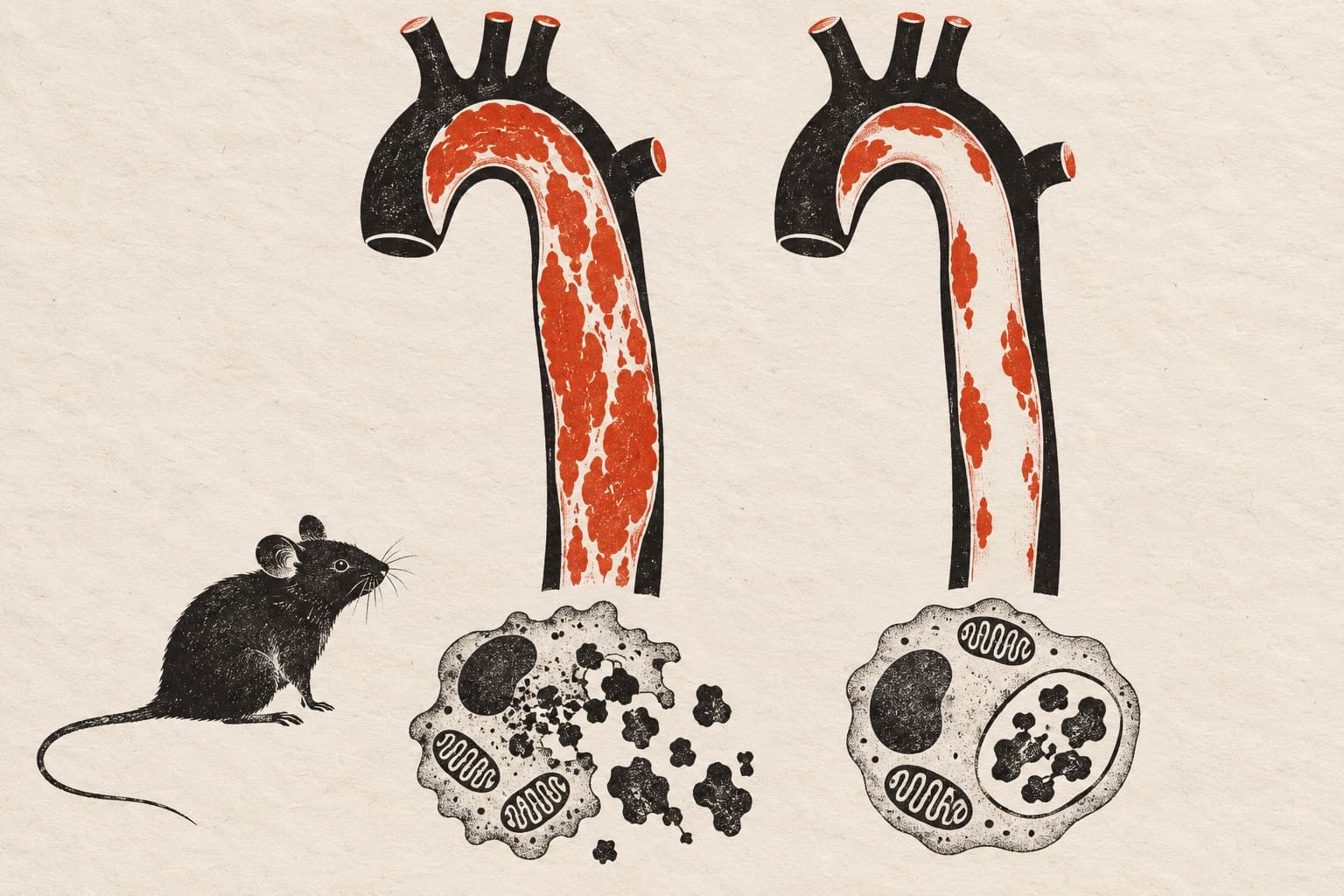
Geroprotection aims at extending healthspan by delaying age-associated pathologies. Polyamines including spermine and spermidine are interconvertible metabolites whose longevity-promoting effects have traditionally been attributed to autophagy induction. In addition, recent evidence identifies spermine as an endogenous Fe²⁺ chelator that suppresses ferroptosis, thereby complementing the autophagy-inducing activity of spermidine. Indeed, spermidine inhibits EP300 acetyltransferase activity and supports hypusination-dependent activation of TFEB, both leading to autophagy. However, enhanced autophagic flux may increase susceptibility to ferroptosis through ferritinophagy and lipid remodeling. In parallel, polyamine catabolism generates H₂O₂ and acrolein, both of which facilitate lipid peroxidation and ferroptotic demise. The discovery that spermine directly chelates redox-active Fe²⁺ closes a conceptual gap by explaining how polyamine supplementation can promote longevity while avoiding excessive ferroptotic cell loss. Multiple lines of evidence including metabolomics, isotope tracing, cell-free lipid peroxidation systems, Fe²⁺-binding biophysics, mass spectrometry, Raman spectroscopy, nuclear magnetic resonance and disease models demonstrate that spermine limits labile iron and ferroptosis. Together, these findings support a unified model in which spermidine-driven autophagy and spermine-mediated ferroptosis inhibition cooperate to preserve tissue homeostasis and healthspan.
The paper
University of Graz; Centre National de la Recherche Scientifique
Cell Stress, Jul 3, 2026, Open access