The role of cellular senescence in metabolic dysfunction-associated steatotic liver disease
Abstract
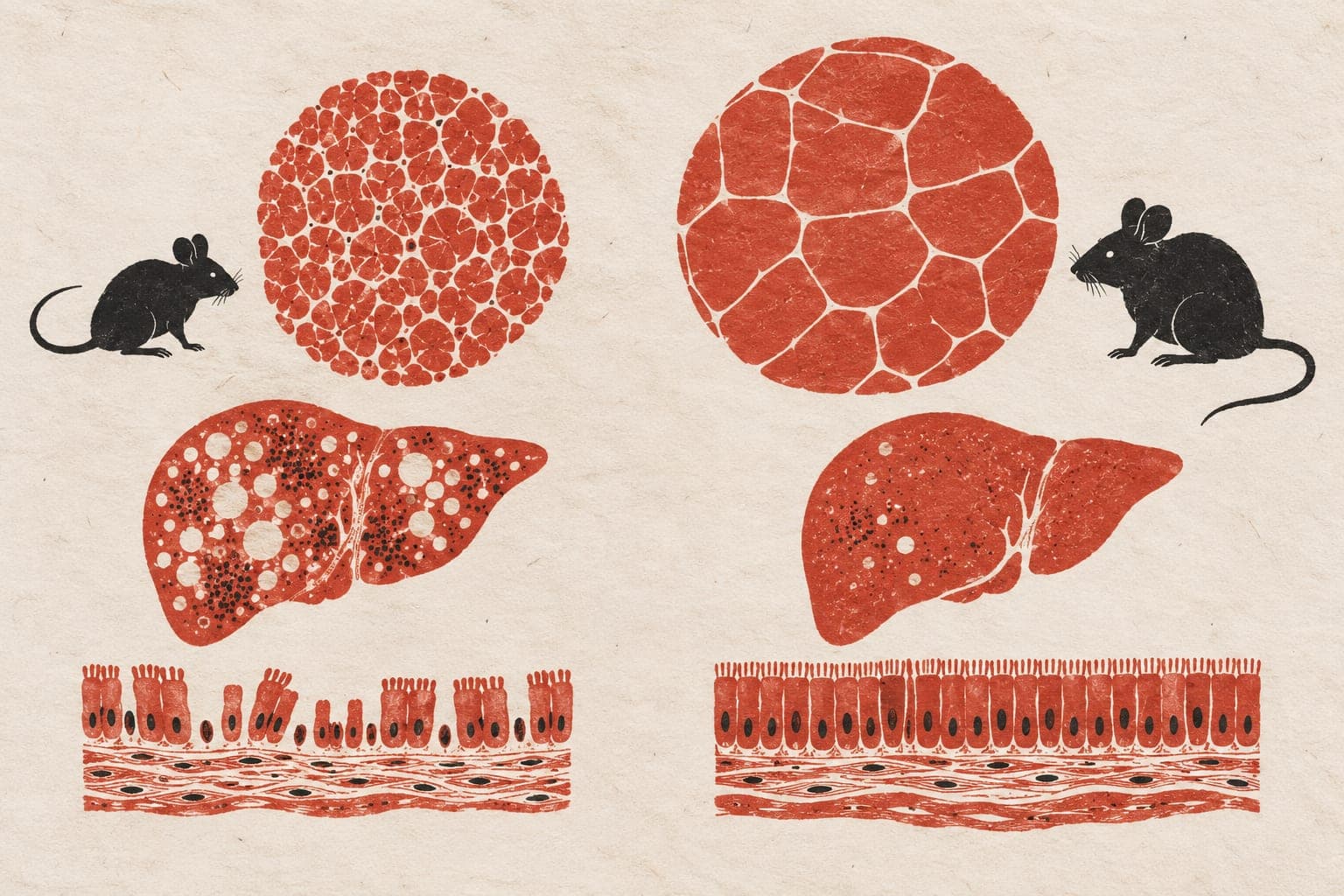
Metabolic dysfunction-associated steatotic liver disease (MASLD) has emerged as the most prevalent chronic liver disease worldwide, characterized by hepatic steatosis, inflammation, and progressive fibrosis. In recent years, cellular senescence, defined as an irreversible cell-cycle arrest accompanied by metabolic reprogramming and alterations in secretory phenotype, has been increasingly recognized as a key driver of MASLD initiation and progression. Current evidence indicates that senescence occurs not only in hepatocytes but also in a wide range of non-parenchymal cells, including hepatic stellate cells (HSCs), Kupffer cells, and liver sinusoidal endothelial cells (LSECs). These senescent cells collectively promote disease progression through cell type-specific mechanisms and intercellular communication. Accordingly, targeting cellular senescence has emerged as a promising therapeutic strategy for MASLD. Although senolytics, senomorphics, and immune-mediated clearance approaches have demonstrated potential in preclinical studies, their clinical translation remains challenged by cellular heterogeneity, target specificity, and safety concerns. This review systematically summarizes the key features and biomarkers of cellular senescence, elucidates its mechanistic roles and cell type-specific functions in MASLD, and evaluates current senescence-targeting therapeutic strategies, thereby providing a conceptual framework for future clinical translation.
- Immune-mediated clearance
- Senolytics
- Senomorphics
- Cellular senescence
- Metabolic dysfunction-associated steatotic liver disease
- Hepatic steatosis
The paper
South China Normal University
Cytokine & Growth Factor Reviews, 9 Jul 2026