Single‑cell atlas reveals a Wilms' tumor 1‑mediated axis driving granulosa cell senescence in human ovarian aging
Cohort study
Abstract
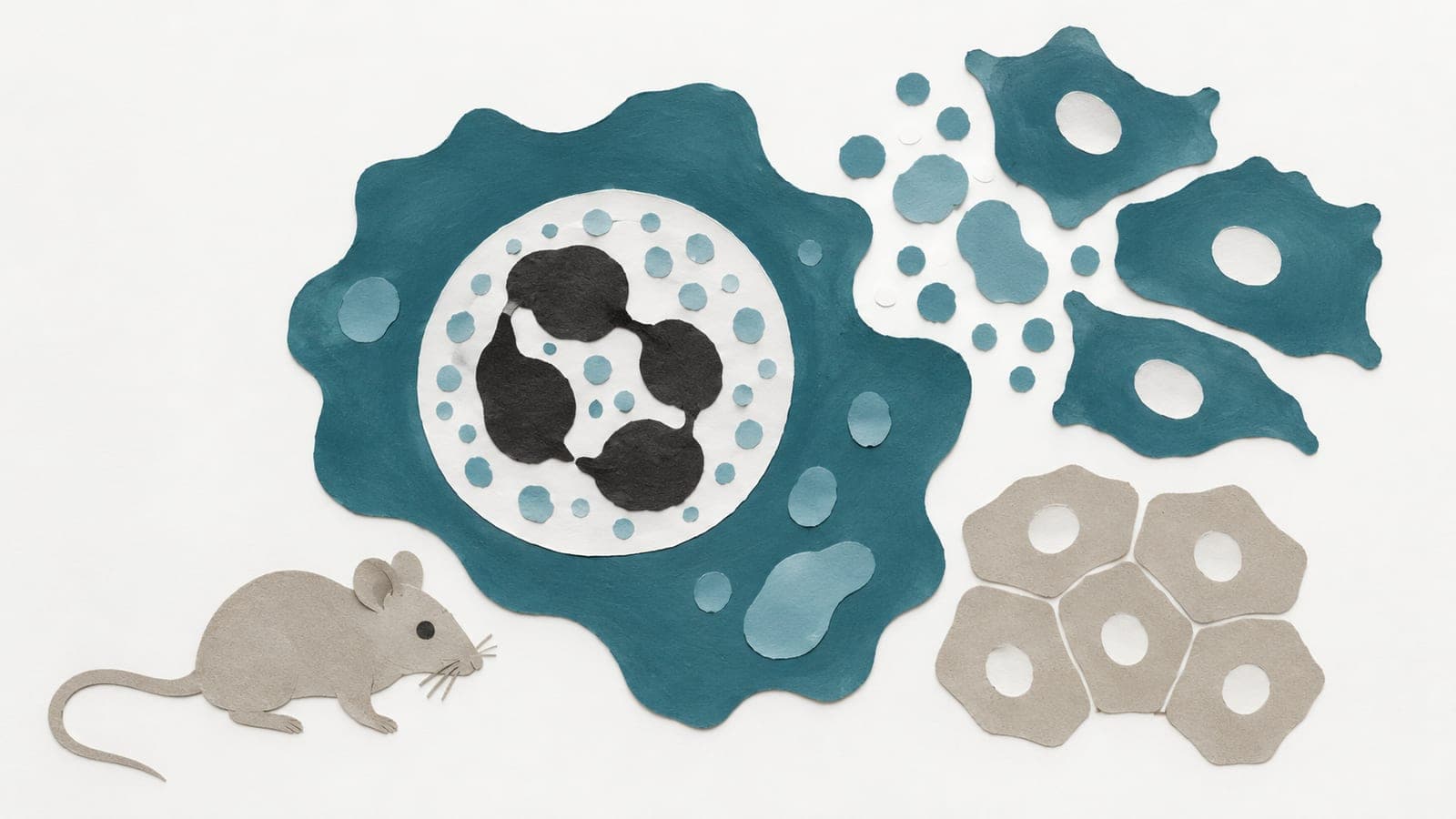
Ovarian aging is a key cause of reproductive decline in women. Chronic inflammation and granulosa cell (GC) senescence are implicated in this process; however, the underlying cell‑type‑specific changes and regulatory mechanisms remain incompletely understood. The present study thus aimed to provide insight into these mechanisms. For this purpose, publicly available single‑cell transcriptomic data from human ovarian tissues in the Gene Expression Omnibus database (GSE202601) were analyzed, including four young donors (23‑29 years of age) and four aged donors (49‑54 years of age). Following quality control and integration, clustering, CellChat, pseudotime and SCENIC analyses were performed to define age‑related changes in cellular composition, intercellular communication and transcriptional regulation. Key findings were further supported by complementary in vivo and in vitro experiments in the ovaries of young and aged mice and primary GCs. Integrated analysis revealed marked age‑related shifts in ovarian cellular composition, including the enrichment of a pro‑inflammatory NLRP3+ macrophage subpopulation and a senescence‑associated GC subtype in aged ovaries. Cell‑cell communication analysis suggested enhanced immune‑endocrine crosstalk in aged ovaries, with increased IL‑1β‑IL‑1R1 signaling between macrophages and GCs. Pseudotime and transcriptional regulatory network analyses identified Wilms' tumor 1 (WT1) as a candidate transcription factor upregulated in aged GCs and positively associated with p21 expression, suggesting a potential role in senescence‑associated cell cycle arrest. Experimental validation further supported increased inflammatory signaling, oxidative stress and the activation of the WT1/p21 axis in aged ovaries. On the whole, these findings provide a high‑resolution single‑cell framework for understanding human ovarian aging and suggest that inflammatory signaling and WT1‑associated transcriptional reprogramming may contribute to GC senescence and ovarian functional decline.
The paper
Hebei Medical University
International Journal of Molecular Medicine, 10 Jul 2026, Open access