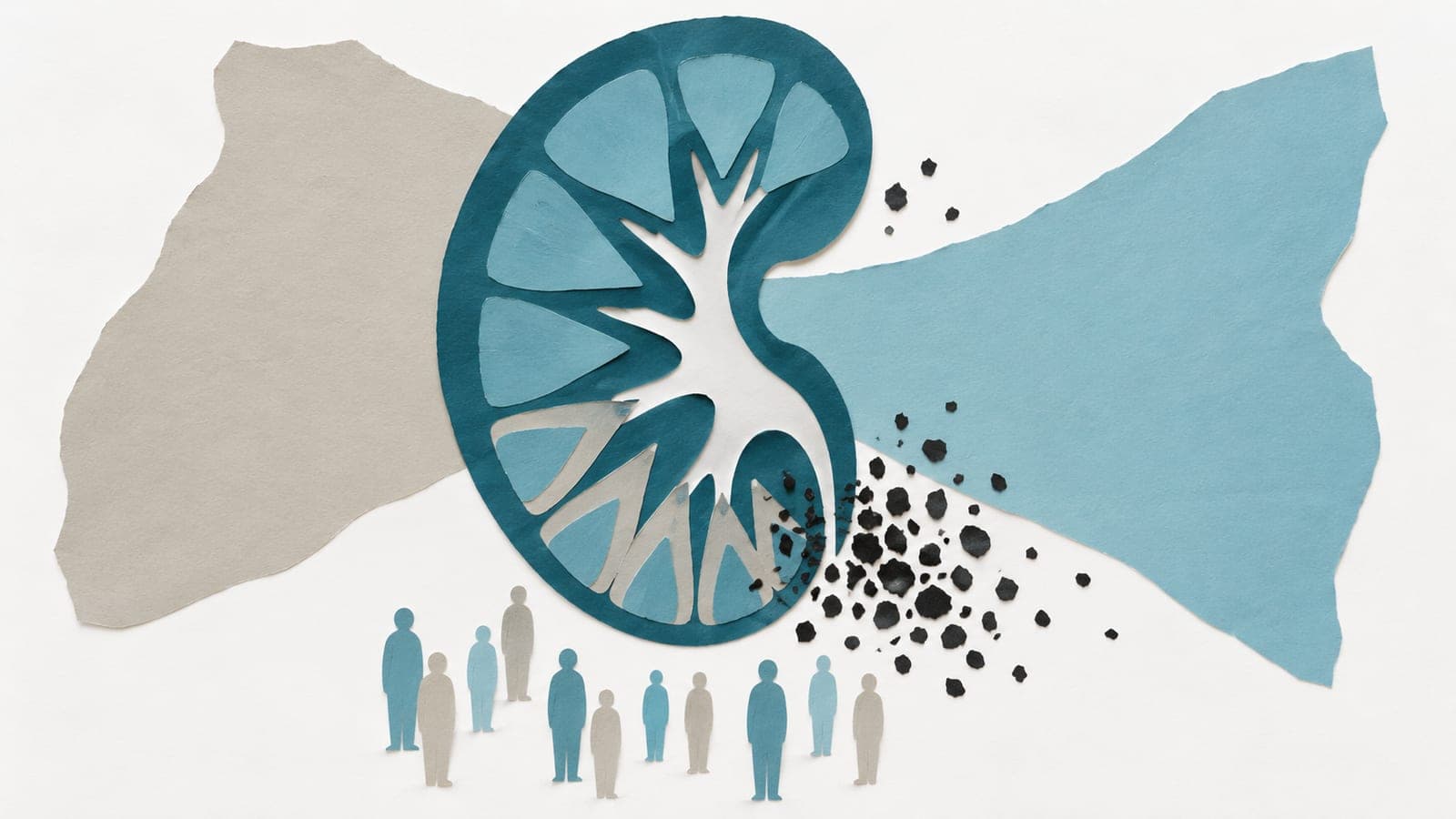
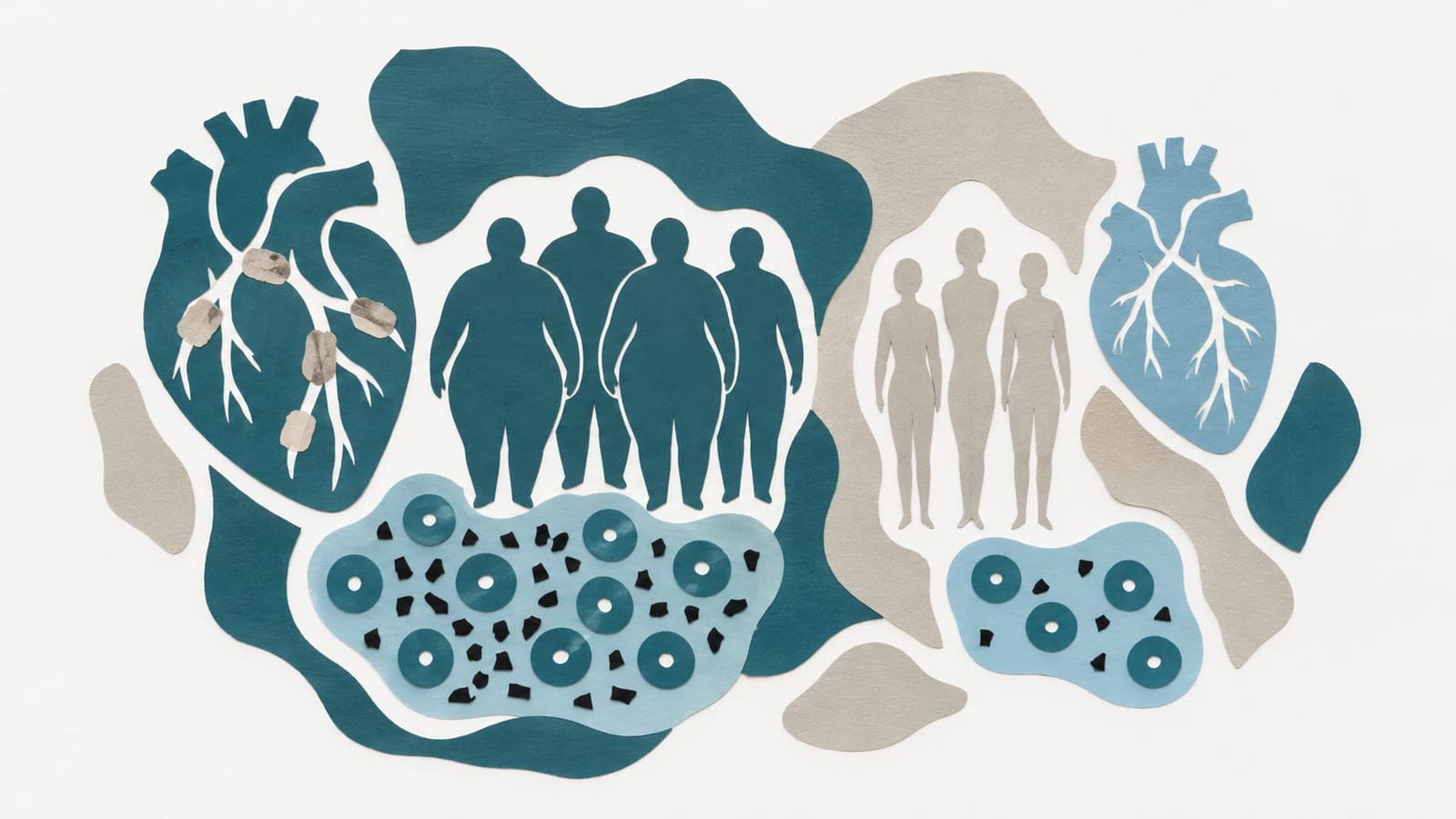
Life-course metabolic vulnerability and chronic kidney disease risk after early-life famine exposure in middle-aged and older Chinese adults
Abstract
BACKGROUND: Early-life undernutrition may increase susceptibility to chronic kidney disease (CKD), but whether adult metabolic burden modifies this association remains unclear. We examined early-life famine exposure and CKD among middle-aged and older Chinese adults using two complementary national cohorts. METHODS: We analyzed 7238 participants from the 2023 to 2024 China National Health Survey (CNHS) and 8273 from the China Health and Retirement Longitudinal Study (CHARLS). In CNHS, famine exposure was defined by birth cohort and prefecture-level cohort size shrinkage index, with age-balanced non-famine births as the reference group. Prevalent CKD was evaluated using Firth logistic regression and difference-in-differences models, including joint associations with adult meat consumption. In CHARLS, self-reported famine severity, waist circumference trajectories, and incident CKD were evaluated using Cox models. RESULTS: In CNHS, the famine-CKD association increased with regional famine intensity, with an interaction odds ratio of 1.04 per unit increase in cohort size shrinkage index (95% confidence interval, 1.01-1.07). Severe famine exposure combined with frequent meat consumption was associated with higher odds of prevalent CKD (odds ratio, 2.09; 95% confidence interval, 1.16-3.76). In CHARLS, severe famine exposure combined with a high-stable waist circumference trajectory showed the highest risk of incident CKD (hazard ratio, 1.75; 95% confidence interval, 1.05-2.91), with an increasing trend across famine severity mainly in this trajectory group. Cumulative diabetes partly mediated this association. CONCLUSIONS: Early-life famine exposure was associated with higher CKD risk, particularly among individuals with unfavorable adult metabolic profiles, supporting life-course metabolic vulnerability in CKD risk stratification.
The paper
Chinese Academy of Medical Sciences & Peking Union Medical College
The Journals of Gerontology, Series A, 7 Jul 2026