An Integrated Approach Reveals the Pre-Osteoblast-Driven Metrnl Synergizes With Circadian Genes to Inhibit Osteogenesis
Abstract
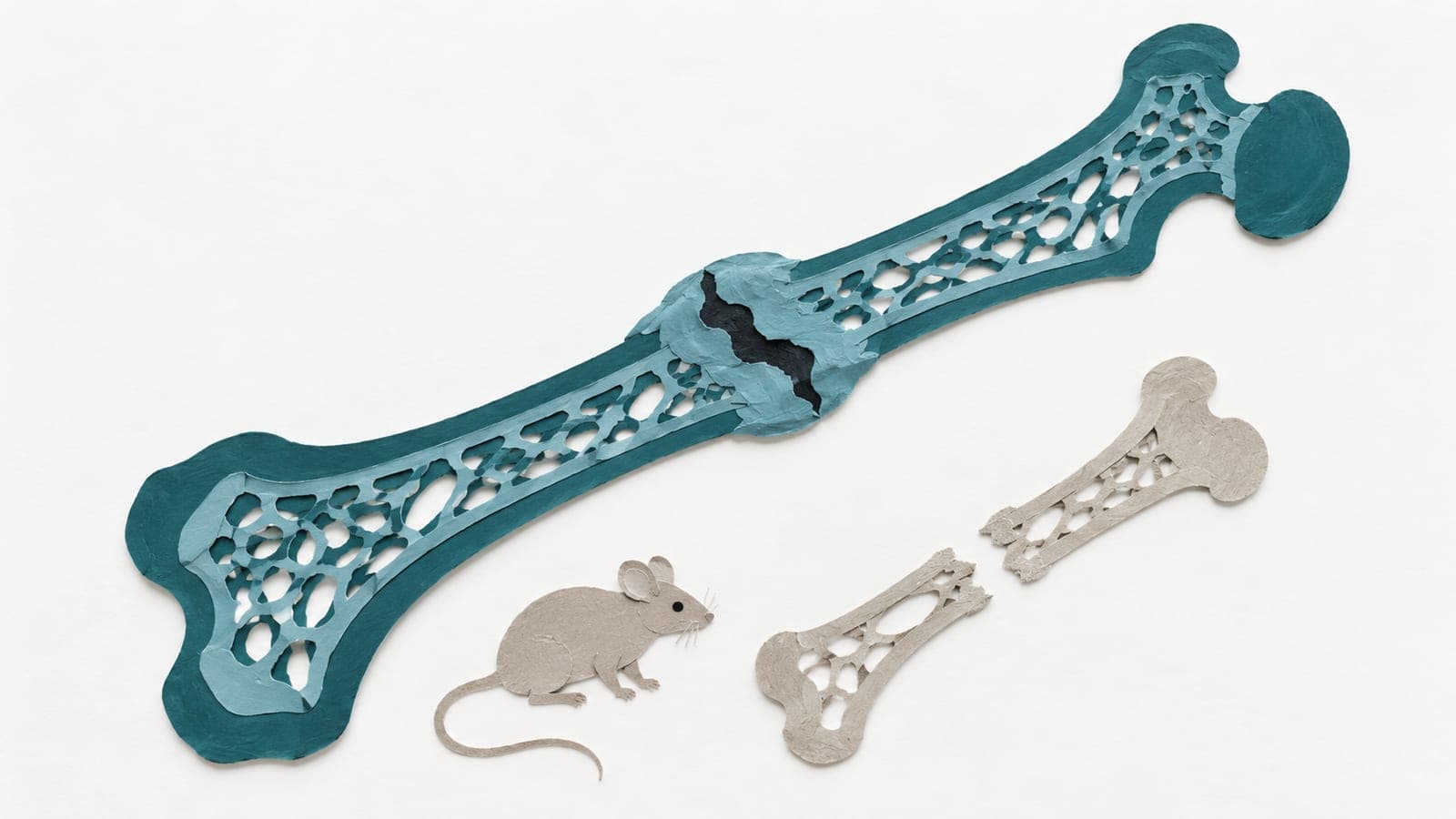
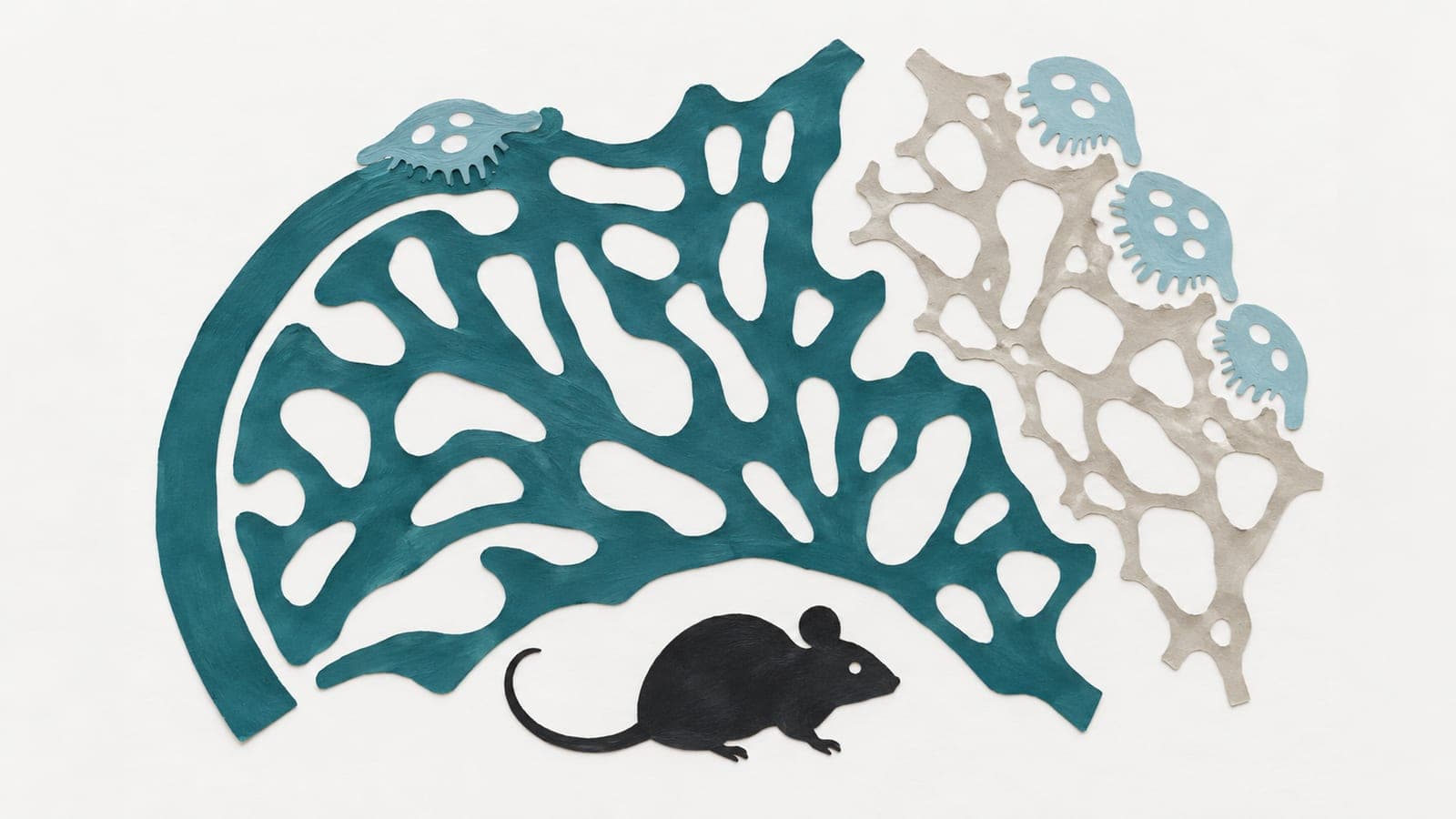
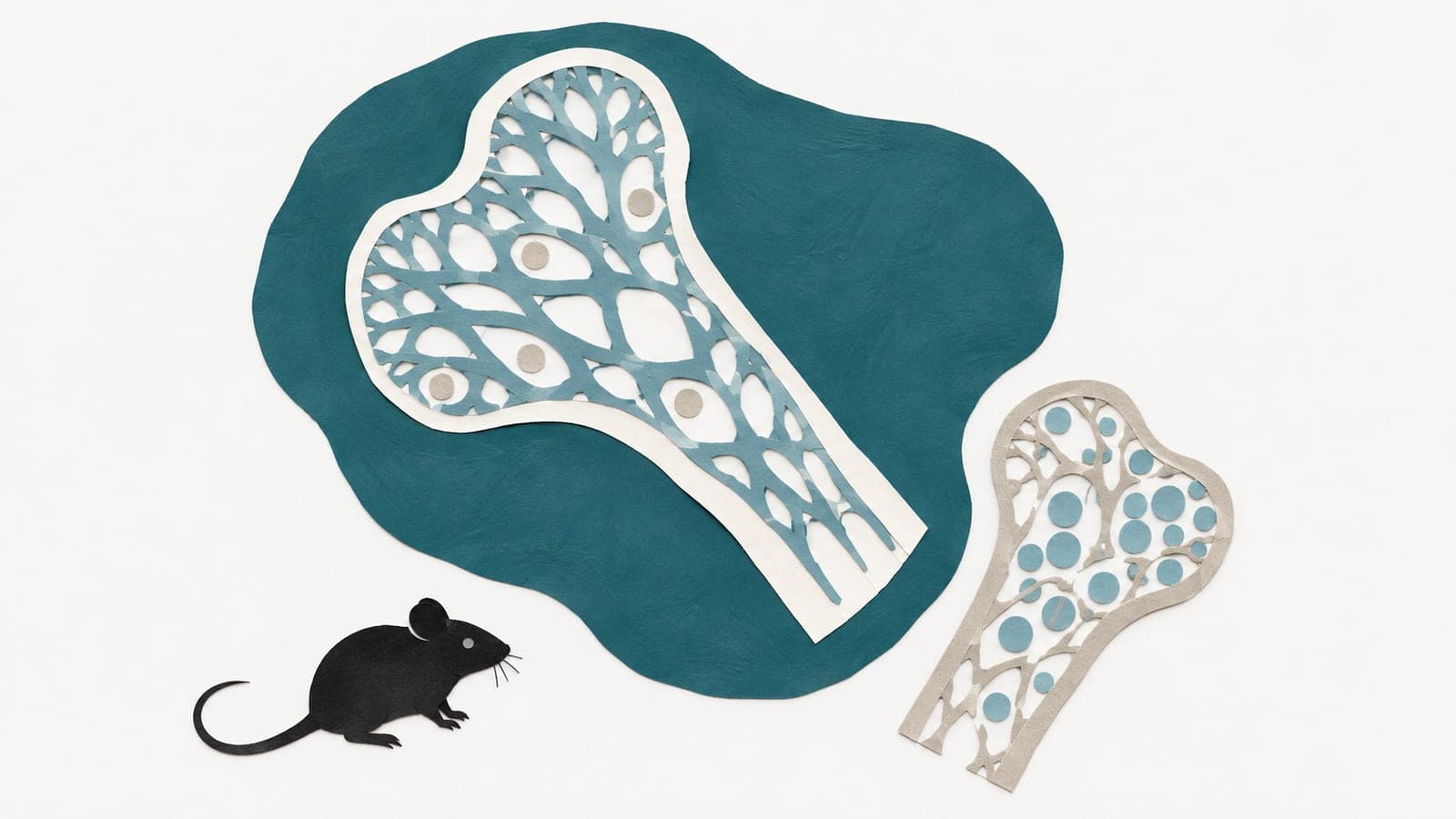
BACKGROUND: Current osteoporosis (OP) therapies predominantly suppress osteoclastic bone resorption, highlighting a critical unmet need for anabolic strategies that directly stimulate bone formation. Meteorin-like (Metrnl) is a recently identified adipokine whose role in bone metabolism remains poorly defined and controversial. This study systematically investigated the expression profile, physiological function, and molecular mechanism of Metrnl in skeletal biology. METHODS: An integrated approach combining clinical bone marrow specimen analysis, proteomics, single-cell RNA sequencing, and conditional genetic ablation mouse models was utilized. Skeletal phenotypes were evaluated via Micro-CT and bone histomorphometry. Intracellular molecular interactions were determined through co-immunoprecipitation and transcriptional activity assays. RESULTS: Clinically, Metrnl expression was significantly diminished in bone marrow samples from postmenopausal women with OP, suggesting potential relevance to human disease. In mice, Metrnl was predominantly expressed in osteoprogenitor cells, and its expression declined progressively with age. Unexpectedly, systemic knockout (n = 6 per group) of Metrnl resulted in a marked increase in trabecular bone mass (bone volume to total volume ratio [BV/TV]: 4.11 ± 0.08% vs. 3.89 ± 0.12%, p < 0.01) and bone formation rate (Bone formation rate per bone surface [BFR/BS]: 0.50 ± 0.03 vs. 0.38 ± 0.03 μm/day*100, p < 0.05) without affecting osteoclast activity. This anabolic phenotype was fully recapitulated in osteoblast-specific (Ocn-Cre) and osteoprogenitor-specific (Prx1-Cre) conditional knockout mice (n = 6 per group), which both exhibited significantly higher BV/TV (4.13 ± 0.06% and 4.04 ± 0.05%, respectively) compared to controls (3.88 ± 0.08%; p < 0.001 and p < 0.01, respectively), establishing a cell-autonomous inhibitory role of Metrnl in osteogenesis. Mechanistically, intracellular Metrnl directly interacts with the scaffold protein Receptor for activated C kinase 1 (Rack1), thereby disrupting the PKC-α-Rack1 complex, reducing Brain and Muscle ARNT-Like 1 (Bmal1) phosphorylation, and facilitating its nuclear translocation. This process subsequently upregulates transcription of the circadian clock gene Cryptochrome 2 (Cry2), thereby suppressing osteoblast differentiation. CONCLUSIONS: Collectively, these findings identify Metrnl as a previously unrecognized negative regulator of bone formation and uncover a Rack1-PKCα-Bmal1-Cry2 signaling axis that links circadian regulation to osteogenesis. These results establish a conceptual framework for targeting Metrnl-mediated pathways in the development of anabolic therapies for OP.
The paper
Shanghai Medical College of Fudan University
Frontiers in Bioscience, 24 Jun 2026, Open access