Cerebral Microvascular Injury and Physical Function in Older Patients With Atrial Fibrillation: Evidence for Sex-Specific Patterns
Abstract
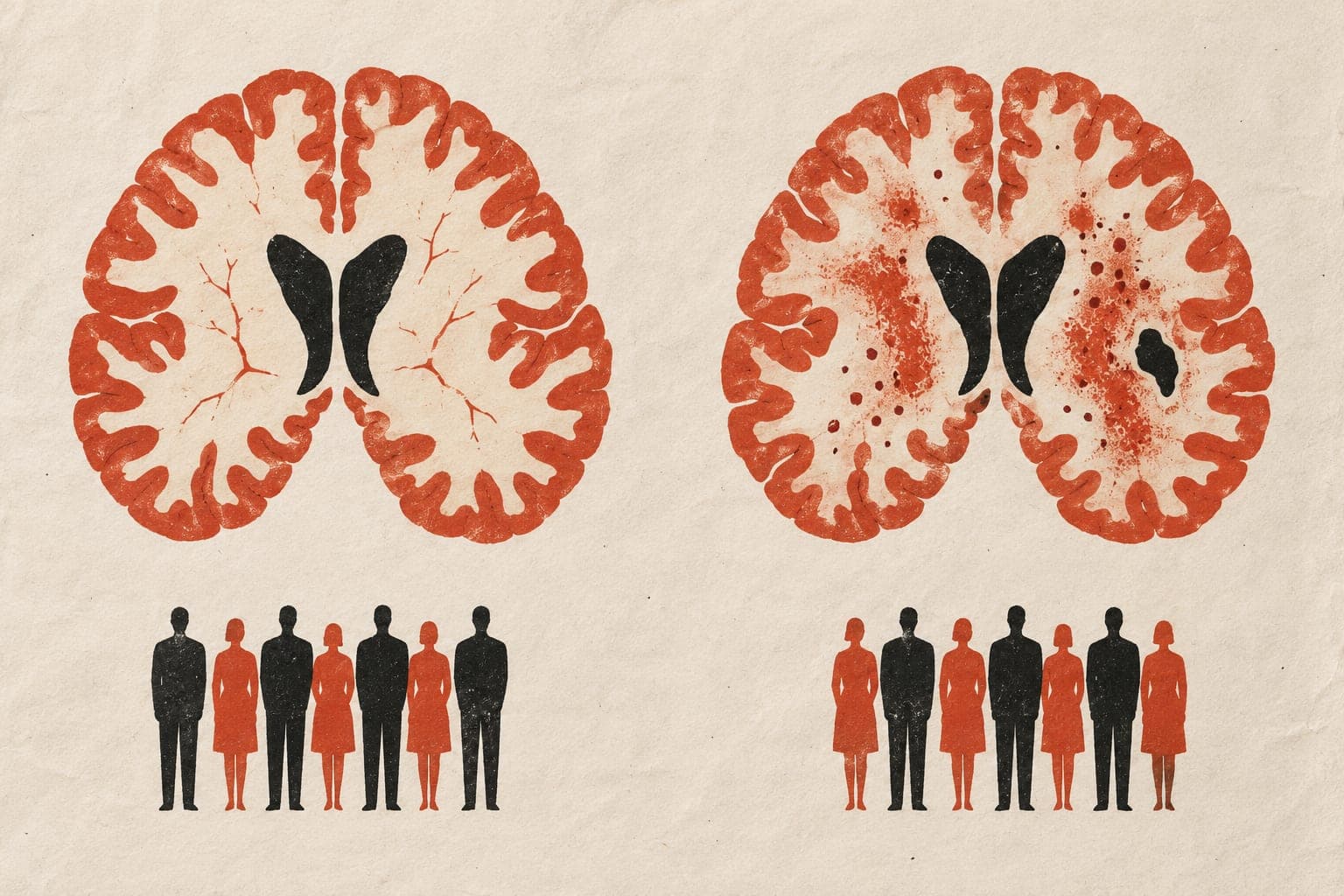
OBJECTIVES: Atrial fibrillation (AF) has been linked to cerebral small vessel disease (CSVD). This study examined the sex-specific differences in CSVD between patients with and without AF and the implications for cognitive and physical performance. DESIGN: Observational cross-sectional cohort study. SETTING AND PARTICIPANTS: One thousand forty-four memory clinic patients (mean age, 79.2 ± 6.4 years, 51% men) from the Amsterdam Aging Cohort. METHODS: Participants underwent standardized geriatric and neuropsychological assessments and magnetic resonance imaging of the brain. CSVD was defined by white matter hyperintensities (WMHs, Fazekas ≥2), ≥1 lacune, and/or ≥3 cerebral microbleeds. Associations between AF, CSVD, cognitive performance, and physical performance were examined using logistic regression. Mediation analyses assessed whether CSVD markers mediated associations between AF and physical or cognitive performance. RESULTS: AF prevalence was 15.4% (n = 161). AF showed a significant association with WMH in men (adjusted odds ratio [aOR], 1.95; 95% CI, 1.20-3.15). Women with AF had higher odds of ≥3 cerebral microbleeds (aOR, 1.94; 95% CI, 1.00-3.76). AF was associated with reduced gait speed (aOR, 1.64; 95% CI, 1.14-2.37) and poor physical performance (Short Physical Performance Battery <10; aOR, 2.42; 95% CI, 1.66-3.53) but not with cognitive performance. WMH partially mediated the association between AF and reduced Short Physical Performance Battery (B = 0.27; P = .03), which was even stronger in men (B = 0.57; P = .012) but not with gait speed. CONCLUSIONS AND IMPLICATIONS: In older memory clinic patients, AF was associated with sex-specific CSVD patterns: greater WMH burden in men and more microbleeds in women. WMH substantially mediated AF-related decline in physical performance, particularly in men, suggesting that CSVD is an important pathway linking AF to physical dysfunction. These findings underscore the need for sex-specific risk stratification and highlight CSVD as a therapeutic target to preserve physical function in patients with AF.
The paper
Amsterdam Cardiovascular Sciences; Amsterdam University Medical Centers
Journal of the American Medical Directors Association, 6 Jul 2026, Open access