Age-associated neuronal micronuclei formation and transfer to microglia
Abstract
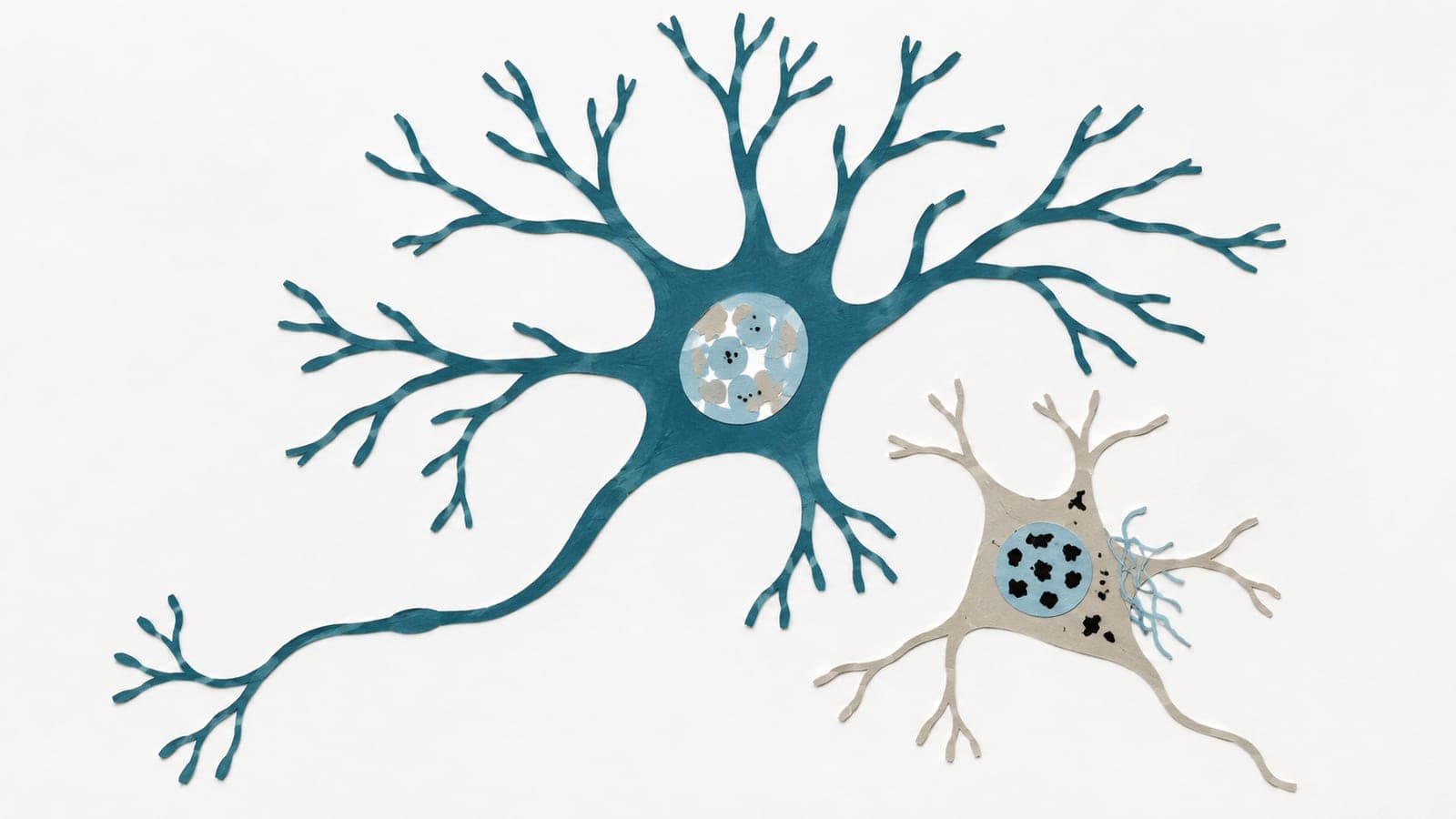
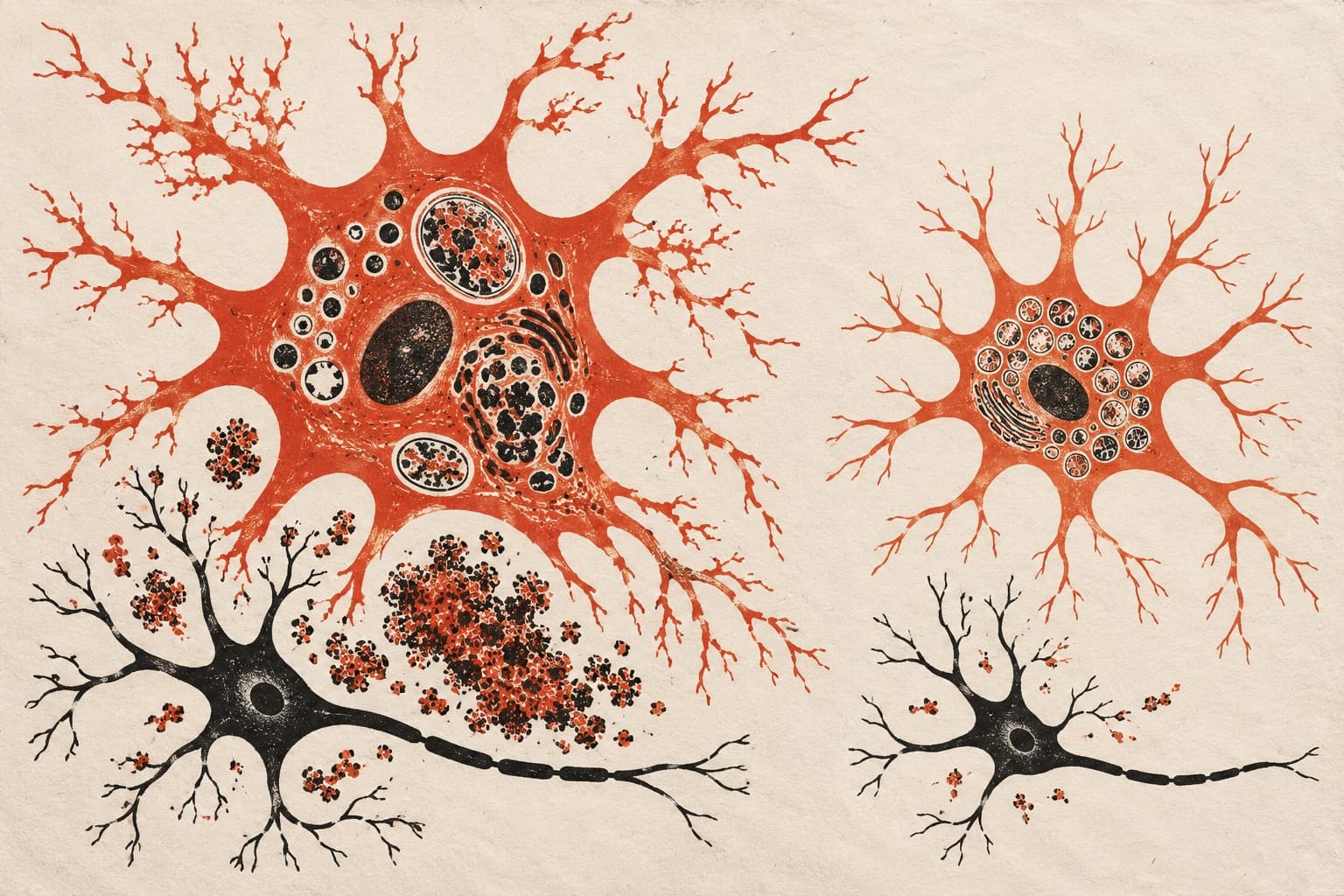
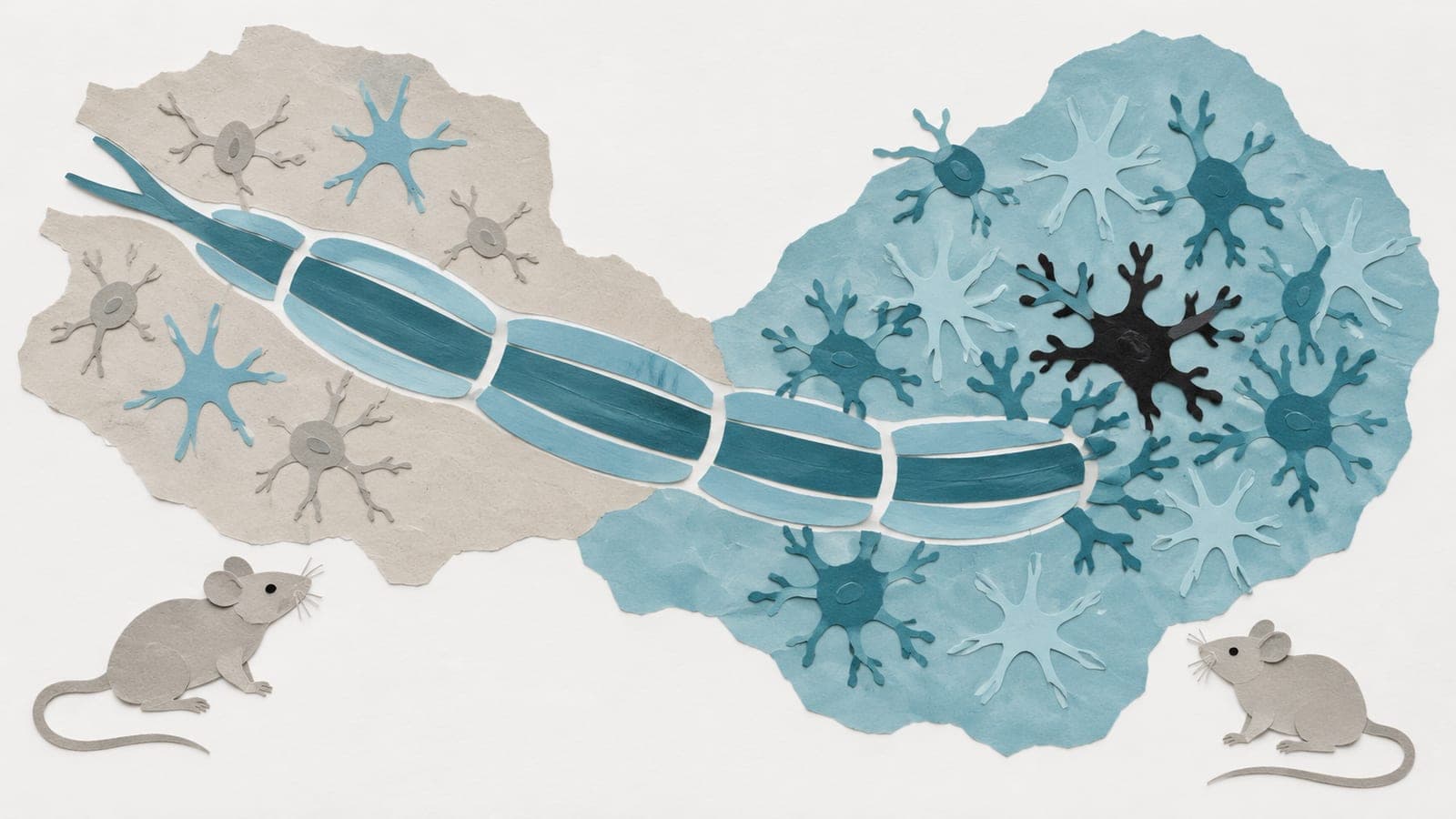
Microglia, the resident immune cells of the central nervous system, dynamically respond to signals from their microenvironment, including adjacent neurons. Among these signals, nuclear contents released from damaged neurons have been implicated in triggering inflammatory microglial responses. Recently, we found that micronuclei (MNs) derived from neurons during the early postnatal stage act as intercellular mediators that alter the microglial characteristics. However, it remains unclear whether a similar mechanism occurs in the aging brain. In this study, we report that neuronal MNs are formed and transferred to microglia during aging. The neuronal nuclear envelope became fragile with aging and forms MNs in association with nuclear envelope invagination. Subsequently, neuronal MNs were taken up by adjacent microglia. In contrast to the developmental stage, microglia incorporating MNs exhibited extended processes during the aged stage. We also identified several candidate genes whose expression patterns were altered in microglia following MN incorporation. These findings suggest that MN incorporation alters the characteristics and functions of microglia in the aging brain. Our data propose an unrecognized neuron-to-microglia communication in the aged brain mediated by MN propagation.
The paper
University of Tsukuba
Frontiers in Aging Neuroscience, 19 Jun 2026, Open access