White matter abnormalities in Alzheimer's disease: Implications for pathophysiology, diagnosis, and treatment
Abstract
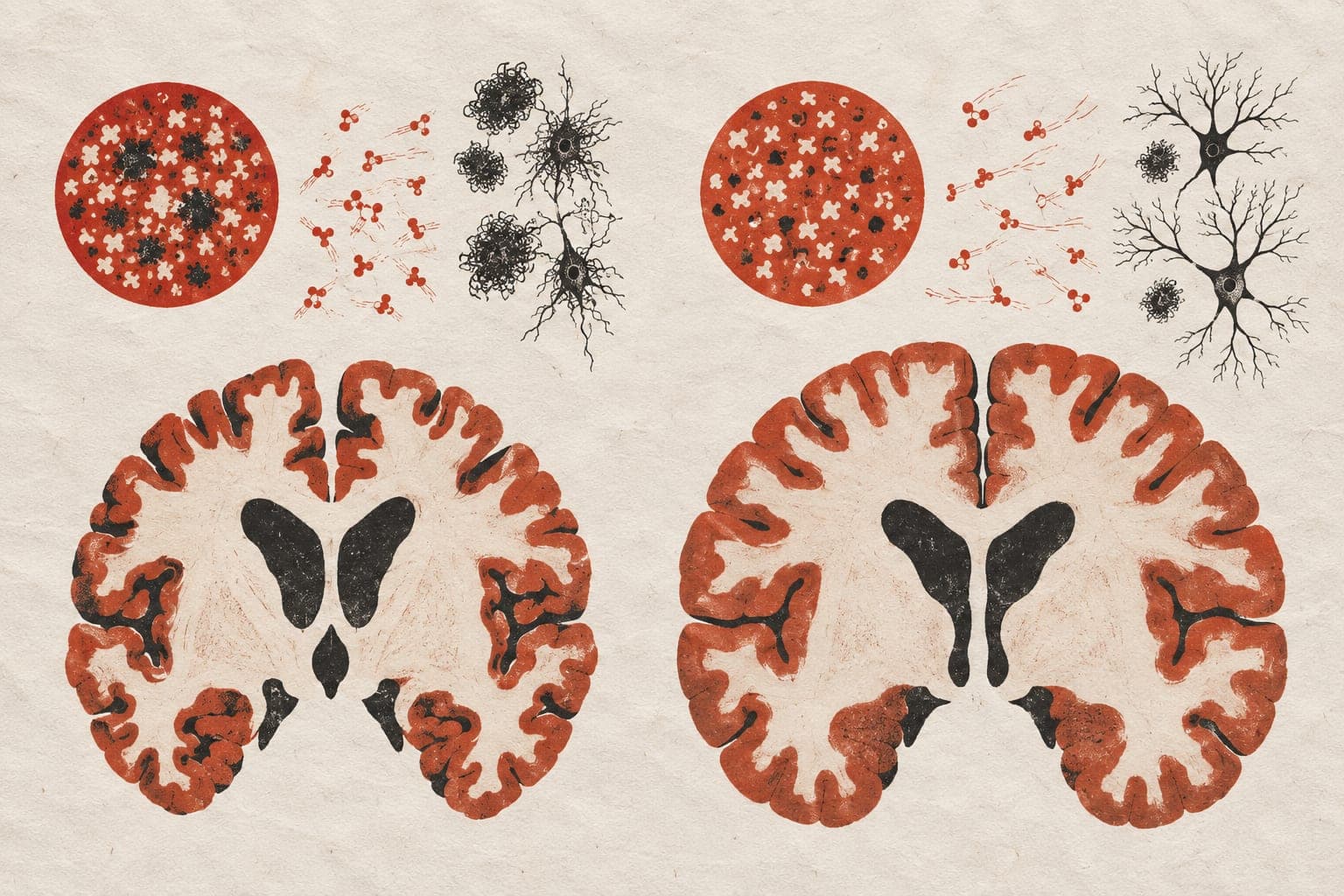
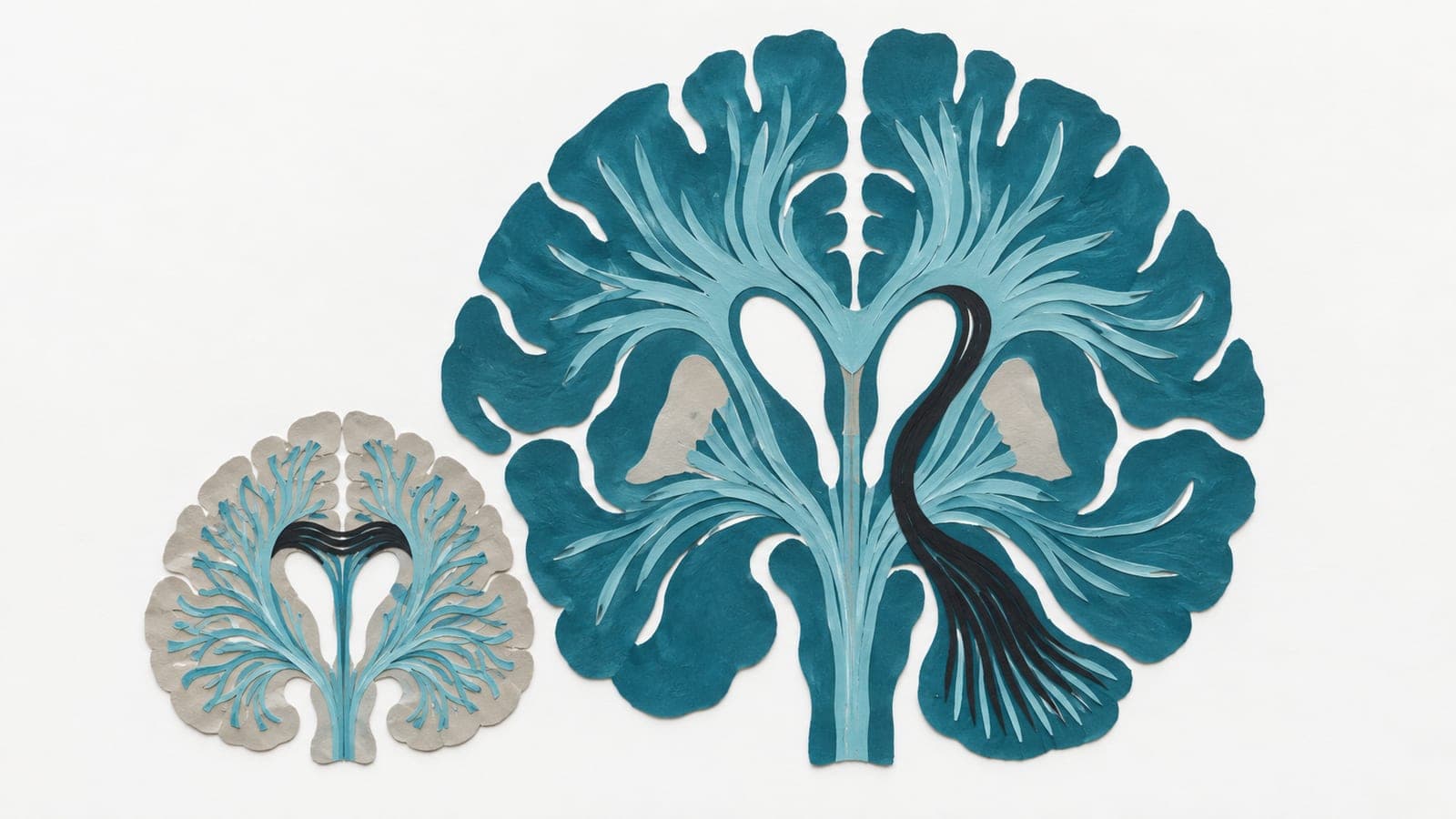
White matter (WM) abnormalities have emerged as a critical element in Alzheimer's disease (AD) pathogenesis, shifting from their former status as a passive consequence to an active regulator of disease progression. Notably, microstructural WM alterations, detectable early via advanced neuroimaging techniques such as diffusion tensor imaging, frequently precede overt gray matter atrophy and cognitive decline, highlighting their potential as early initiating events in the AD pathological cascade. The origins of WM pathology are multifactorial, involving a complex interplay among β-amyloid (Aβ) and tau aggregation, energy dysmetabolism, neuroinflammation, vascular dysfunction, and cellular senescence. Importantly, we emphasize a paradigm-shifting perspective: WM degeneration acts not merely as a downstream outcome but as a key contributor of AD pathogenesis, capable of accelerating protein aggregation, amplifying neuroinflammation, and compromising neural plasticity. Given its early manifestation and close association with symptom onset, WM integrity has emerged as a sensitive and reliable biomarker for early AD detection and progression monitoring. Moving beyond diagnostics, the growing understanding of WM pathophysiology has unveiled a new frontier of therapeutic interventions aimed at myelin regeneration and WM protection. Despite persisting translational challenges, targeting WM integrity represents a pivotal avenue for developing disease-modifying therapies capable of slowing disease progression and improving clinical outcomes in patients with AD.
The paper
Shanghai Jiao Tong University; Hainan Medical University
Ageing Research Reviews, 5 Jul 2026