Conditional knockout of indoleamine 2, 3-dioxygenase-1 in osteoprogenitor cells in mice results in sex-dependent differences in bone mass
Abstract
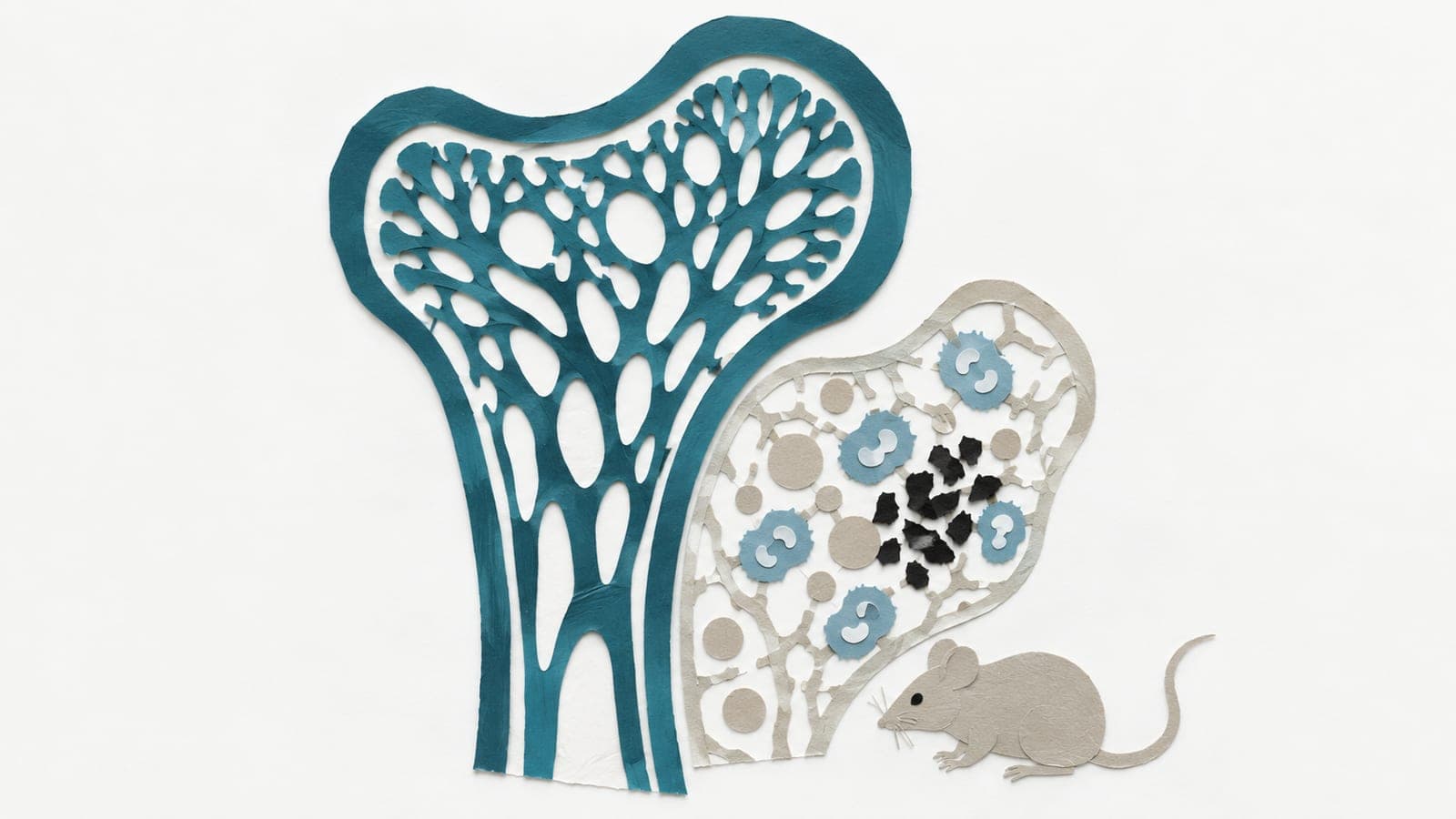
Tryptophan is an essential amino acid metabolized in the body primarily through enzymatic degradation involving indoleamine and tryptophan 2,3-dioxygenase (IDO and TDO), generating kynurenine as the initial step, and ultimately leads to multiple bioactive metabolites including NAD and quinolinic acid. We have previously shown that kynurenine accumulates with age and contributes to age-induced bone loss, and we hypothesized that knocking out IDO1 might be protective against bone loss in states such as aging by decreasing kynurenine levels in osteoprogenitor cells. To begin to characterize the target cell responsible for this effect, we generated conditional IDO1 knockout (KO) mouse model using floxed mice created by EUCOMM/IMPC and an osteoprogenitor-expressed (Osterix-promoter-driven) Cre possessing a Tet-off element. In an IACUC-approved protocol using male/female conditional IDO1 KO (cKO) C57BL/6 mice, we found sex-dependent differences in changes in bone mass. We report that bone mineral density (BMD) at the femoral (but not spinal) site was significantly higher in 21-month-old cKO male mice compared to wild-type (WT). In contrast, spinal (but not femoral) BMD was higher in 21-month-old female cKO mice versus WT. There were no significant differences in trabecular μCT parameters in female mice; however, male cKO mice showed increased trabecular number and decreased trabecular separation. In contrast, there were no differences between male mice in cortical bone measurements whereas female cKO mice had decreased cortical thickness. These data suggest that there are sex-dependent differences in the role of IDO1 in osteoprogenitor cells with aging.
The paper
Augusta University
Biochimie, 1 Jul 2026, Open access