Gut microbiota-derived lysine phenylacetylation impairs mitochondrial function and is alleviated by SIRT3
Abstract
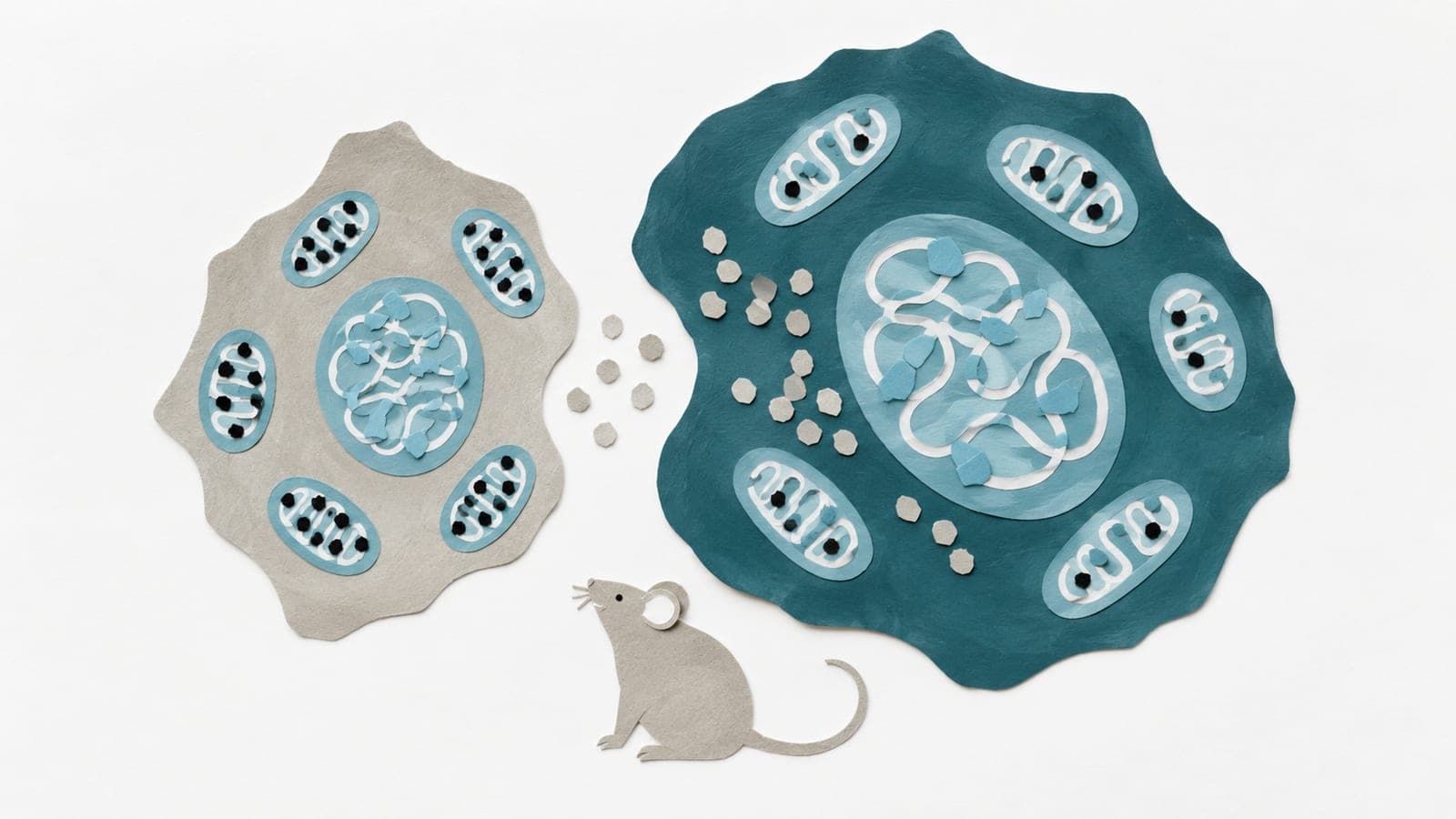
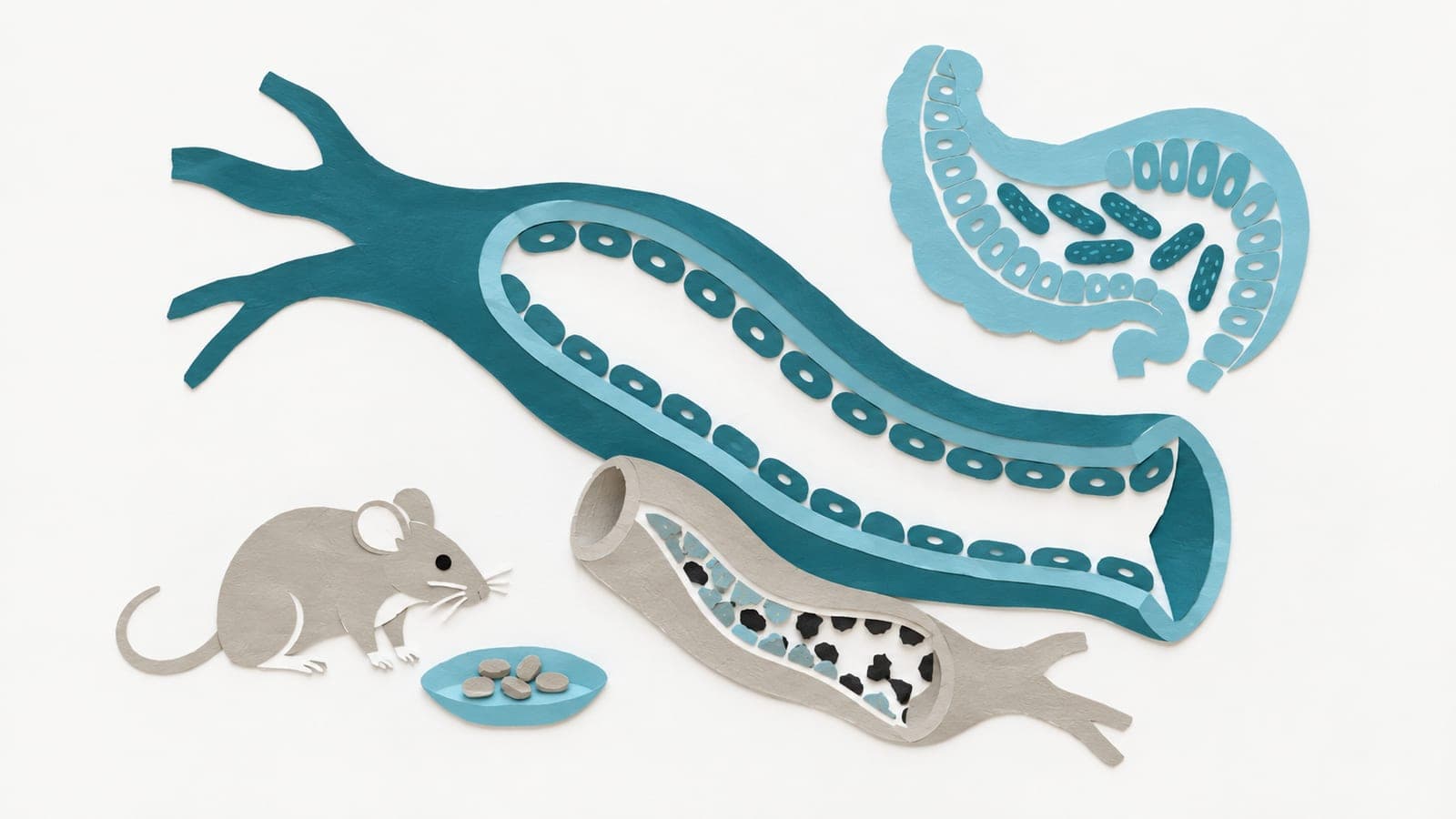
Disturbances in the gut microbiota (GM) contribute to the pathogenesis of various prevalent metabolic disorders. Short-chain fatty acids act as signaling molecules and donors for host post-translational modifications. Here, we report a novel type of lysine modification, phenylacetylation (Kpaa), derived from the phenylalanine-dependent phenylacetic acid (PAA) metabolic pathway of the GM. Hepatic Kpaa levels were significantly elevated in mice with high-fat-diet-induced obesity and were reduced by the deacetylase sirtuin 3 (SIRT3). Proteome-wide substrates were significantly associated with mitochondria. PAA disrupted mitochondrial function and impaired insulin signaling. Mechanistically, PAA-induced K481paa of HSP60 triggered the mitochondrial unfolded protein response, which could be reversed by SIRT3. Finally, relatively low levels of hepatic SIRT3 in adults with obesity and metabolic dysfunction-associated steatohepatitis (MASH) were negatively correlated with increased Kpaa levels. Together, our study uncovered a microbiota-derived lysine acylation modification underlying its biological relevance in the development of metabolic dysfunction-associated steatotic liver disease (MASLD)/MASH.
The paper
East China University of Science and Technology; Chinese Academy of Sciences
Cell Metabolism, 24 Jun 2026