Partial body mass regain attenuates lipid utilization and alters the hepatic lipidome linked to HDL dysfunction during metabolic syndrome in male rats
Abstract
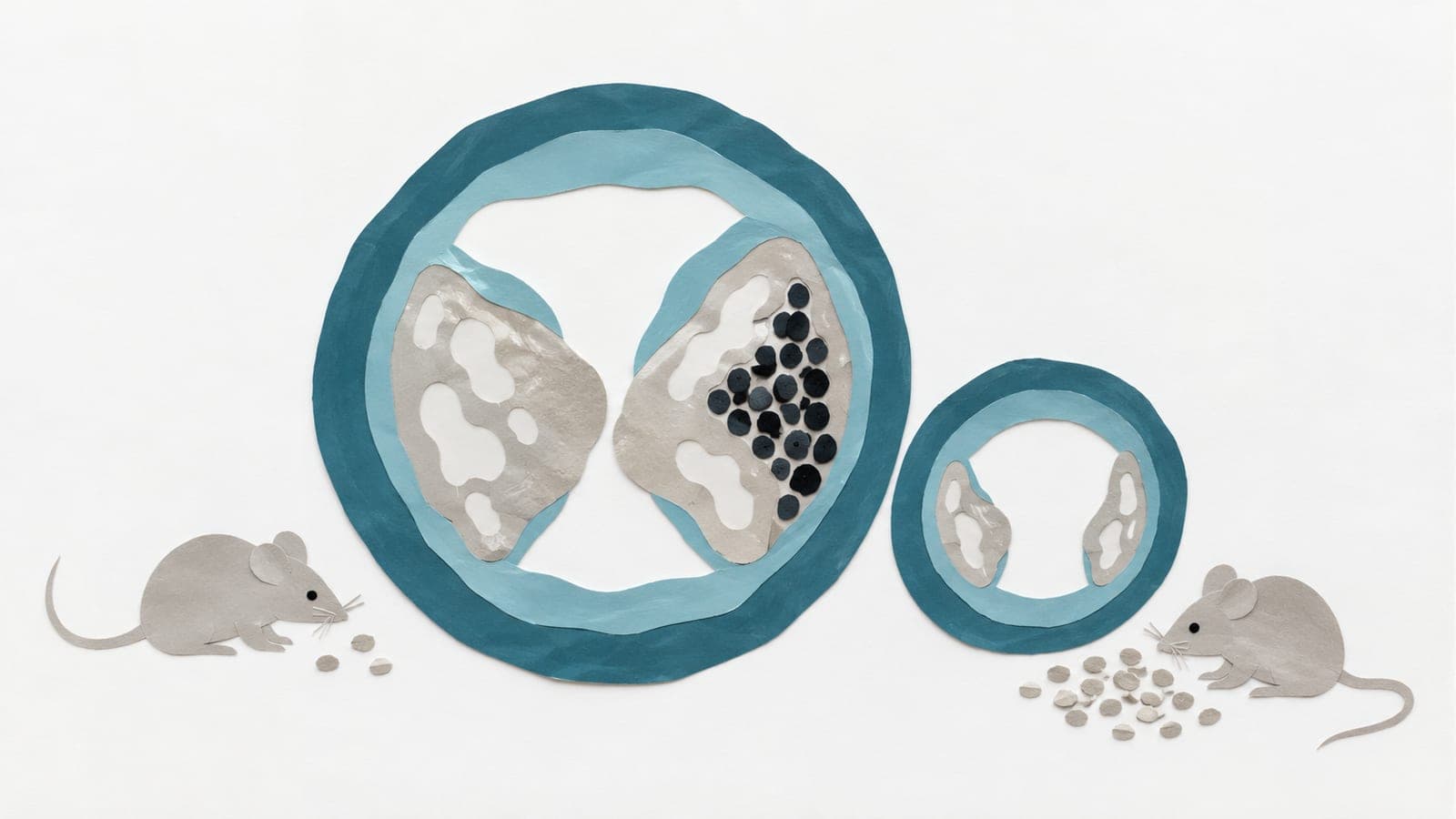
Increases in body mass are associated with the development of metabolic dysfunction-associated steatotic liver disease (MASLD). Caloric restriction (CR) is the primary non-pharmacological defense against MASLD; however, poor CR maintenance induces partial body mass regain (PR), leading to MASLD progression. We conducted an in vivo study to investigate the effects of PR following 2 weeks of CR on the hepatic lipidome during Metabolic Syndrome (MetS) using the male Otsuka Long Evans Tokushima Fatty (OLETF) rat and the Long Evans Tokushima Otsuka (LETO) rat as strain control (Ctrl). PR reduced hepatic acyl-CoA oxidase 1 (ACOX1) and carnitine palmitoyl transferase II (CPT2) protein expression compared to OLETF CR. The lipidome indicated that PR maintained reduced total TAGs primarily MUFA and PUFA TAGs, while SFA-TAGs were elevated. Additionally, OLETF PR demonstrated a negative correlation with cholesteryl ester and an elevation in HDL levels vs. OLETF CR. These findings suggest that PR may promote hepatic steatosis by reducing fatty acid utilization and potentially associated with dysfunctional HDL, which can induce hepatic inflammation and injury. This study highlights the detriments of PR during MetS, suggesting that careful health monitoring is necessary for individuals with compromised metabolism when using dietary interventions to ameliorate MASLD.
- Caloric restriction
- Weight regain
- Fatty acid β-oxidation
- Lipid and ceramide metabolism
- High-density lipoprotein
- Rats
The paper
University of California, Merced
Physiological Reports, Jun 1, 2026, Open access