T cell-microglial interactions that impair myelin maintenance and regeneration: cellular mechanisms on white-matter associated changes
Abstract
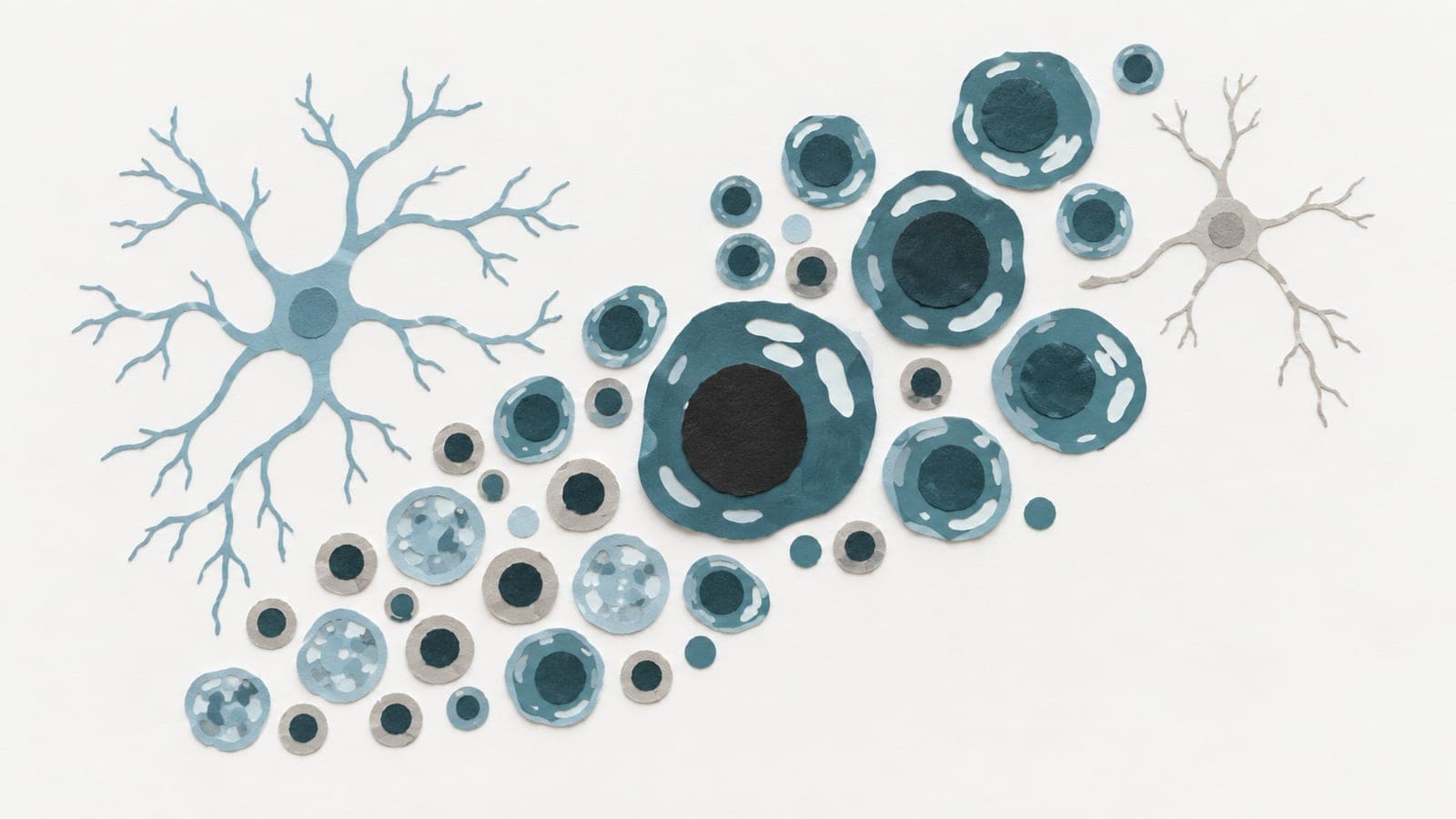
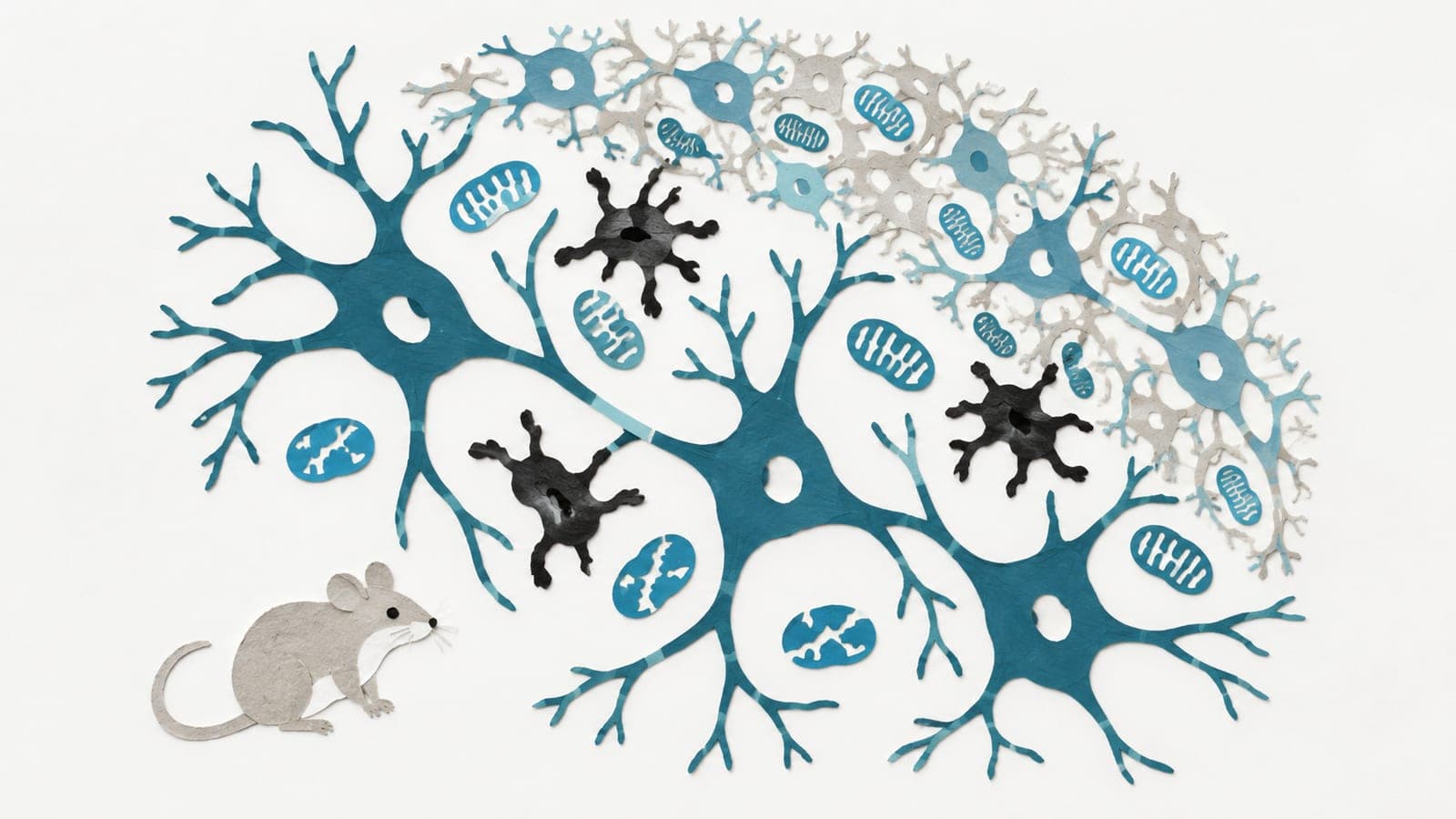
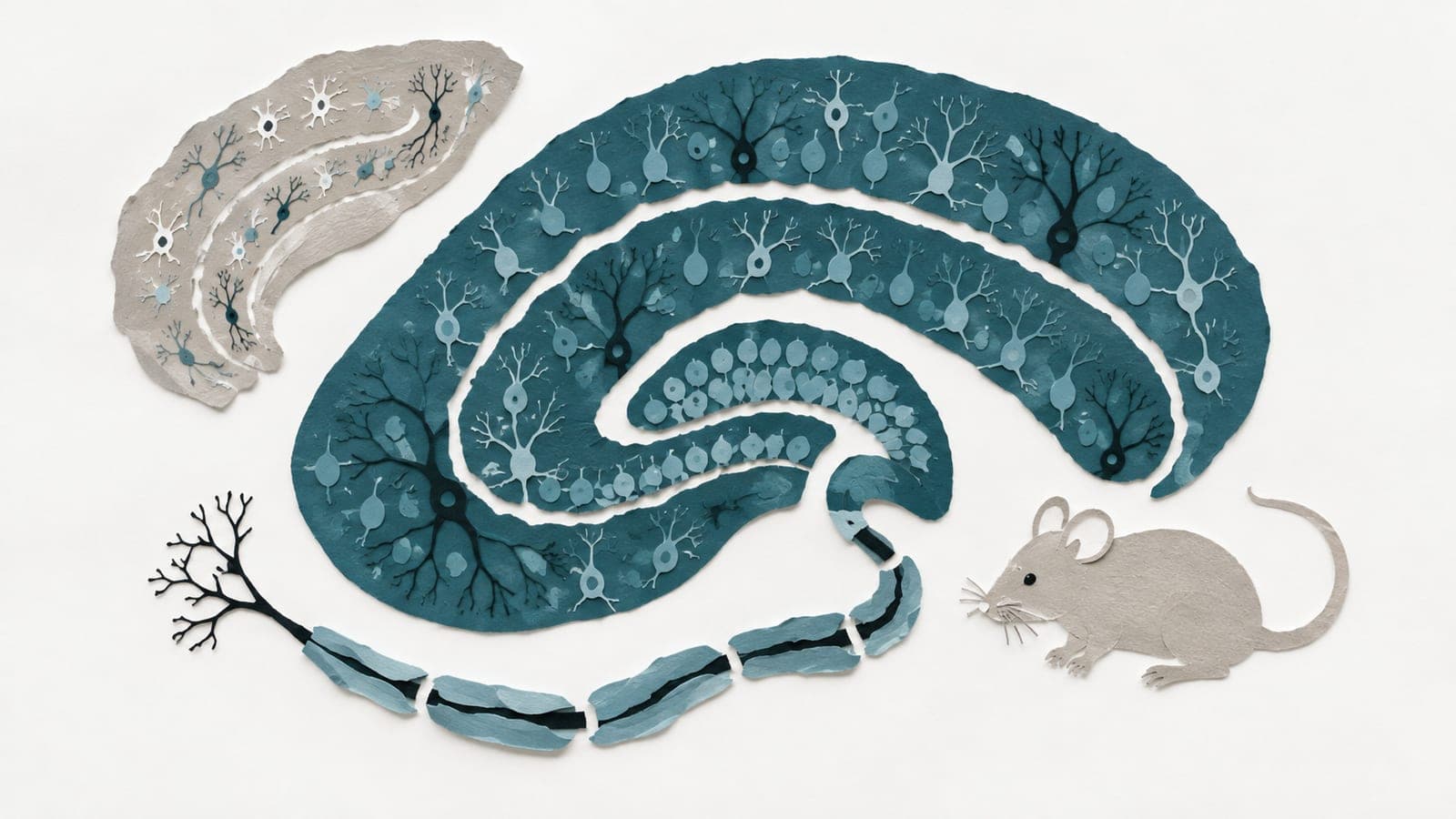
White matter changes are a hallmark of aging and neurodegenerative diseases, characterized by progressive myelin deterioration and impaired regenerative capacities. Growing evidence indicates that maladaptive interactions between microglia and infiltrating T lymphocytes contribute to the progression of white matter changes. Recent single-cell and spatial transcriptomic studies have revealed aging-associated shifts in microglial and T cell states, offering new insights into how aging reshapes the immune-glial landscape. This review summarizes the cellular and molecular evidence across species, with emphasis on murine models, showing that aging alters microglial signaling profiles and promotes the recruitment of CD8⁺ T cells through cytokine signaling. We further examined how T cell-derived interferon-gamma induces transcriptional changes in microglia and oligodendrocyte lineage cells. The resulting interferon-responsive glial states destabilize myelin and limit remyelination, which are characteristic features of aging, multiple sclerosis, and neurodegeneration. By integrating molecular, genetic, and cellular insights, this review proposes a mechanistic framework using recent studies for how T cell-microglial interactions contribute to white matter alterations in aging and highlights the therapeutic opportunities to restore homeostasis and promote remyelination.
The paper
Kyung Hee University
Frontiers in Immunology, 29 May 2026, Open access