Age-Dependent Effects of Adrenomedullin on Muscle Fiber Composition, Angiogenesis, and Muscle Satellite Cells Maintenance
Abstract
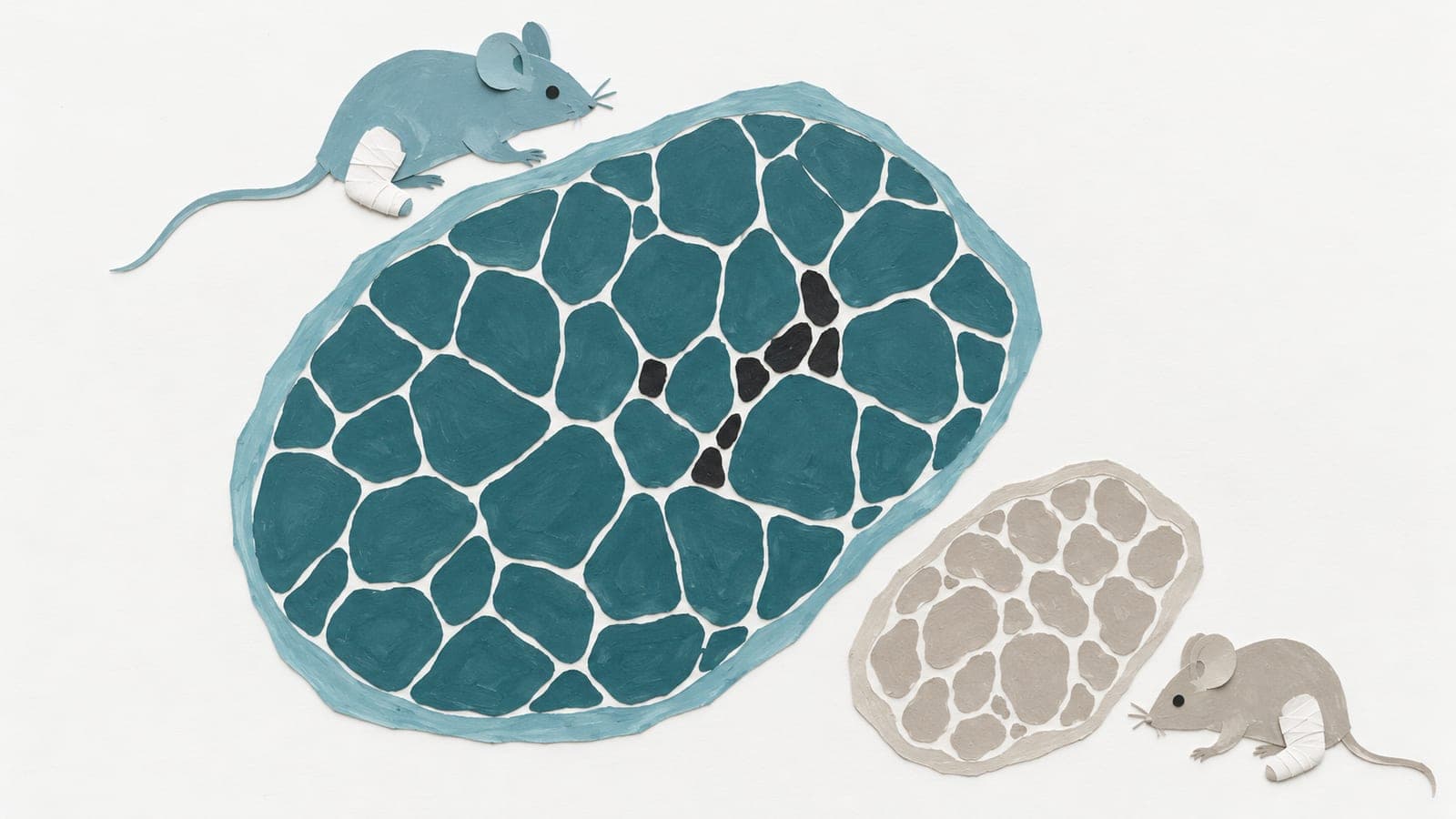
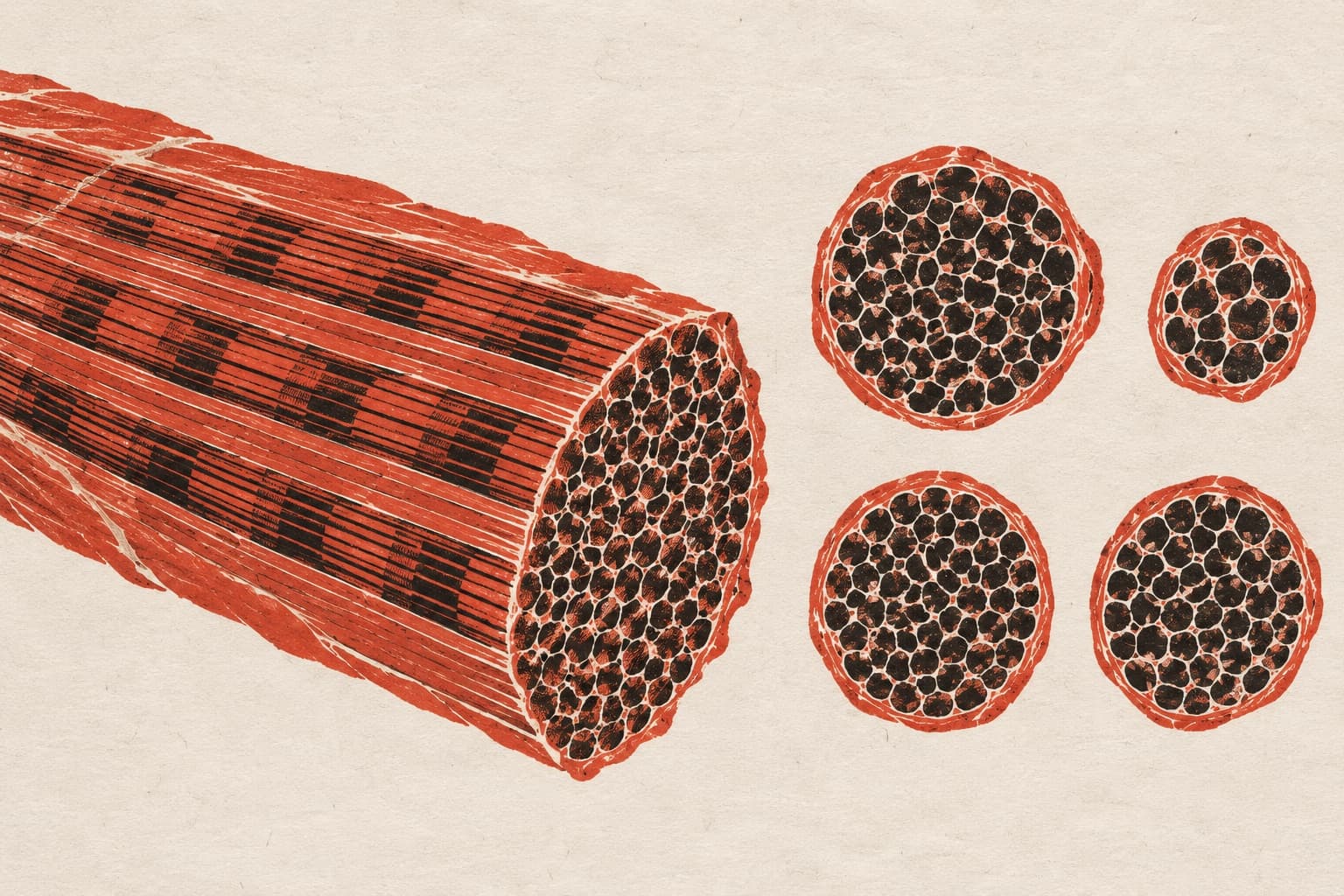
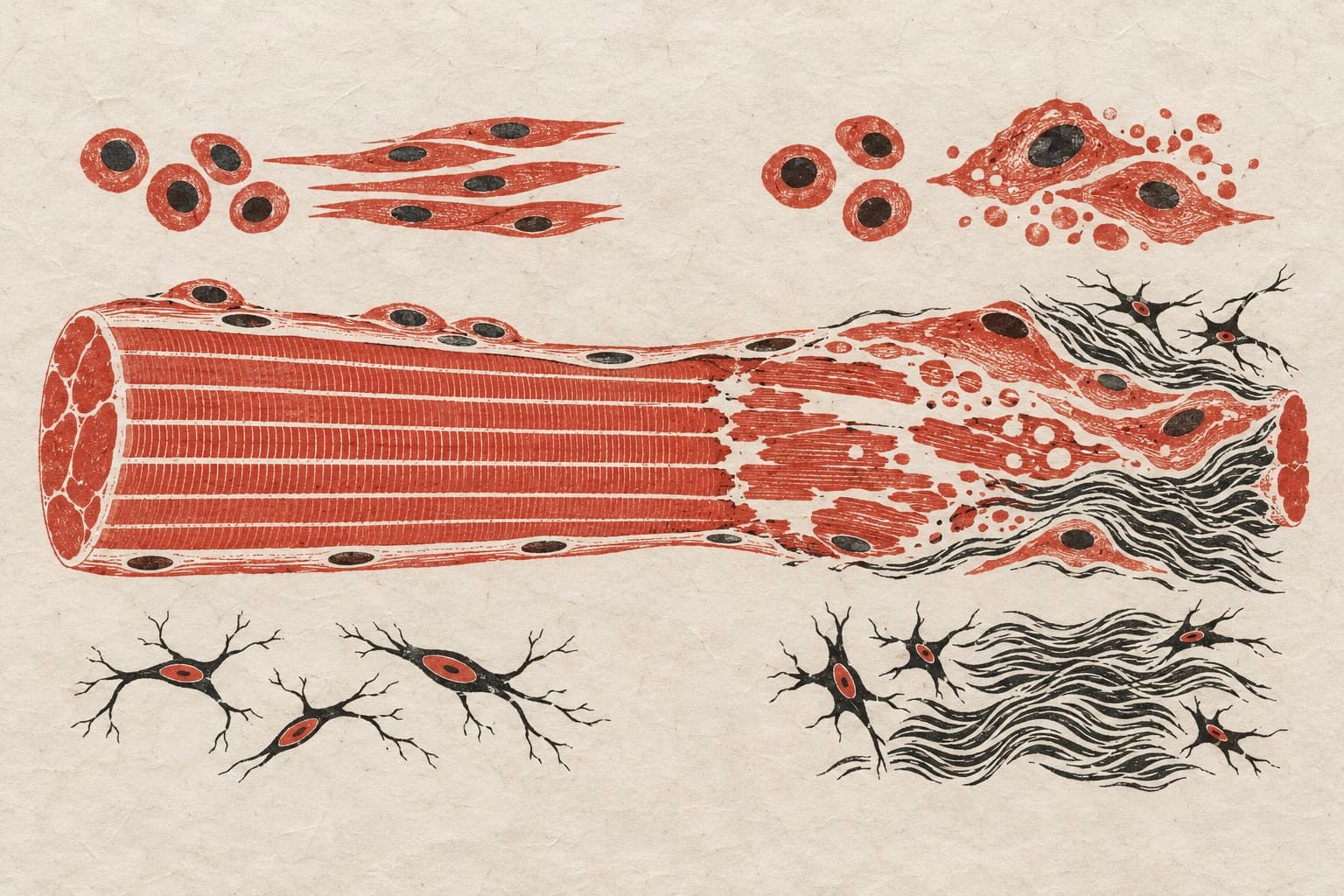
INTRODUCTION: Sarcopenia has recently become a major public health issue. Adrenomedullin (AM) exerts diverse physiological effects, including angiogenesis, but its role in skeletal muscle is unclear. This study investigates whether AM can attenuate sarcopenic changes in aged mice compared to young adults. METHODS: Young and old male C57BL/6J mice were randomly divided into two groups: the AM-treated group, which received subcutaneous administration of AM (50 nmol/kg body weight) 6 days a week, and the sham-treated group, which was injected with vehicle. After 3 months of treatment, we performed multi-muscle analyses (EDL, SOL, and PLA) using western blotting and immunohistochemistry. RESULTS: AM treatment significantly increased AM levels in plasma and muscle tissue. In young mice, AM was associated with changes in muscle fiber-type composition, including a reduction in Type IIx fibers, suggesting muscle-specific functional adaptation. In aged mice, AM increased CD31-positive capillary density and Pax7-positive muscle satellite cells (MuSCs), indicating improved vascular and stem cell niches. These changes occurred without alterations in muscle mass but were accompanied by improved motor function in aged mice. CONCLUSIONS: AM exerts age-dependent effects on skeletal muscle, with distinct responses observed in young and aged mice. These findings suggest that AM may contribute to muscle adaptation through context-dependent mechanisms involving vascular remodeling and fiber-type modulation.
The paper
Kyoto University
Geriatrics & Gerontology International, 1 Jun 2026