Opposing Association of Lung Neutrophils and PD-L1⁺ Monocytes in Age-Related Severity of SARS-CoV-2 Infection
Abstract
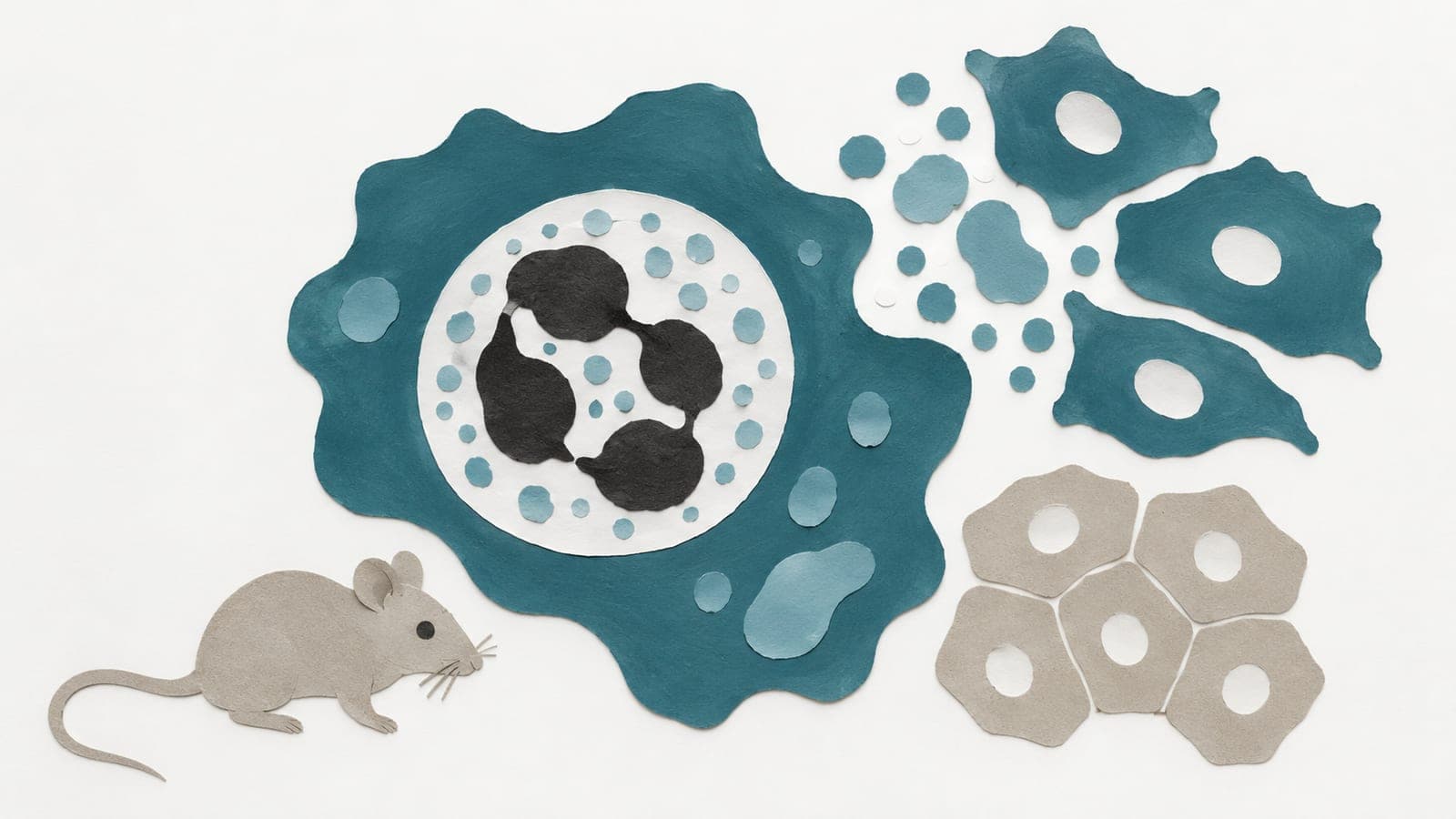
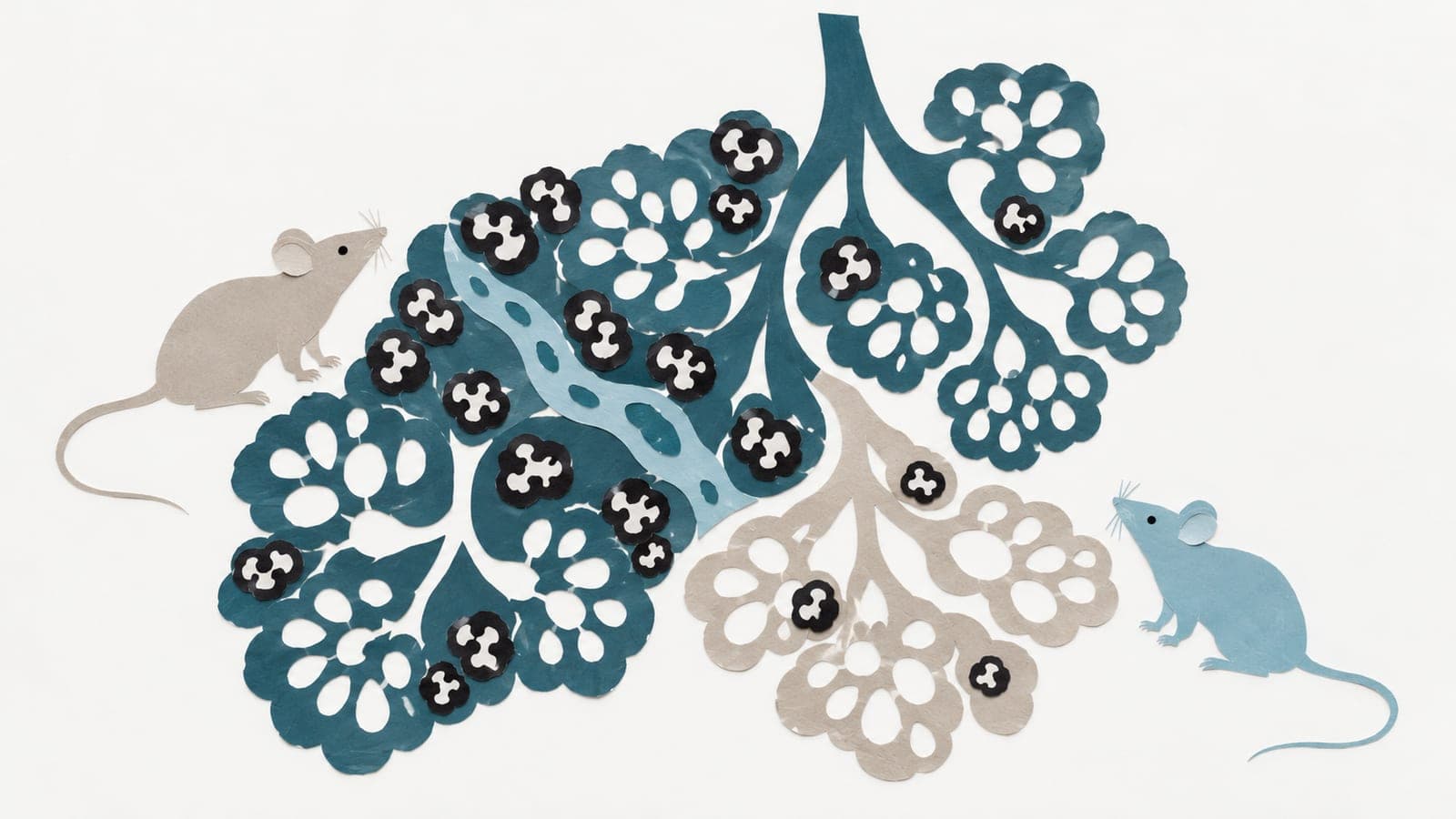
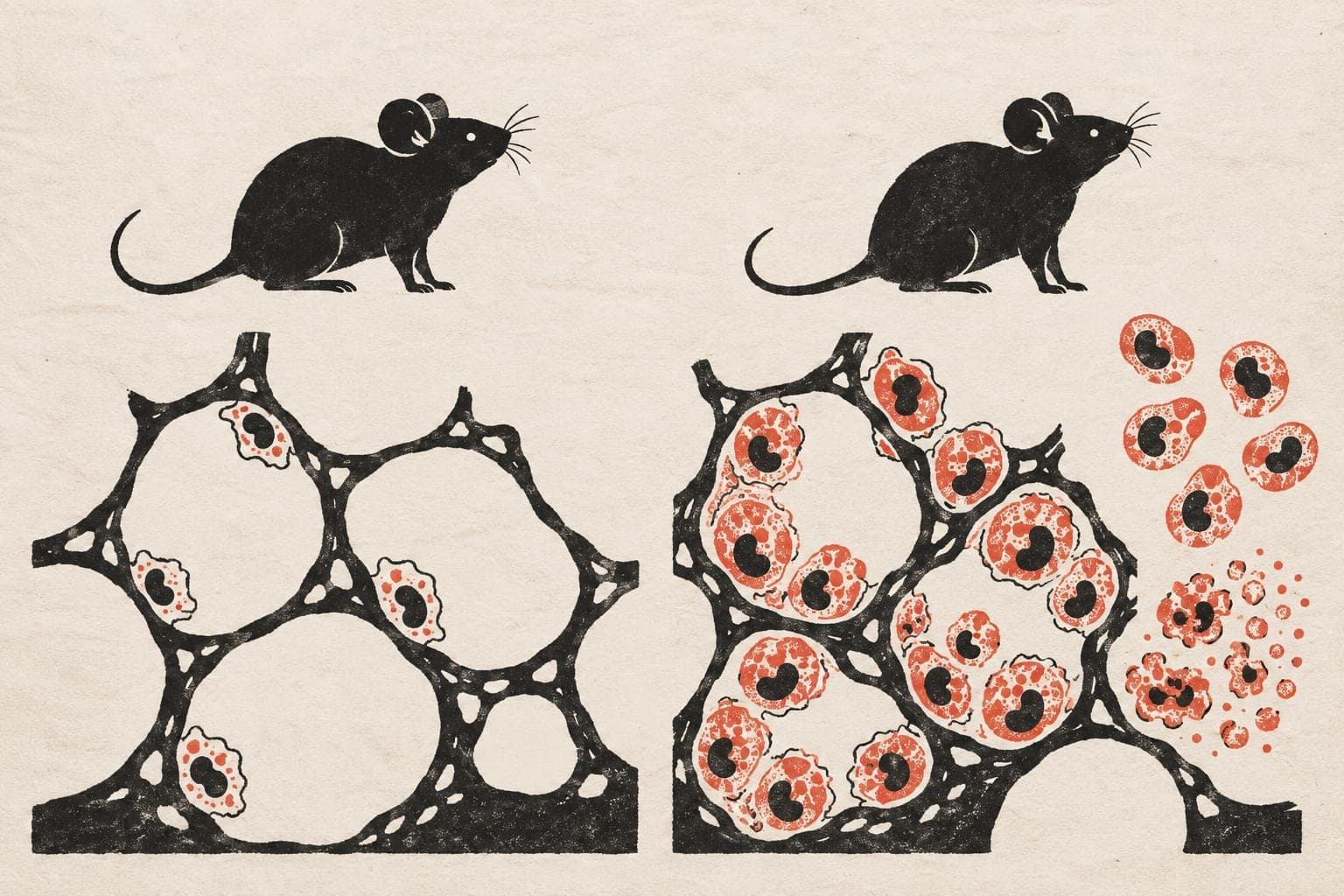
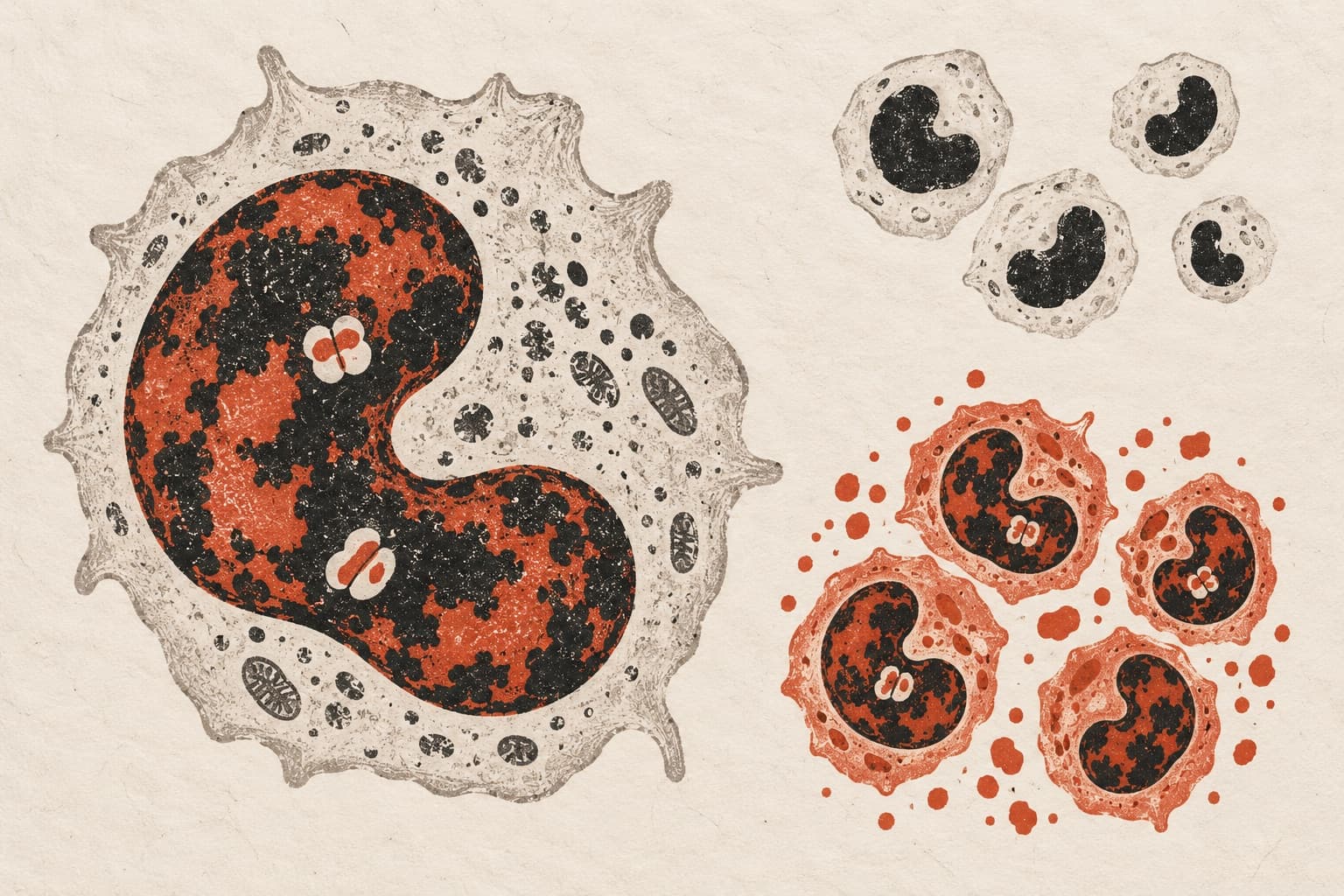
Advanced age is a major determinant of adverse outcomes during acute infections, yet the immunological mechanisms by which aging alters immune regulation and shapes disease trajectories remain poorly understood. Using SARS-CoV-2 infection as a model of acute viral challenge, we investigated how aging alters myeloid responses in the lungs. Across infected mouse models and human cohorts, disease severity was associated with a pronounced shift in myeloid balance, characterized by an increased neutrophil-to-monocyte ratio. Neutrophils exhibited prolonged retention within the pulmonary microvasculature and formed large co-aggregates with monocytes. In parallel, severe disease was associated with a defect in classical monocyte activation in the lungs, notably through reduced PD-L1 upregulation. This defect was not observed in the circulation, indicating tissue-dependent dysregulation of inflammatory and regulatory markers. Aging further accentuated this imbalance. Both aged mice and elderly patients displayed a reduced proportion of PD-L1-expressing lung monocytes, despite enhanced pulmonary neutrophil recruitment. This age-associated alteration distinguished severe from non-severe disease and characterized a maladaptive myeloid response to acute viral challenge. Together, these findings identify impaired, compartment-specific myeloid immune regulation as a central feature of age-related vulnerability to severe infection. They highlight that tissue-dependent regulatory failure compounds inflammatory excess as a key determinant of disease outcome and suggest that restoring myeloid regulatory function may offer therapeutic benefit in older individuals during acute respiratory infections.
The paper
Inserm; Centre National de la Recherche Scientifique
Aging Cell, 1 Jun 2026, Open access