p16 Beyond Senescence: Cancer Biology Lessons Applied to Endometriosis
Abstract
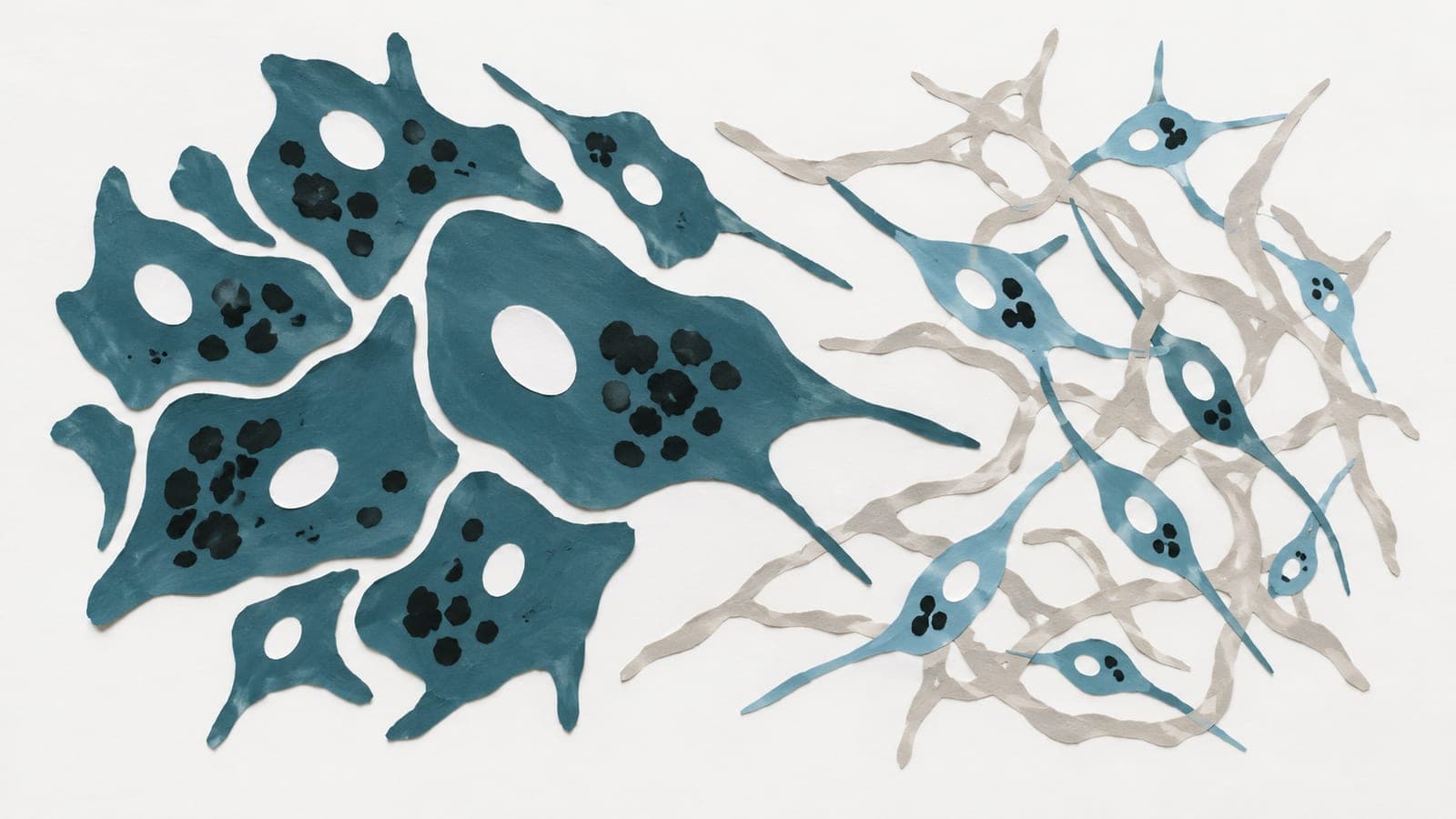
Endometriosis is an estrogen-dependent disease characterized by chronic inflammation and fibrosis and is a major cause of pelvic pain and infertility. Recent studies have reported dysregulated expression of p16INK4a, a canonical cellular senescence marker, in endometriotic lesions. Although p16 is a proliferation-suppressive factor, its altered expression has paradoxically been associated with disease persistence, and its pathophysiological significance remains unclear. This review aims to clarify the context-dependent roles of p16 in endometriosis in relation to cellular senescence, the senescence-associated secretory phenotype (SASP), and the immune microenvironment, and to propose a conceptual framework for therapeutic modulation. The author conducted a narrative review of basic and clinical studies focusing on endometriosis, endometrial biology, cellular senescence, p16, SASP, immune regulation, and senotherapeutics. Endometriosis comprises distinct cell populations with high and low p16 expression. Elevated p16 expression is associated with cellular senescence, chronic inflammation, the establishment of an immunosuppressive microenvironment, and aberrant tissue remodeling. In contrast, reduced p16 expression may promote the maintenance of proliferative capacity via CDK4/6 activity and sustain a survival-advantaged state with enhanced plasticity, partly due to decreased dependence on SASP. Thus, p16 may function as a context-dependent regulator linking cellular senescence, inflammation, and tissue plasticity in endometriosis. Emerging evidence suggests that indirect interventions targeting mechanistic target of rapamycin (mTOR) signaling may attenuate p16/p21 expression and SASP. Therapeutic strategies should not merely aim to regulate p16 expression per se, but rather focus on suppressing cellular senescence prior to its transition into an irreversible state and on restoring a physiologically functional endometrial environment.