Brain immune cell patterns linked to dementia resilience
Brain tissue from 24 people in their 80s and 20 centenarians revealed different immune-cell patterns associated with resilience despite amyloid-beta accumulation.
Limit: Postmortem comparisons cannot distinguish immune-cell causes of resilience from consequences
Stake: Authors work for Muna Therapeutics, founded it and hold shares in it. An author founded Augustine Therapeutics.
Edited by Boris Djordjevic · AgingResearch.News
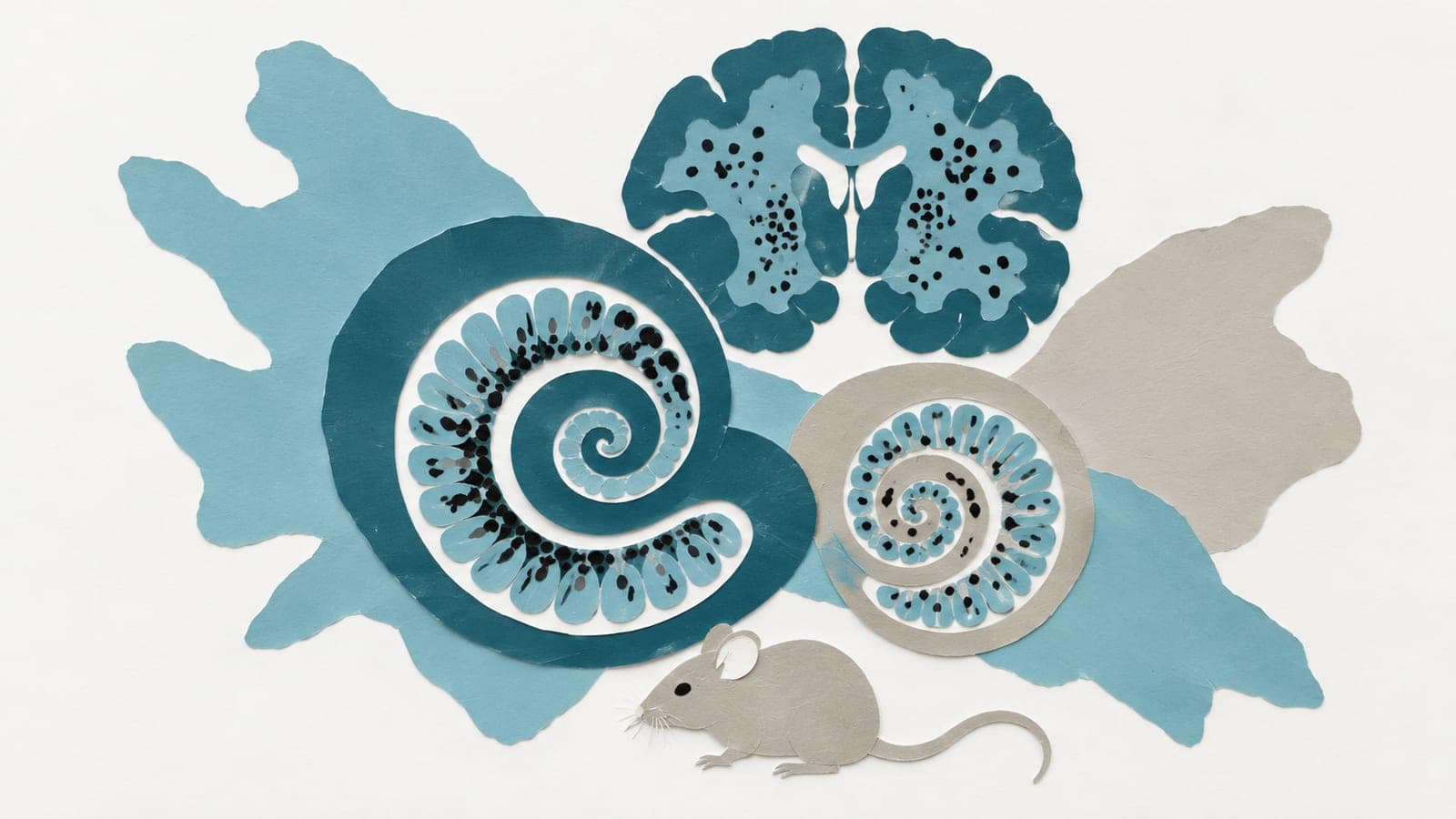
An observational study examined postmortem brain tissue from 24 people in their 80s and 20 centenarians. Researchers mapped gene activity in the superior frontal cortex, a region at the front of the brain. The octogenarians included people with dementia, people with substantial amyloid-beta deposits but preserved cognition, and cognitively healthy controls.
The researchers identified six tissue patterns spanning amyloid-beta-associated inflammation and tau-associated cellular activity. Amyloid-beta and tau are proteins that accumulate in Alzheimer’s disease. The transition coincided with a shift in microglia, the brain’s immune cells, from inflammatory activity to displaying protein fragments to other immune cells. Octogenarians without dementia lacked the late gene activity pattern. Centenarians showed that pattern without a link to tau accumulation. All centenarians had been cognitively intact at enrollment, but their cognitive performance near death varied widely.
Why it matters
The work addresses why some older people retain cognitive function despite Alzheimer’s-related protein deposits. The authors identify brain immune-cell transitions as candidate points of resilience with potential therapeutic relevance.
Caveats
Postmortem comparisons cannot establish the order of changes over time or show that immune-cell states cause resilience. The findings came from one brain region, and centenarians frequently had other brain pathologies.
The paper
Muna Therapeutics ApS; UK Dementia Research Institute
Nature Medicine, Jun 4, 2026, Open access

Comments
Be the first to comment.