Cell-specific energy crisis in the ageing brain: Mitochondrial dynamics drives neuron-glia metabolic uncoupling and neurodegeneration
Abstract
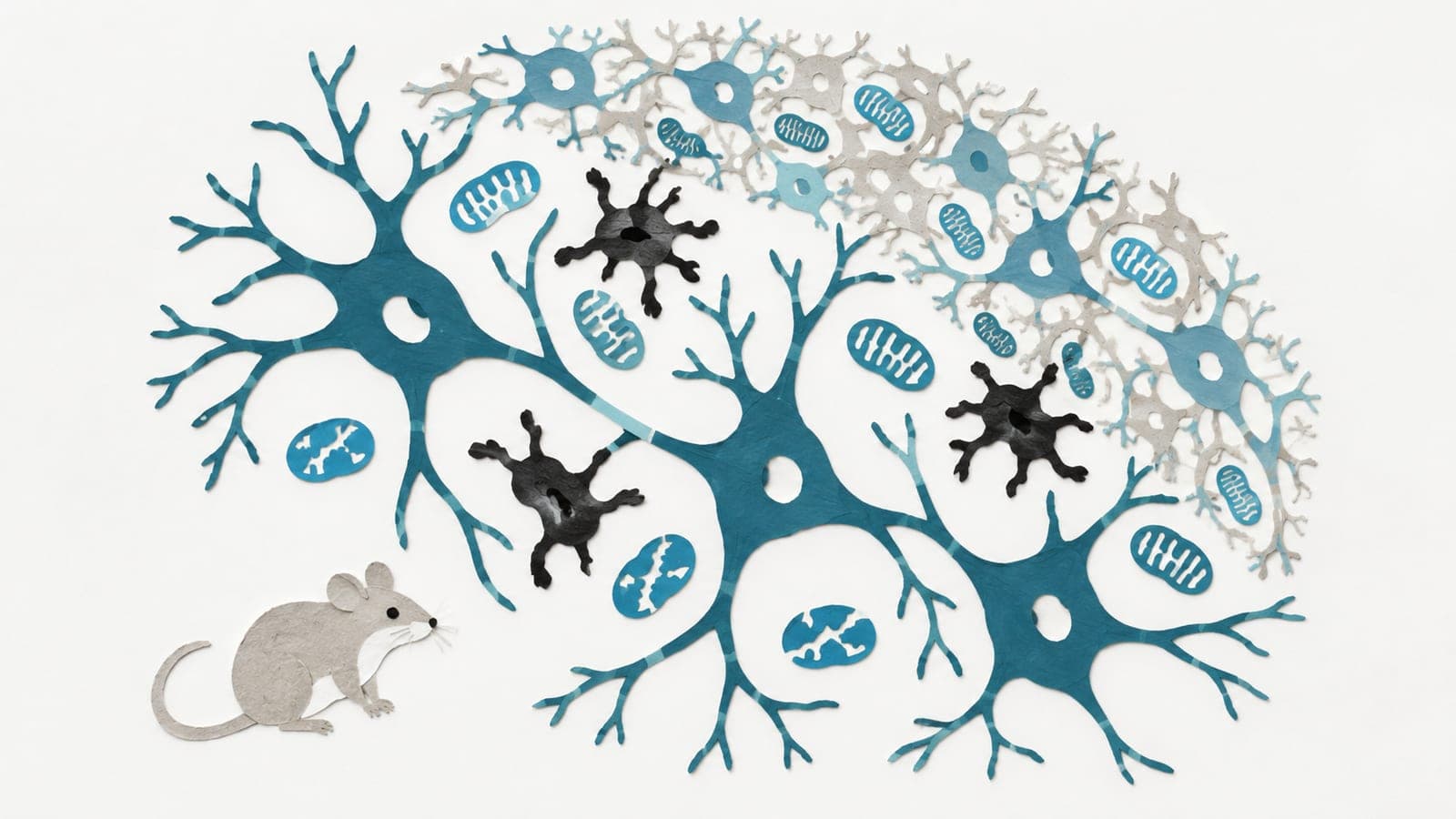
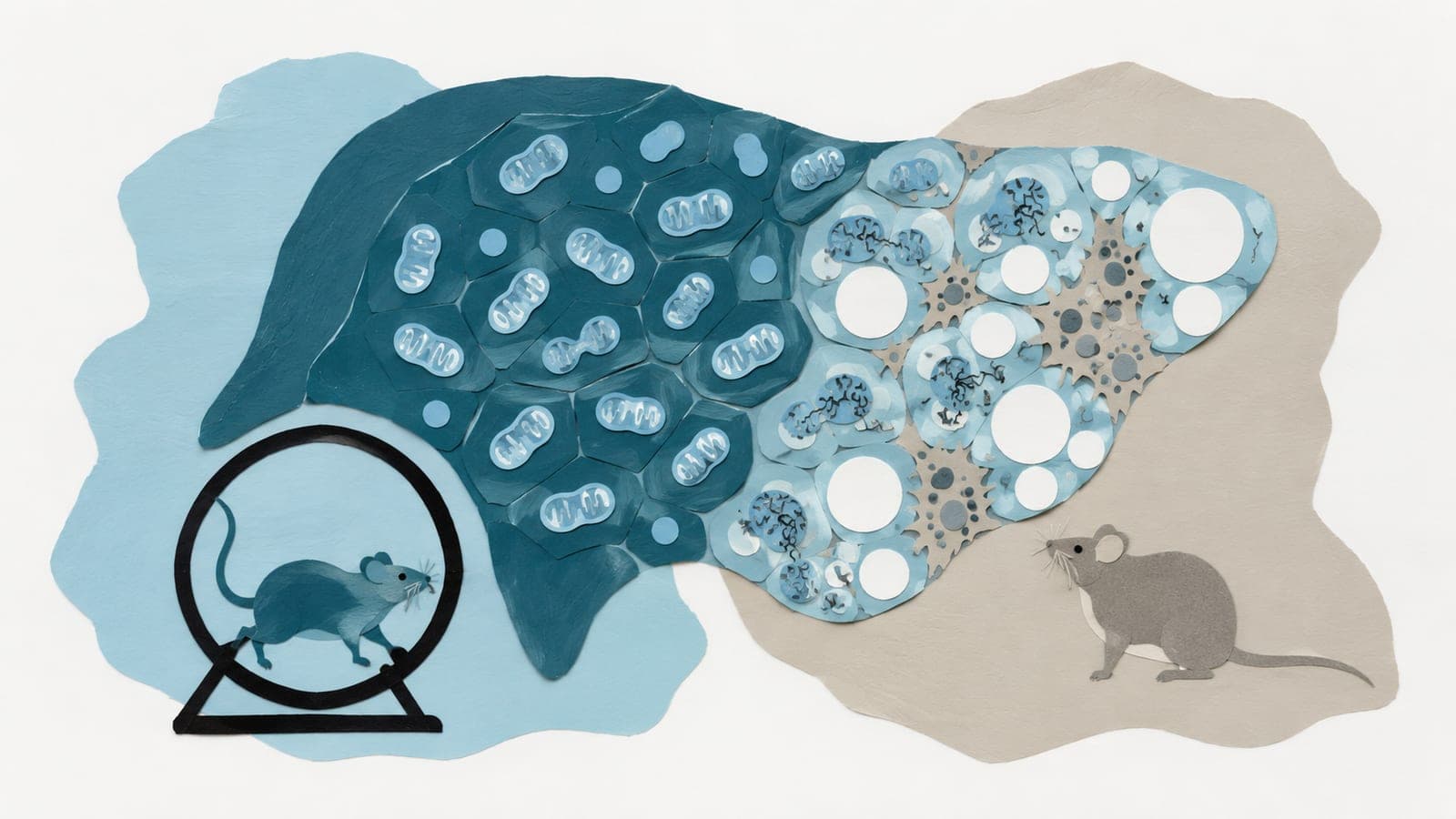
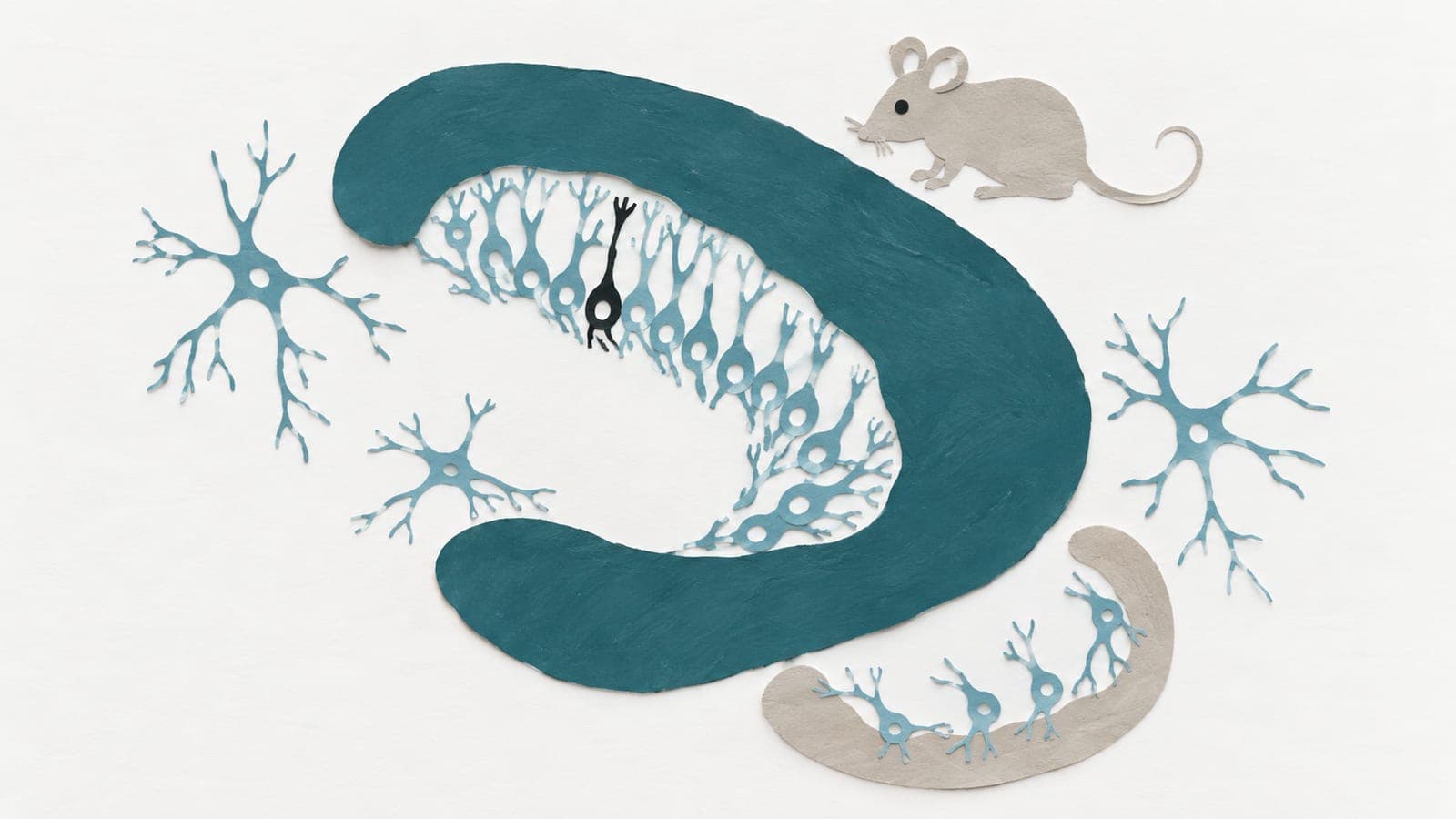
Ageing is the primary risk factor for neurodegeneration and age-related cognitive decline, which is increasingly recognised as a systemic collapse of metabolic crosstalk between neurons and glial cells in the brain. This narrative review elucidates that mitochondrial dynamics - encompassing biogenesis, fusion, fission, and mitophagy - acts as the core regulatory mechanism governing this multicellular interaction network, and drives the cell-specific energy crisis that underpins pathological progression in the ageing brain. We delineate that senescent astrocytes disrupt the astrocyte-neuron lactate shuttle, oligodendrocytes develop ATP deficits triggering myelin breakdown, and microglia undergo maladaptive immunometabolism and metabolic reprogramming via excessive Drp1-mediated mitochondrial fission, which collectively initiates and amplifies chronic neuroinflammation and neurodegenerative damage. Crucially, we highlight intercellular mitochondrial transfer as a vital endogenous rescue mechanism, wherein glial cells donate functional mitochondria to stressed neurons to mitigate damage. Finally, we synthesize emerging therapeutic strategies targeting the glia-neuron mitochondrial social network, providing a holistic framework for restoring brain bioenergetic homoeostasis and delaying age-related neurodegenerative progression.
- Cellular homeostasis
- Cellular senescence
- Immune response
- Neurodegenerative disease
- Age-related cognitive decline
- Senescent astrocytes
The paper
Beijing University of Chinese Medicine
Mechanisms of Ageing and Development, Jun 1, 2026