Regulation of lens epithelial cell senescence by cyclic mechanical stretch: Multi-omics insights into the mechanisms of lens aging
Abstract
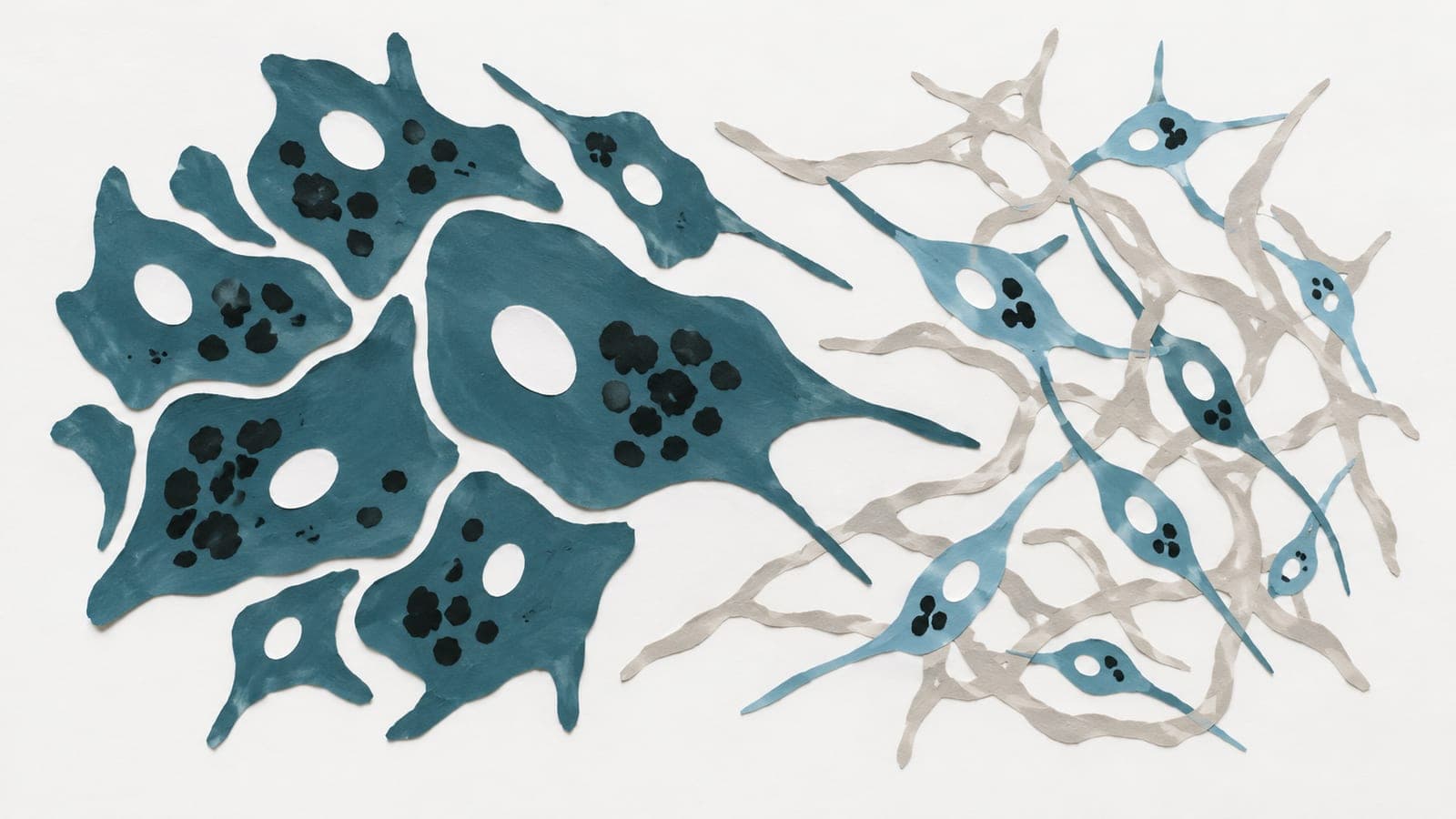
BACKGROUND: The crystalline lens is continuously exposed to cyclic accommodative forces; however, how such mechanical stress contributes to lens epithelial cell (LEC) senescence and age-related cataract (ARC) remains incompletely understood. METHODS: Clinical multi-omics profiling was integrated with an in vitro cyclic mechanical stretch model to investigate mechanosensitive mechanisms of LEC senescence. Aqueous humor metabolomics and lens capsule transcriptomics were performed in young and ARC lenses. Human LECs were exposed to physiological (0.5 Hz) or overloaded (2.5 Hz) cyclic stretch at 12% strain. Senescence phenotypes and transcriptomic changes were analyzed, followed by integrative cross-dataset analysis to identify conserved mechanosensitive pathways. RESULTS: Clinical multi-omics analyses revealed enrichment of mechanotransduction-related pathways in ARC. In vitro, mechanical stretch regulated LEC senescence in a magnitude-dependent manner: overloaded stretch increased SA-β-gal staining, p53/p21/p16 expression, and SASP secretion, whereas physiological stretch attenuated them. Integrative transcriptomic analysis identified 104 shared differentially expressed genes across clinical and experimental datasets, enriched in the integrin-cytoskeleton-extracellular matrix (ECM) axis, along with p53 signaling and metabolic reprogramming. CONCLUSIONS: These findings establish a mechanotransduction-associated framework for lens aging, in which mechanical forces exert magnitude-dependent, bidirectional regulation of LEC fate, providing mechanistic insight into how pathological mechanical cues contribute to ARC.
The paper
Shanghai Medical College of Fudan University
Experimental Eye Research, May 29, 2026