Adolescent intermittent ethanol exacerbates amyloid-β with age in the dorsal hippocampus of female TgF344-AD rats
Abstract
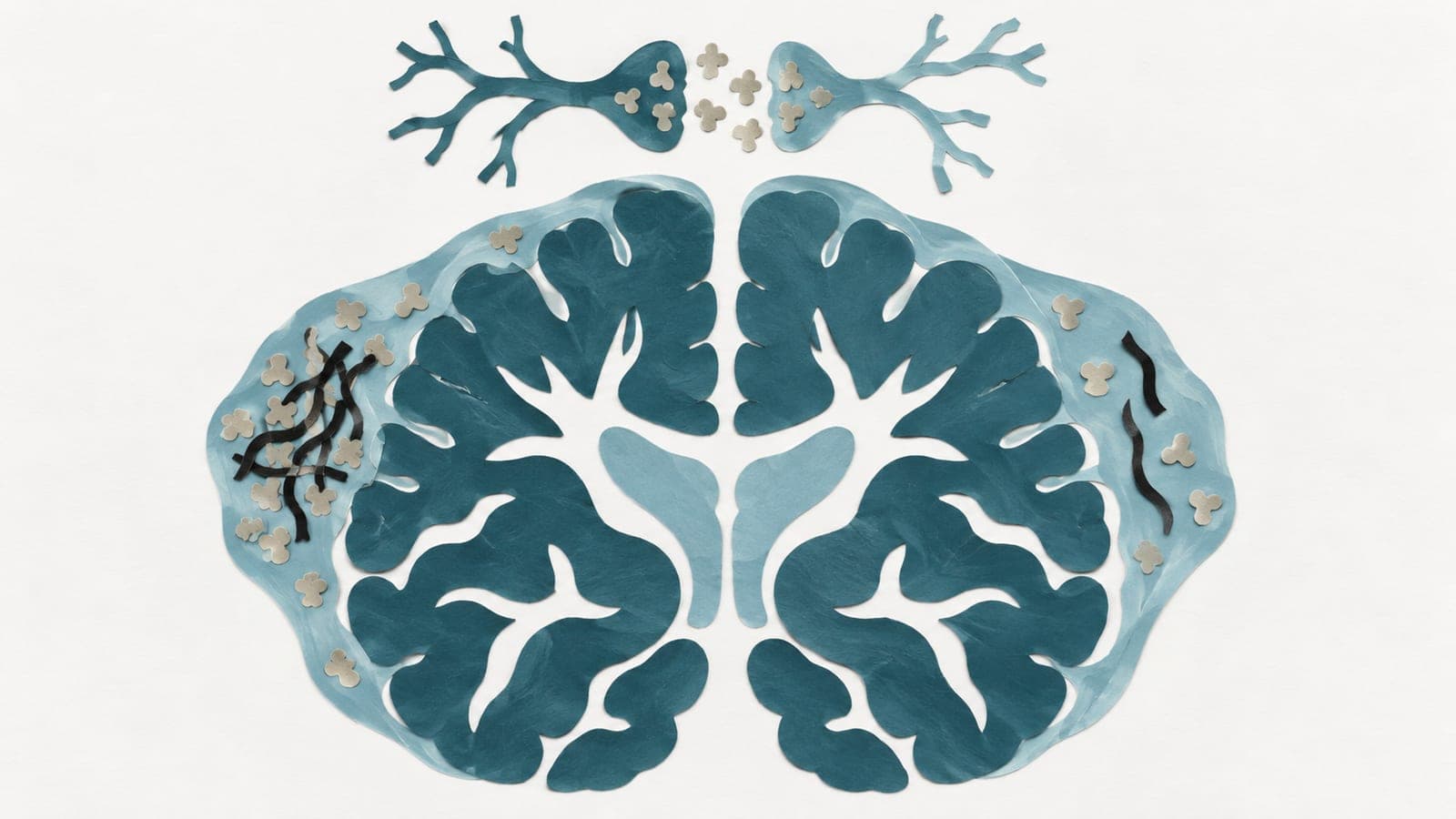
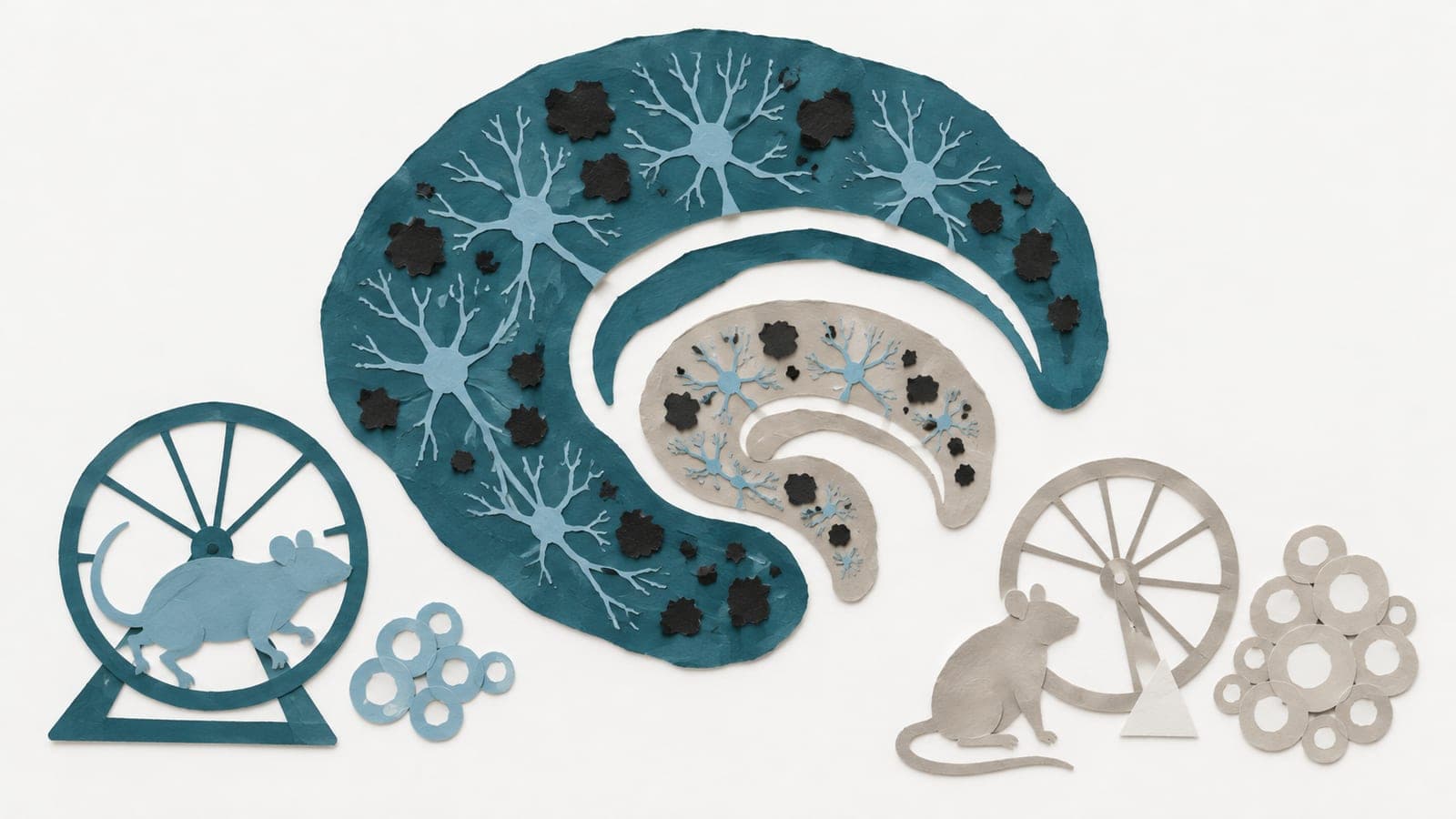
BackgroundAlcohol misuse increases Alzheimer's disease (ΑD) risk; however, the mechanisms linking these conditions are unknown. In rodents, chronic and acute ethanol increases amyloid-β (Aβ); however, most of those studies have been limited to a single sex or brain region.ObjectiveThis study explored how adolescent intermittent ethanol (AIE), alters Aβ in multiple regions of the brain in female and male TgF344-AD rats as they age.MethodsFrom postnatal days 28-58, female and male TgF344-AD rats were administered either water (CON) or 5.0 g/kg ethanol (AIE; 20% ethanol w/v) via intragastric gavage on a 2-day on/off cycle. In Experiment 1, Aβ was measured in the medial prefrontal cortex, orbitofrontal cortex (OFC), piriform cortex (PC), entorhinal cortex (EC), ventral hippocampus (vHPC), and dorsal hippocampus (dHPC) in 6- and 10-month-old rats. In Experiment 2, in vivo microdialysis was used in 3-month-old female rats to measure how ethanol directly modulates Aβ levels in the dHPC.ResultsIn the OFC, PC, EC, vHPC, and dHPC, Aβ₄₀ and Aβ₄₂ was higher in 6-month-old female TgF344-AD rats compared to males. However, at 10 months Aβ₄₀ and Aβ₄₂ levels were only elevated in the dHPC of AIE-treated females, compared to all other groups. An acute ethanol challenge at 3 months selectively evoked a sustained increase in interstitial fluid Aβ₄₀ levels in AIE-treated females.ConclusionsIn aged females, the dHPC is a region sensitive to ethanol-associated Aβ pathology. This may be due to disruptions in Aβ clearance in early life, which may have an additive effect on Aβ aggregation over the lifespan.
The paper
Binghamton University
Journal of Alzheimer's Disease, 29 May 2026