Effects of aging on gut microbiota nearly throughout zebrafish lifespan
Abstract
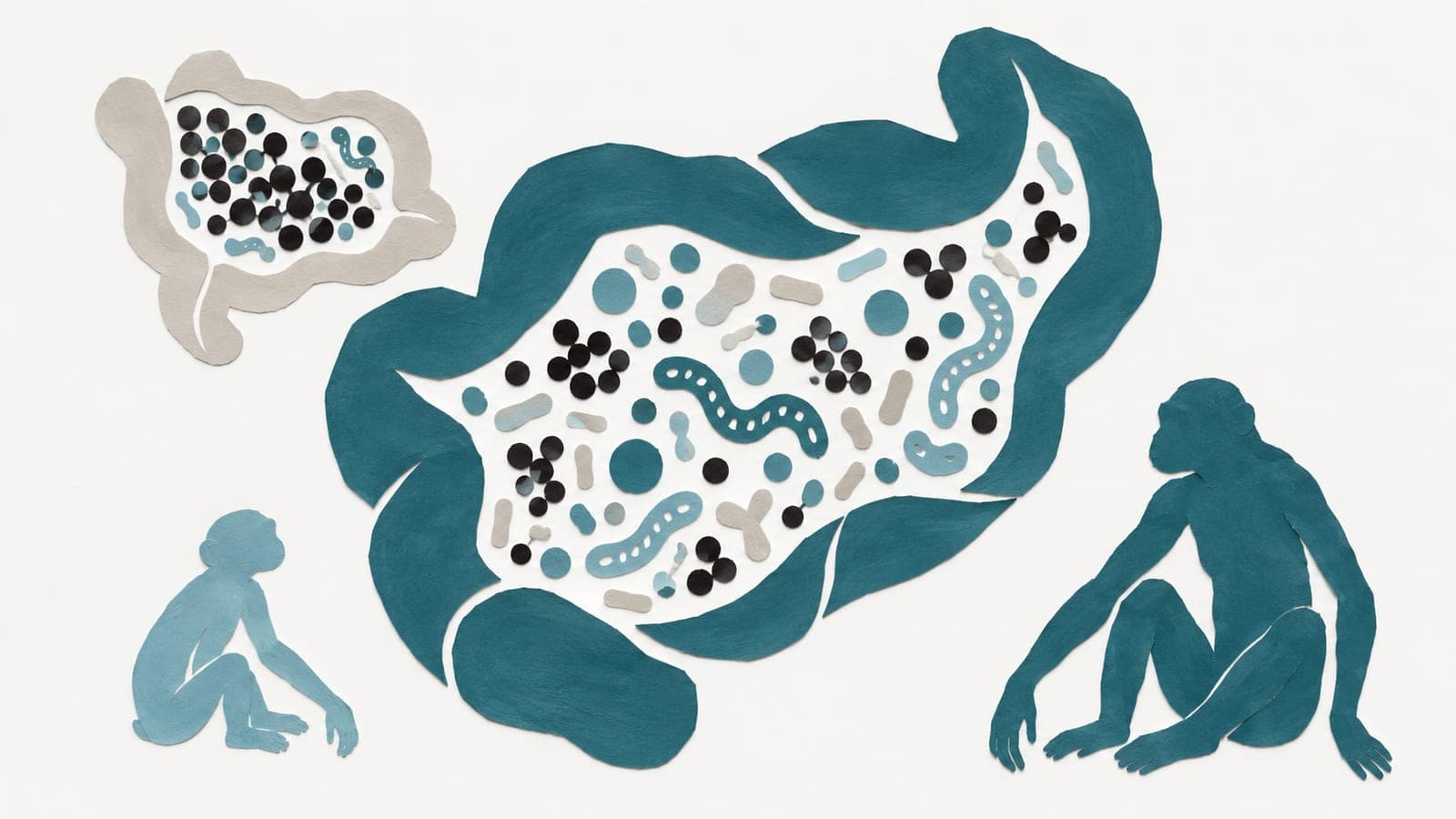
Aging profoundly influences vertebrate gut microbiota, yet lifespan patterns remain poorly characterized. Utilizing the wild-type zebrafish model, this study pioneers a longitudinal investigation of gut microbiota dynamics from adulthood (>3 months) to old age (>3 years). We identified a significant (P < 0.05) correlation between gut microbiota composition and host age. Notably, alpha-diversity was relatively stable and highest between 8-32 months, indicating this period as optimal for gut microbiota studies. The relative abundance of dominant phyla (Pseudomonadota, Actinomycetota, and Fusobacteriota) varied significantly (P < 0.05) across aging stages. Crucially, these phylum-level changes were predictable using their representative genera or amplicon sequence variants. This work delineates lifelong aging effects on gut microbiota in a vertebrate model and identifies key microbial biomarkers and an optimal sampling window.
The paper
Guangdong Academy of Medical Sciences; Southern Marine Science and Engineering Guangdong Laboratory (Zhuhai)
Current Zoology, 6 Aug 2025, Open access