Environmental cadmium drives placental senescence and fetal growth restriction via activating CLPP-dependent mitochondrial stress
Abstract
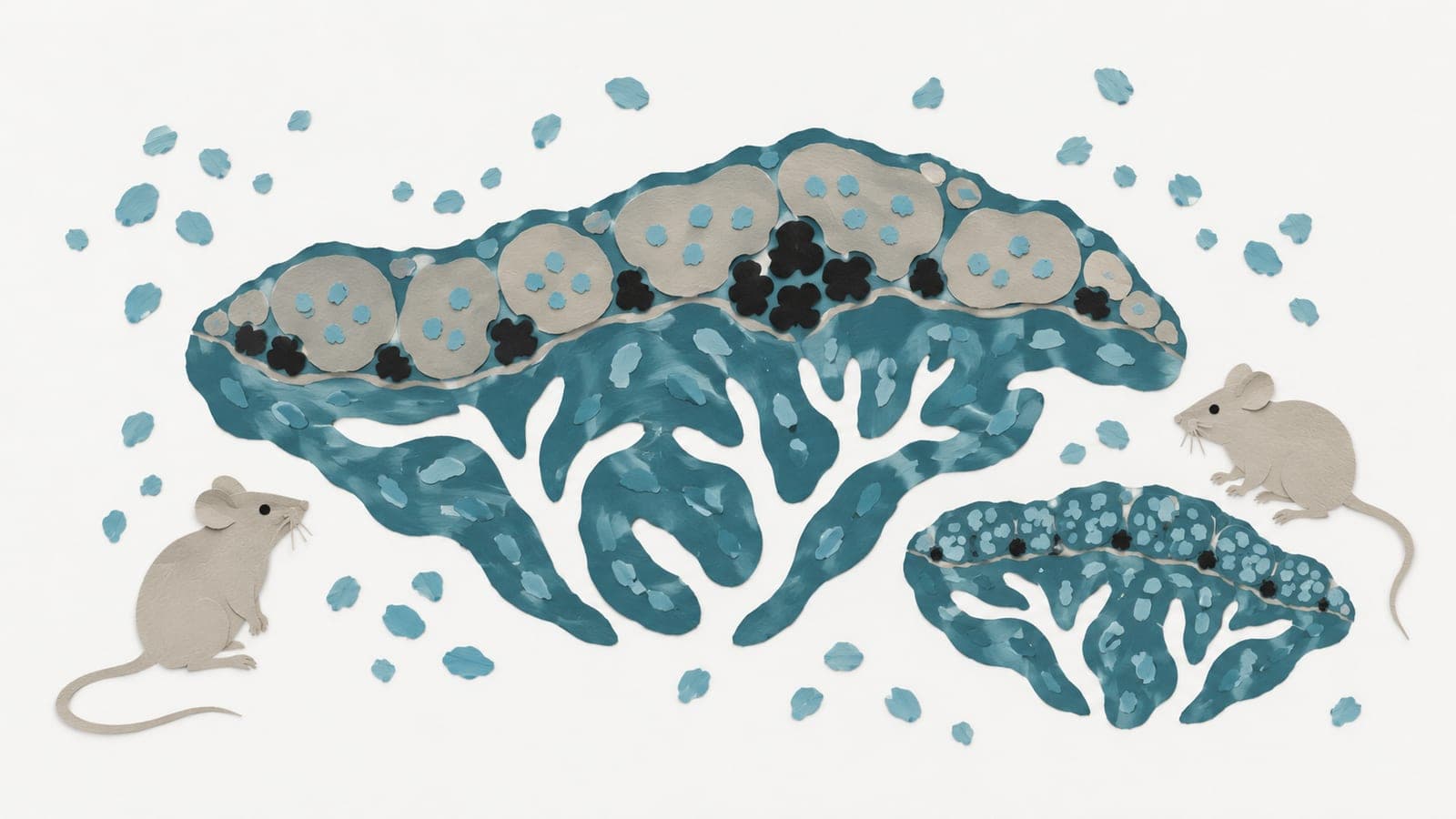
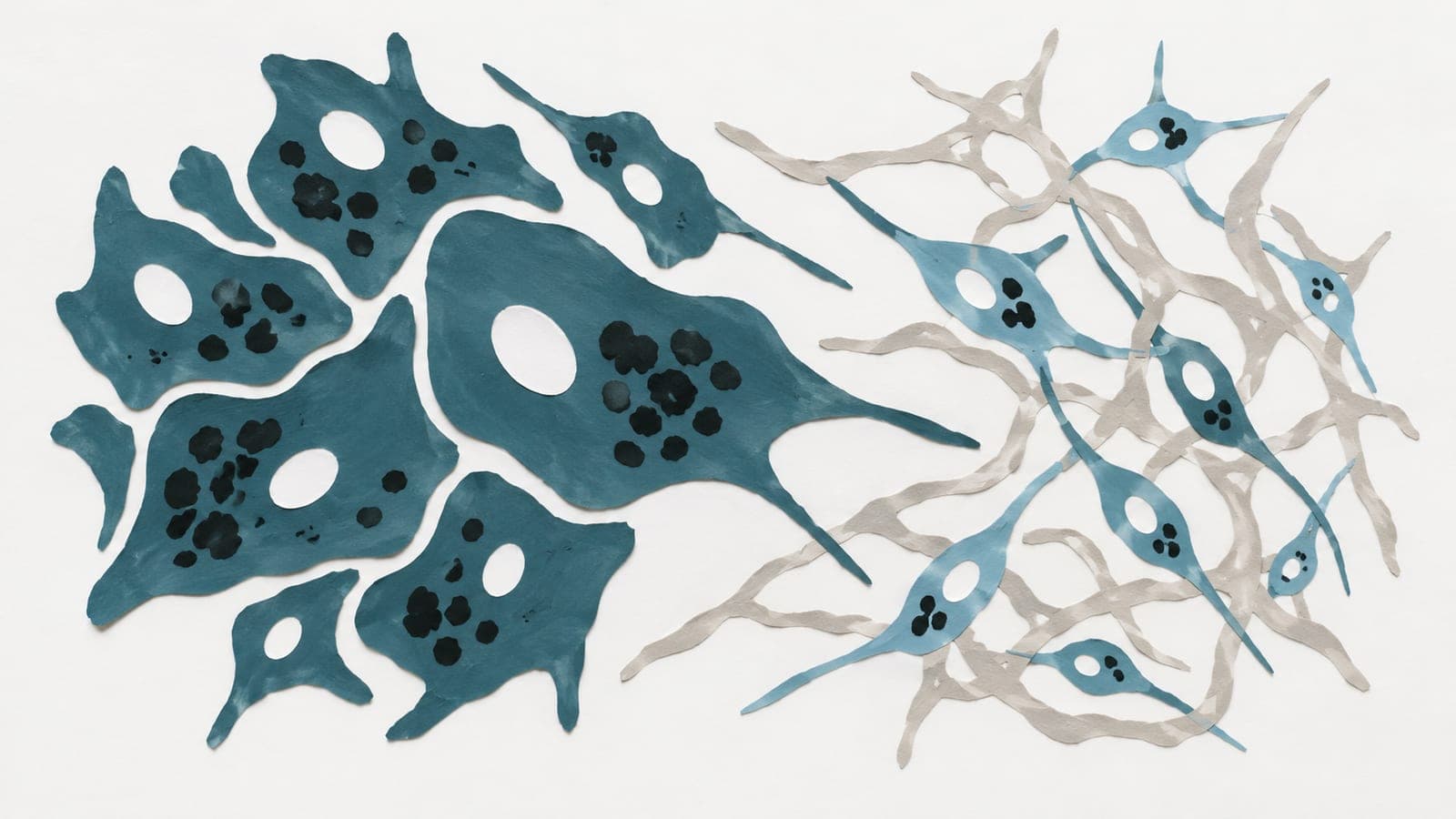
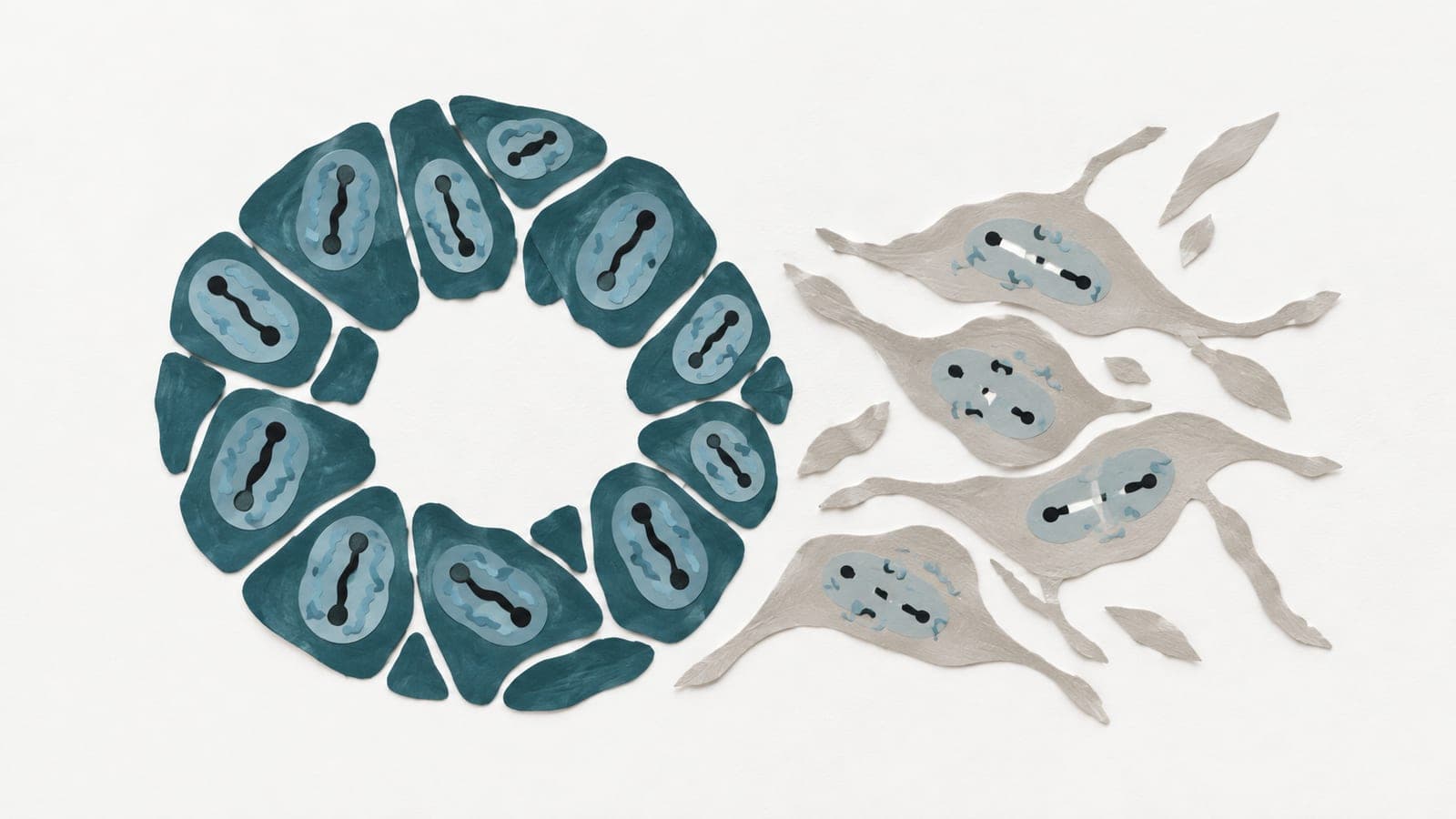
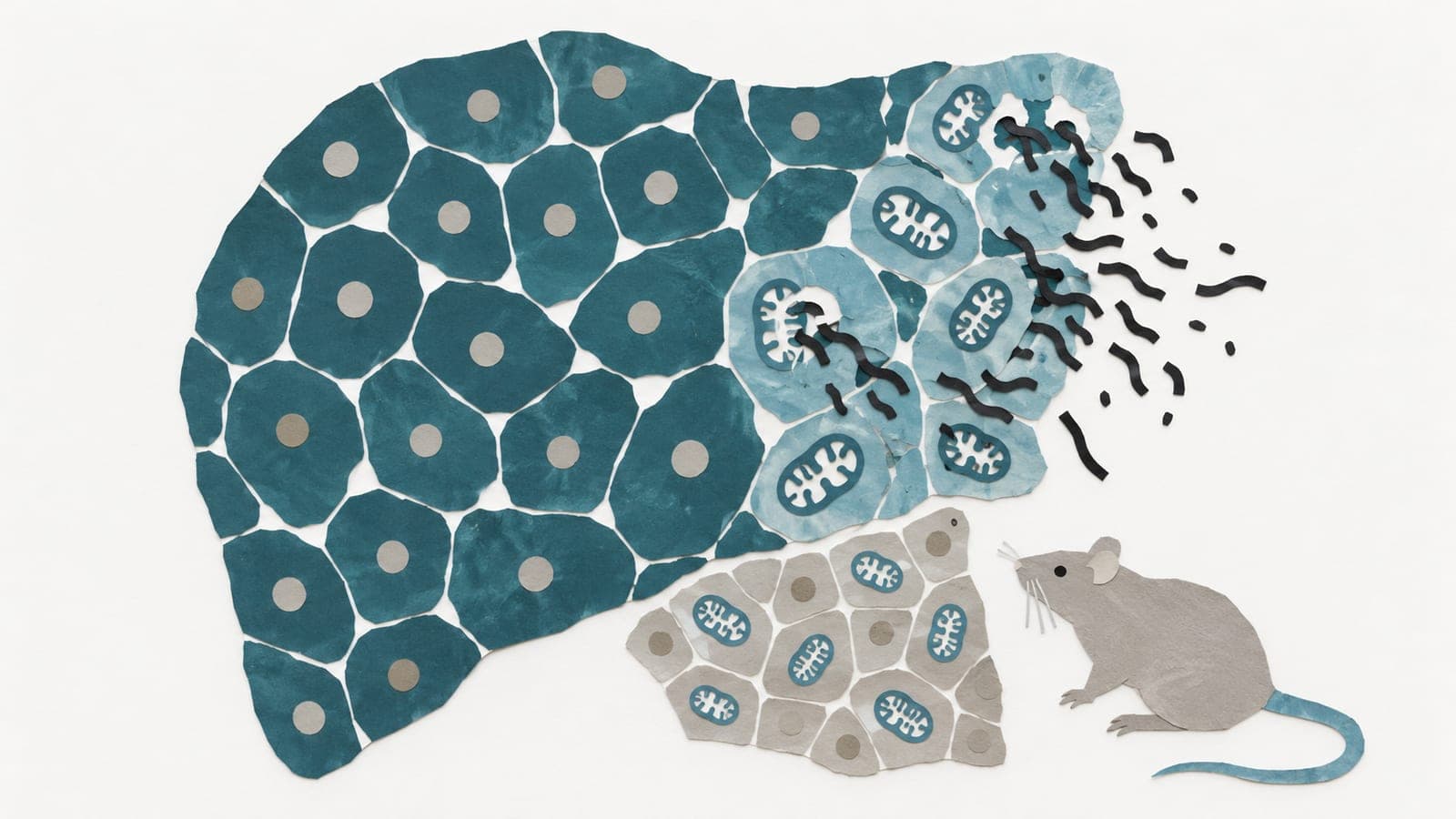
The role of placental cellular senescence in environmental cadmium (Cd)-evoked fetal growth restriction (FGR) and its underlying mechanisms require further clarification. Here, we generated a murine FGR model by simulating internal exposure doses of Cd in humans. Human and mouse studies revealed that placental senescence linked environmental Cd exposure to FGR. Furthermore, environmental Cd degraded mitochondrial anti-aging protein SIRT3 to evoke placental cellular senescence and FGR, as demonstrated by SIRT3 overexpression and its activator resveratrol treatment. Interestingly, CLPP was identified as a mitochondrial protease targeting placental SIRT3 degradation under environmental Cd. In vitro CLPP knockdown and in vivo CLPP inhibitor tamarixetin treatment reversed environmental Cd-induced SIRT3 degradation and placental cellular senescence. Additionally, environmental Cd elevated the level of METTL3 protein to promote m6A modification of ClpP mRNA in placentae. In vitro METTL3 knockdown and in vivo its inhibitor S-Adenosylhomocysteine treatment blocked the activation of CLPP-dependent mitochondrial protease stress, attenuating placental cellular senescence and FGR upon environmental Cd. Based on a human case-control study, m6A-driven CLPP-dependent mitochondrial protease stress was positively correlated with placental cellular senescence and all-cause FGR. Taken together, environmental Cd enhances m6A modification to activate CLPP-dependent mitochondrial protease stress, thereby causing placental cellular senescence and FGR.
The paper
Anhui Medical University
Journal of Hazardous Materials, 15 May 2026