Deficiency of the m⁶A reader IGF2BP2 mediates cellular senescence of chondrocytes and triggers cartilage degeneration
Abstract
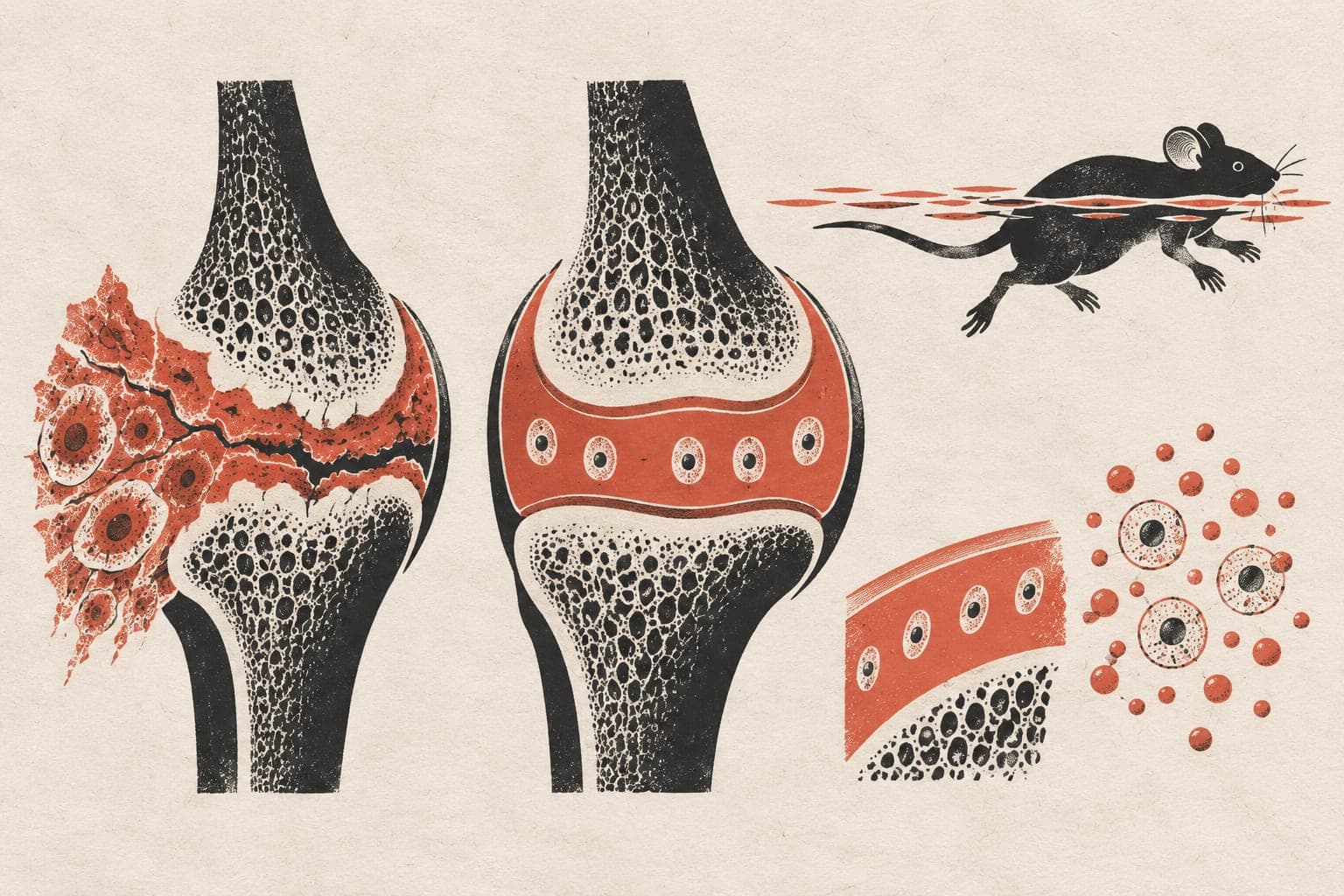
Accumulating evidence has identified N⁶-methyladenosine (m⁶A) regulation in the progression of age-related diseases. However, whether the m⁶A reader protein IGF2BP2 affects the occurrence of cartilage degeneration is still unknown. Western blotting revealed dose-dependent IGF2BP2 attenuation with increasing IL-1β concentrations in C28/I2 chondrocytes. Downregulation of IGF2BP2 caused impaired glycolysis and abnormal mitochondrial function, which ultimately resulted in senescence and disturbance of extracellular matrix homeostasis. Overexpressing HIF-1α at the cellular level in chondrocytes partially rescued mitochondrial dysfunction and senescence triggered by IGF2BP2 deficiency and thus alleviated the progression of cartilage degeneration. In vivo, chondrocyte-specific Igf2bp2-knockout mice (Col2a1-CreERT; Igf2bp2flox/flox) developed cartilage degeneration. Our study, for the first time, reveals the essential role of the m⁶A reader IGF2BP2 in the pathogenesis of cartilage degeneration through downregulation of HIF-1α and extends the potential role of the PINK1/Parkin pathway, downregulation of which leads to the onset of mitochondrial dysfunction and senescence in the progression of articular cartilage loss.
The paper
Shanghai Jiao Tong University
Cellular and Molecular Life Sciences, 13 May 2026, Open access