Thread- reinforced encapsulation devices (THRED) for therapeutic stem cell delivery
Abstract
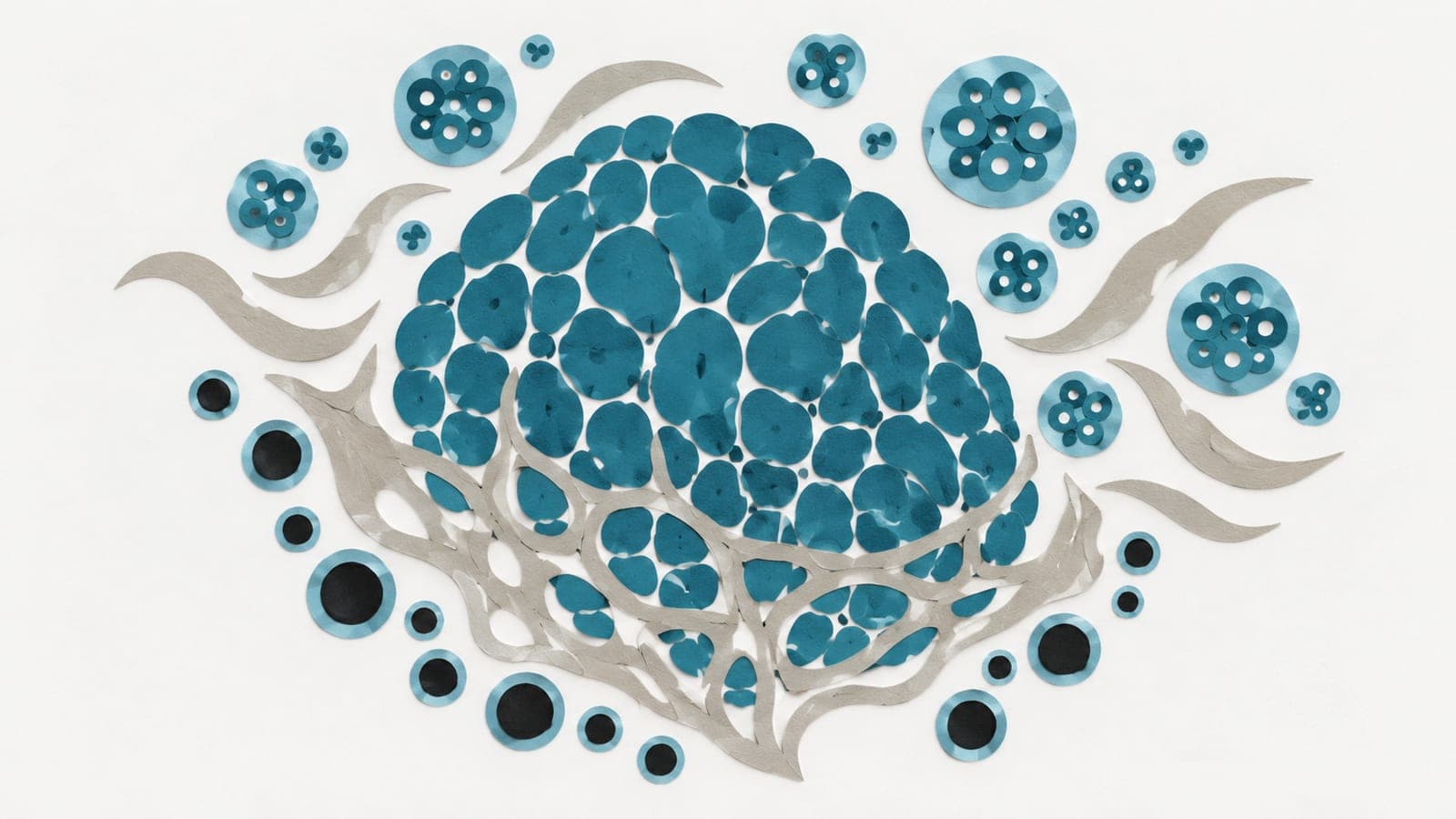
INTRODUCTION: Mesenchymal stem cells (MSCs) have been studied as potential therapeutic agents for various diseases. However, their widespread application has been limited, in part, due to the concern for tumorigenic transformation and lack of longevity in host environments secondary to immune-mediated destruction. Therefore, we set out to study an MSC encapsulation and delivery method with potential application in the treatment of intestinal ischemic diseases. METHOD: Human vertebra bone adherent mesenchymal stem cells (vBA-MSCs) were encapsulated in an alginate-derived Thread Reinforced Encapsulation Device (THRED). The encapsulated cells were then tested for viability, ability to retain cell surface markers, and ability to synthesize and release cytokines. Furthermore, a mouse ischemia-reperfusion model was used to test the therapeutic potential of encapsulated MSCs. RESULTS: vBA-MSCs were successfully packaged in the experimental cell encapsulation device. Encapsulated MSCs remained viable and functional while retaining their cell surface markers. Furthermore, encapsulated MSCs improved mouse intestinal injury scores following intestinal ischemia and reperfusion injury. DISCUSSION: The THRED is a viable option to deliver mesenchymal stem cells during therapy. Further studies are needed to elucidate the ideal number of cells and the length of time needed to deliver optimal therapy.
The paper
Indiana University Health
Journal of Pediatric Surgery, 6 May 2026