Oxidative stress causes a reversible decrease of deubiquitylases activity in old vertebrate brains
Abstract
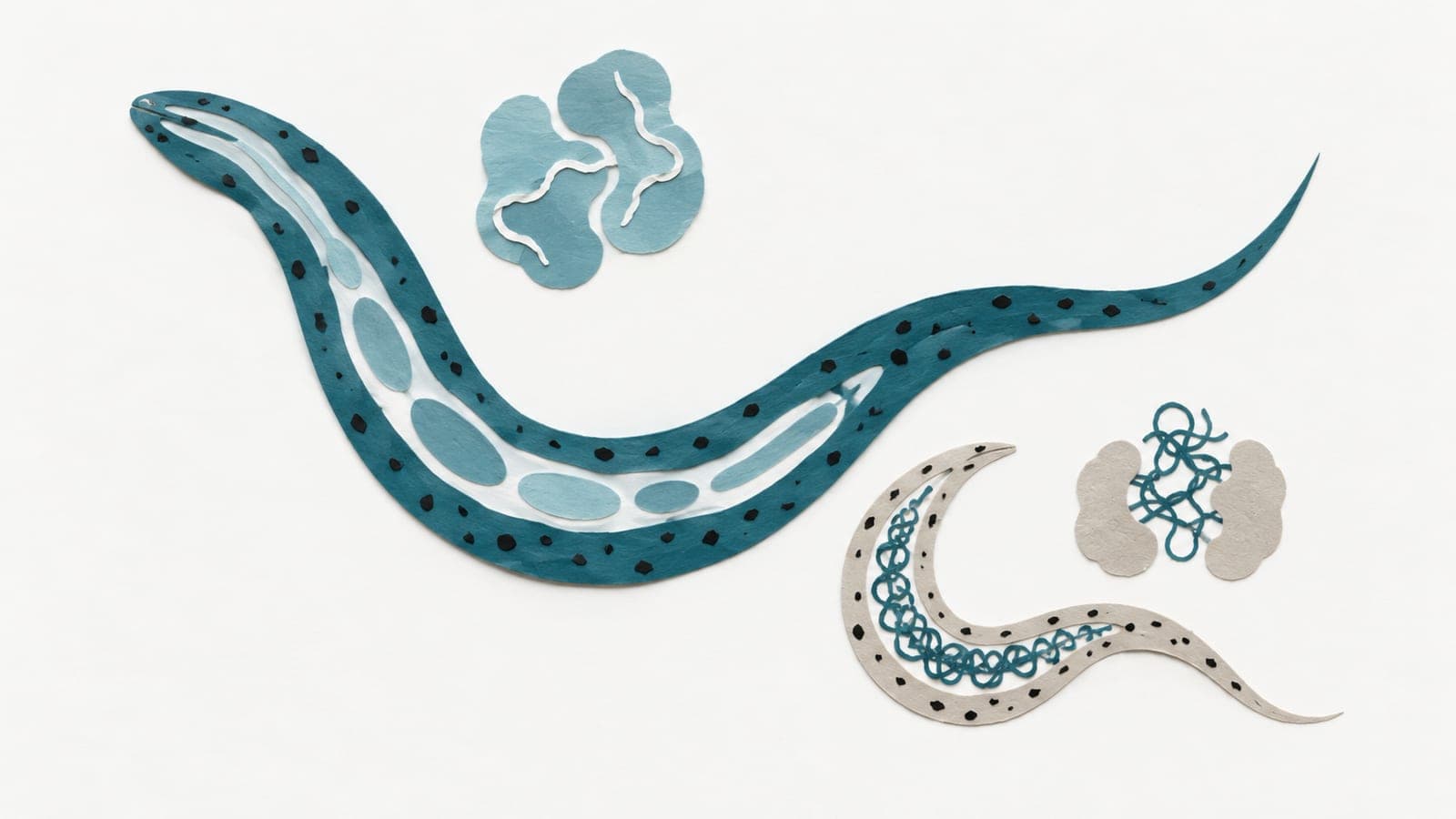
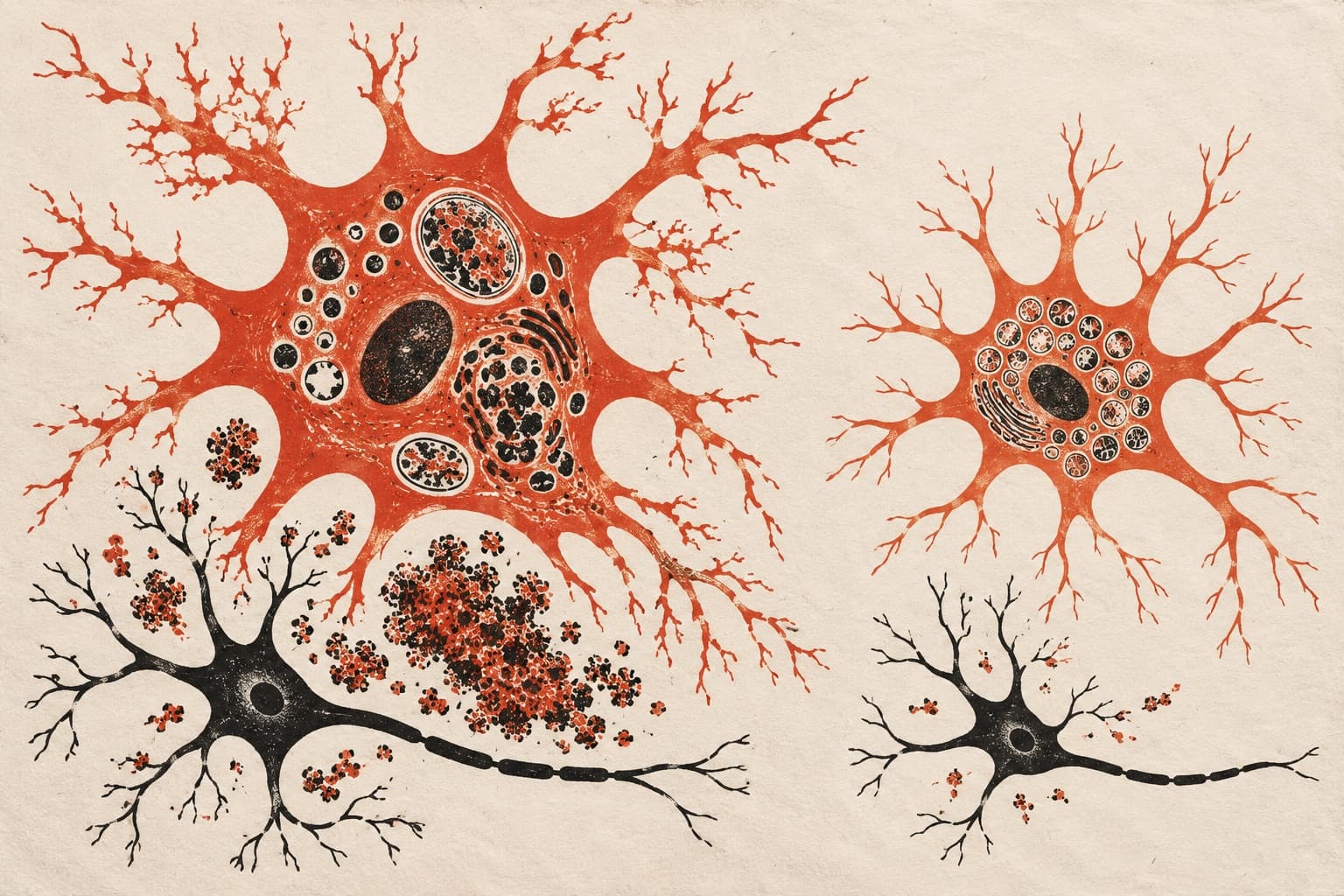
The ubiquitin-proteasome system is essential for neuronal proteostasis, yet its function declines with age. How aging affects deubiquitylating enzymes (DUBs) in the vertebrate brain remains unclear. Here we used activity-based proteomics to profile cysteine protease DUBs in aging mouse and killifish brains. We identified a subset of DUBs that progressively lose catalytic activity with age despite stable protein abundance. Mechanistically, oxidative stress impaired DUB function through thiol oxidation, whereas antioxidant treatment with N-acetylcysteine ethyl ester (NACET) restored activity in aging brains. In human iPSC-derived neurons, global DUB inhibition and targeted inhibition of USP7, one of the most strongly age-affected DUBs, partially recapitulated ubiquitylation changes observed in aged brains. Temporal analysis in mice further revealed that DUB inhibition precedes proteasome decline during brain aging. Together, these findings identify redox-sensitive DUBs that lose activity with age and suggest impaired deubiquitylation as an early, potentially reversible driver of proteostasis decline in the aging brain.
- N-acetylcysteine ethyl ester
- USP7
- Oxidative stress and ROS signalling
- Deubiquitylase catalytic activity
- Deubiquitylase protein abundance
- Killifish
The paper
University of Cologne; Genentech
Nature Communications, 21 Apr 2026, Open access