Disabling an enzyme shortened lifespan more in male flies
An experiment in Drosophila flies found changes in movement, sleep and brain structure in both sexes, with more severe movement deficits in males.
Communications Biology
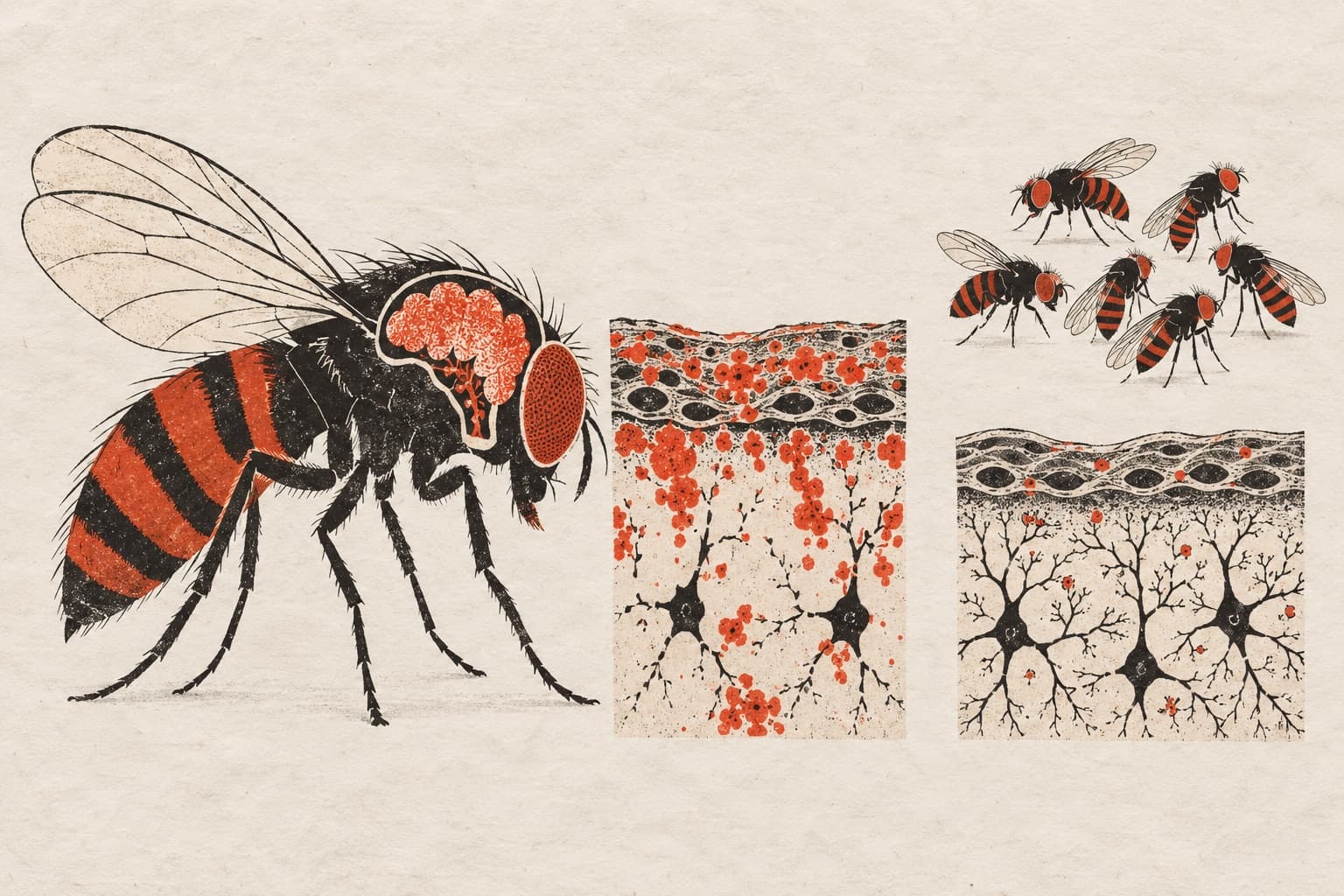
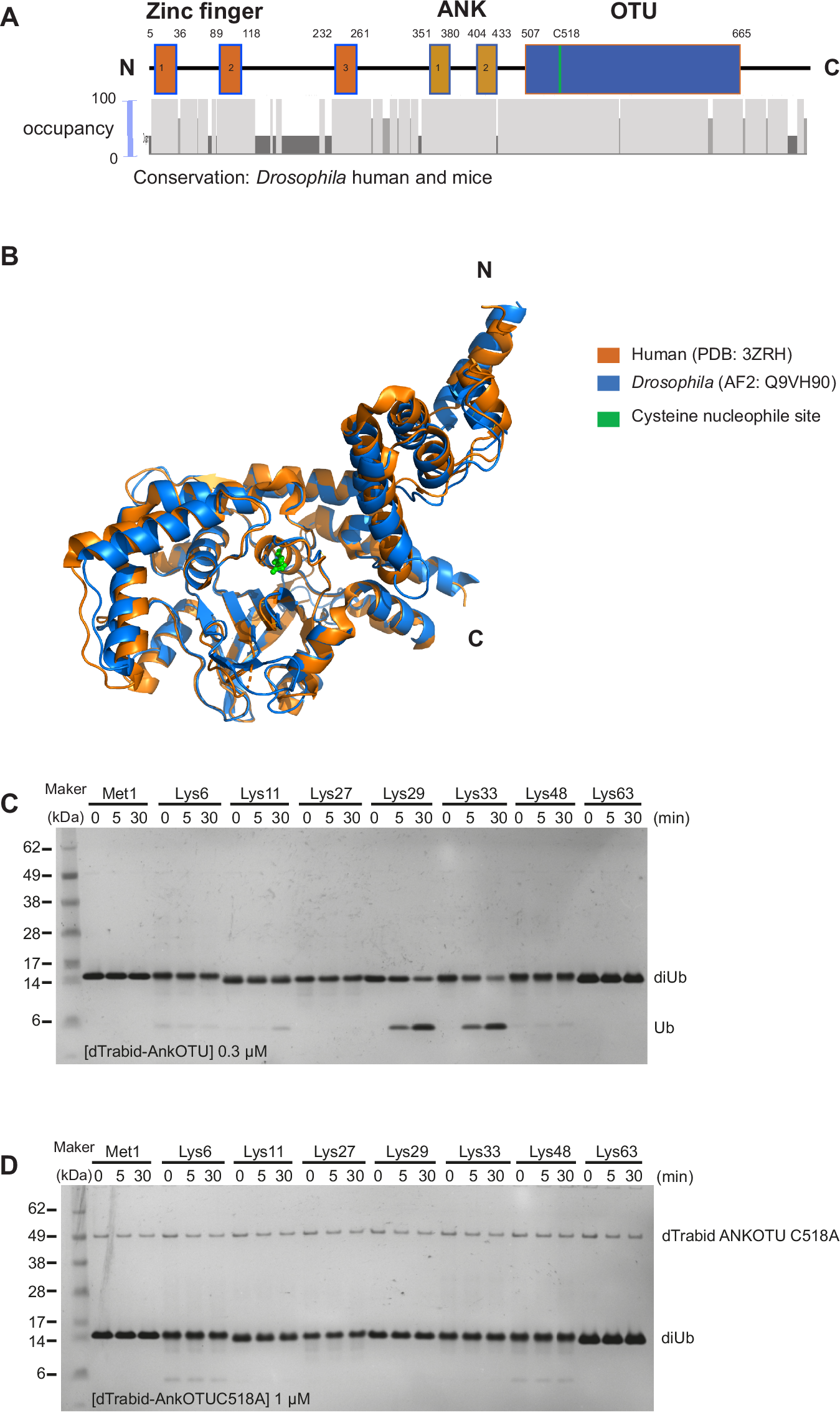
In experiments in Drosophila flies, researchers disabled the activity of Trabid, an enzyme that removes ubiquitin, a small protein tag, from other proteins. Both sexes showed changes in movement, sleep patterns, brain structure and lifespan. Movement and lifespan deficits were more severe in males.
In male flies, suppressing the activity of antimicrobial genes in glia, cells that support nerve cells, rescued movement defects and the reduction in lifespan. Analyses of brain proteins, together with laboratory tests of protein interactions, identified Hsc70-4, a stress-response protein, as protective against nerve-cell damage in female flies and a direct target of Trabid.
Why it matters
Protein build-up in brain cells is linked to Alzheimer’s and Parkinson’s disease. These experiments address how protein tagging may contribute to sex differences in vulnerability to neurodegeneration.
Caveats
These were experiments in flies, not people. Whether Trabid plays the same role in human neurodegenerative disease remains unknown.
The paper
The autosomal deubiquitylase Trabid drives sex-divergent neurodegeneration in Drosophila
Xia J, Pinto-Fernández A, Damianou A et al.
Communications Biology · 8 Oct 2026 · CC BY