Senescent Cancer-Associated Fibroblasts Drive Early-Stage Lymph Node Metastasis in Pancreatic Cancer through Lactate-Mediated Metabolic-Epigenetic Rewiring
Abstract
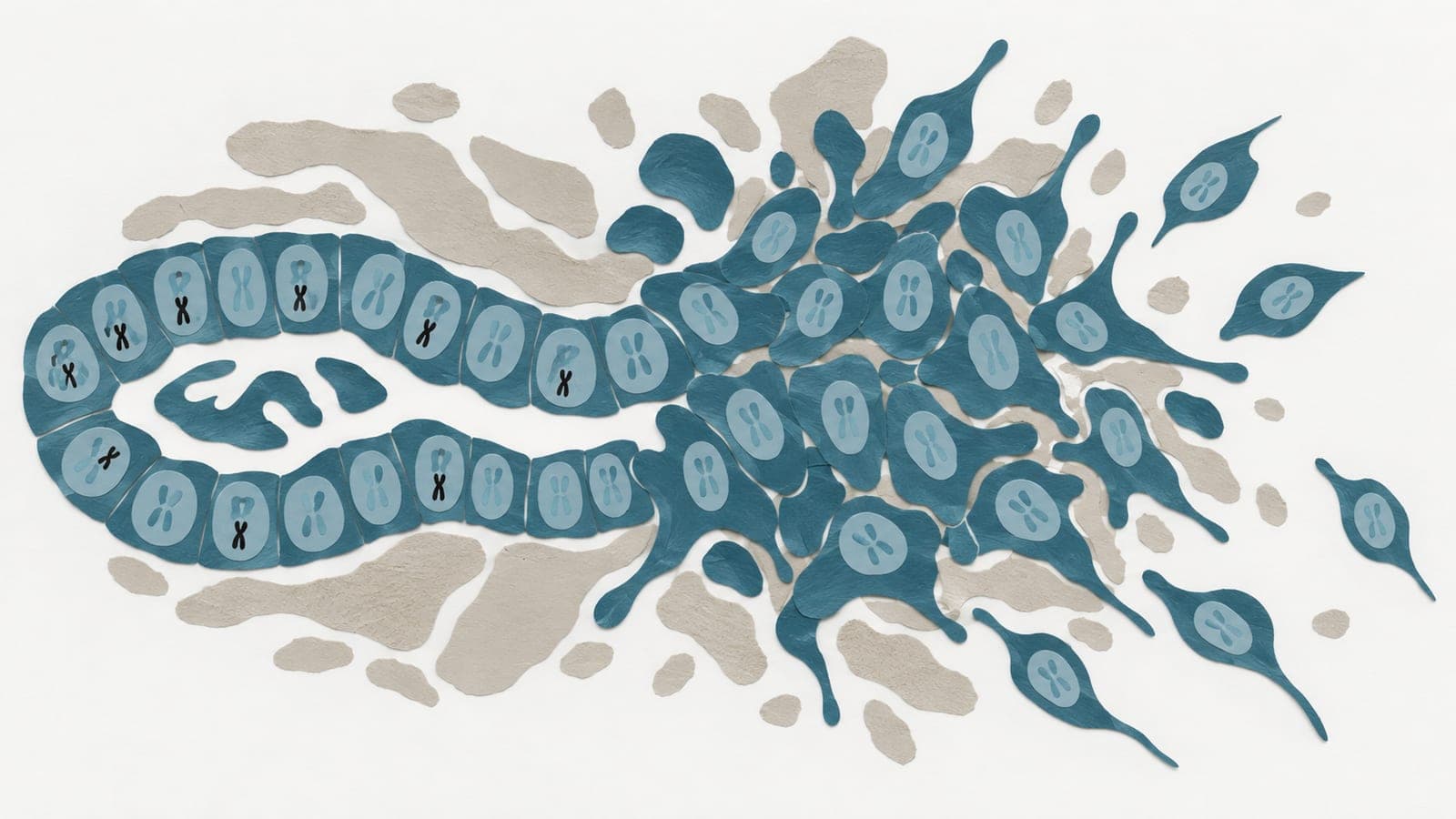
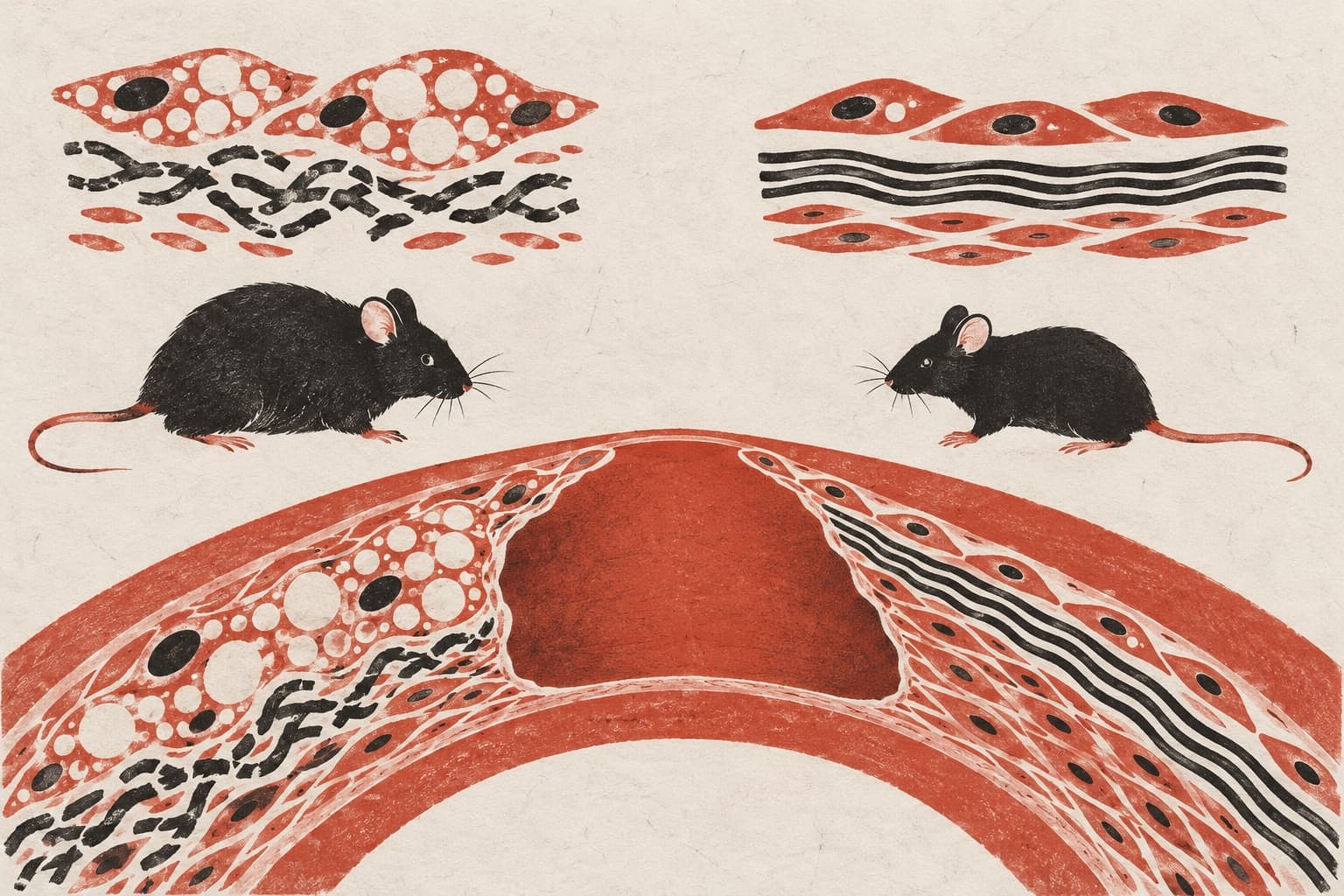
UNLABELLED: Lymph node (LN) metastasis (LNM) in early-stage pancreatic ductal adenocarcinoma (PDAC) predicts systemic dissemination and poor survival, yet its underlying mechanisms remain elusive. In this study, we demonstrated that senescent cancer-associated fibroblasts (senCAF) drive lymphatic remodeling and LNM in early-stage PDAC. Mechanistically, senCAFs increased glucose metabolism and lactate production, which activated lactylation-mediated serine metabolism to protect lymphatic endothelial cells from oxidative stress. Moreover, we discovered CCR4+ regulatory T cells from the draining LNs accumulated around lymphatic vessels, which established an immunosuppressive perilymphatic niche. High-throughput drug screening determined selective clearance of senCAFs via chidamide, attenuated tumor progression, and improved chemoimmunotherapeutic efficacy. We subsequently initiated a clinical trial (chidamide and nab-paclitaxel/gemcitabine plus anti-PD-1/CTLA-4) in patients with metastatic PDAC and reported its preliminary promising results. Collectively, these findings reveal a closed link between cellular senescence and PDAC metastasis, offering the potential senolytic means to improve chemoimmunotherapy efficacy. SIGNIFICANCE: Our findings have revealed a closed link between cellular senescence, metabolic reprograming, and spatial immunosuppressive niche and PDAC metastasis, offering the potential senolytic drugs to improve chemoimmunotherapy efficacy in patients with PDAC.
The paper
Tianjin Medical University Cancer Institute and Hospital
Cancer Discovery, 27 Mar 2026